Vitamin B12 Deficiency & Forms: Methyl vs Cyano

Article

Vitamin B12 Deficiency & Forms: Methyl vs Cyano

3 min read

Quick answer

Vitamin B12 (cobalamin) supports red blood cells, nerves, and energy metabolism. Deficiency can look like fatigue, brain fog, tingling, or anemia—but those symptoms have many causes. Lab testing beats guessing. Supplement forms differ; the “best” one depends on diet, absorption, and clinician preference.

  • Cyanocobalamin — common, stable, well studied; body converts it to active forms.
  • Methylcobalamin — already a bioactive form; popular in “active B12” formulas.
  • Adenosylcobalamin / hydroxocobalamin — other options you may see on labels or in clinics.

Who is more likely to run low

  • Strict vegans/vegetarians without fortified foods or supplements.
  • Adults with low stomach acid, pernicious anemia, or GI surgery history.
  • People on long-term metformin or certain acid-reducing drugs (ask your clinician).
  • Older adults with reduced intrinsic-factor-related absorption.

Full AP page: Vitamin B12 benefits, dosage & deficiency guide.

Forms compared (practical)

  • Cyanocobalamin — inexpensive, stable tablets/lozenges; fine for many people with normal conversion.
  • Methylcobalamin — often chosen for sublingual products; evidence that it is universally “superior” is not as clear as marketing claims.
  • For true malabsorption, clinicians may use injections or high-dose protocols—do not self-prescribe that path.

Dose reality check

Labels often show hundreds to thousands of micrograms because absorption from oral B12 is limited. That does not mean you should stack every B-complex on the shelf. Confirm deficiency risk with a professional when symptoms are significant.

Smart neighbors on Freexamine

B12 conversations often sit next to folic acid / folate, vitamin B6, and omega-3 fish oil for brain and nerve support angles. See also omega-3 + B12 together.

Safety

  • B12 is water-soluble and generally well tolerated at common supplemental doses.
  • Correcting deficiency can unmask or interact with other issues—follow lab-guided care if anemic.
  • This article does not diagnose deficiency.

FAQ

Is methylcobalamin always better?
Not always. Many people do well on cyanocobalamin; choose based on tolerance, cost, and medical advice.

How fast will I feel better?
If B12 was truly low, energy and labs may improve over weeks—not overnight.

Food or supplement first?
Omnivores often cover needs with food; plant-based eaters usually need a reliable fortified or supplemental source.
Educational content only—not medical advice. Seek clinical testing and guidance for suspected B12 deficiency, neuropathy, or anemia.
Editor's pick
#Sponsored
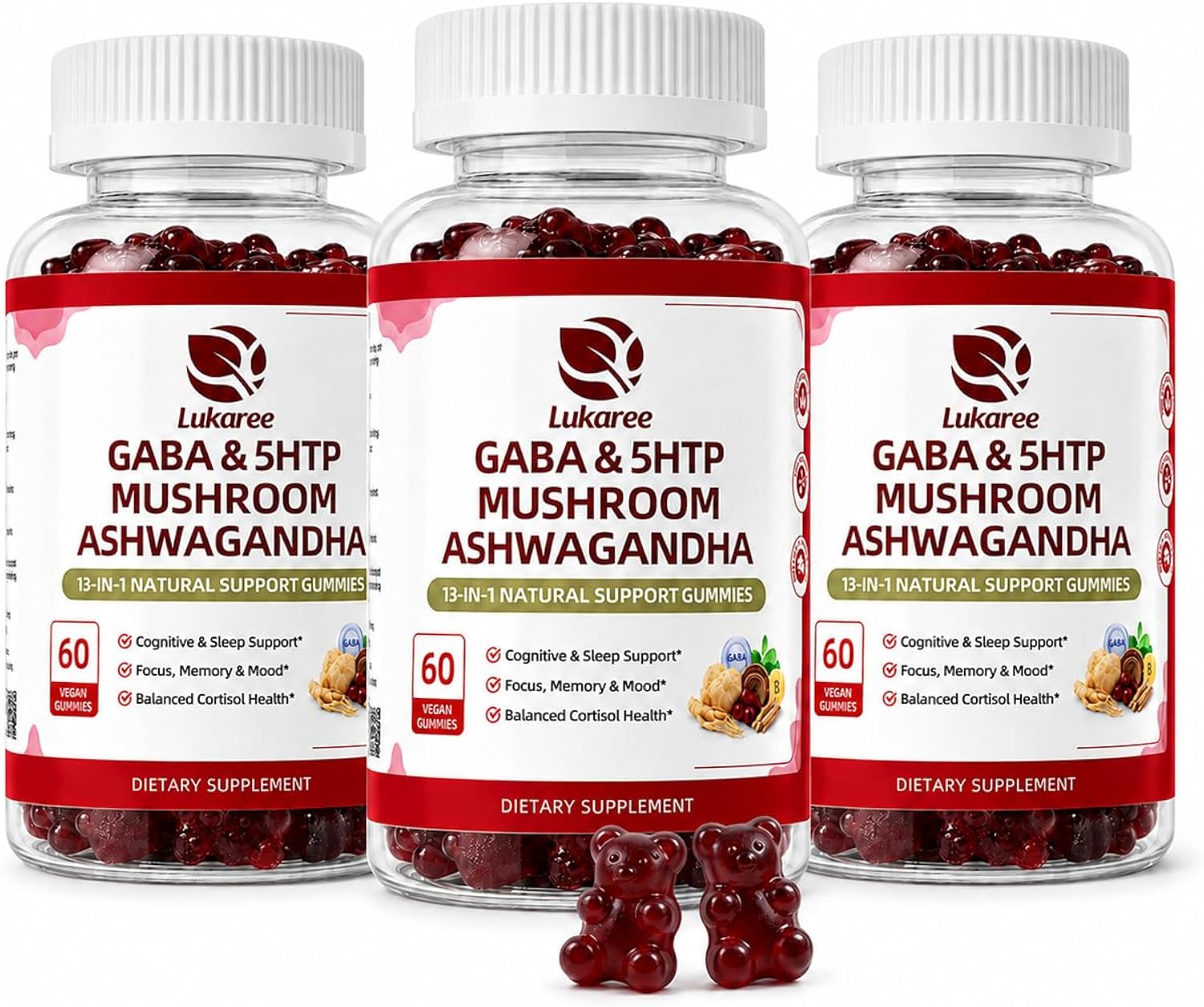
Lukaree GABA Gummies

Lukaree GABA Gummies

GABA gummies for calm — check price on Amazon.

GABA
Check price on Amazon

Lukaree GABA Gummies

Check price on Amazon

Continue Reading

Explore more content on similar topics

5-HTP vs Melatonin: Which Helps Sleep and Mood?

Read more...

Chromium Picolinate for Blood Sugar: Dose & What to Expect

Read more...

Astaxanthin Antioxidant Guide: Skin, Eyes & Dose

Read more...

Berberine Blood Sugar Stack: What to Pair (and Skip)

Read more...

Matcha vs L-Theanine: Calm Focus Without the Jitters?

Read more...

Selenium for Thyroid: Dose, Food Sources & Safety

Read more...

Olive Leaf Extract for Immune Support: Oleuropein Basics

Read more...

Quercetin for Allergy & Immune Season: Practical Guide

Read more...

St. John's Wort for Mood: Benefits, Interactions & Cautions

Read more...

Rhodiola for Stress & Fatigue: Adaptogen Guide

Read more...

Ginger for Nausea & Digestion: Practical Guide

Read more...

Lion's Mane for Focus & Cognition: Practical Guide

Read more...

Tongkat Ali for Vitality: Careful Evidence Guide

Read more...

Creatine for Strength & Performance: Practical Guide

Read more...

CoQ10 for Heart Energy: Practical Evidence Guide

Read more...

Magnesium Forms for Sleep & Stress: Practical Guide

Read more...

Biotin for Hair & Nails: Evidence-Minded Guide

Read more...

Omega-3 EPA/DHA for Heart & Brain: Practical Guide

Read more...

Vitamin D Deficiency & Forms: D3, D2 & Labs Guide

Read more...

NMN Longevity Guide: NAD+, Dose & What Evidence Says

Read more...

Folate & MTHFR Guide: Folic Acid vs Methylfolate

Read more...

Elderberry for Immune Season: Syrup, Dose & Realistic Expectations

Read more...

Milk Thistle for Liver Support: Silymarin Dose & Limits

Read more...

Cayenne & Capsaicin Guide: Metabolism, Heat & Dose

Read more...

Hyaluronic Acid Guide: Oral vs Topical for Skin & Joints

Read more...

NAC Guide: Glutathione, Respiratory Comfort & Liver Support

Read more...

Valerian Guide: Sleep, Calm & How It Compares to Magnesium

Read more...

Saffron Guide: Mood Extract Dose, Timing & What to Expect

Read more...

Iodine Guide: Thyroid Hormone, Dose Caution & Kelp Pitfalls

Read more...

Berberine HCL Dosing for Glucose Metabolism

Read more...

Resveratrol Stacks: Polyphenols, Dose & Longevity Limits

Read more...

Cordyceps militaris for Energy and Endurance

Read more...

Glutathione vs NAC: Liposomal, Oral, and What to Skip

Read more...

Beta-Glucan for Immune Support: Dose and What It Is Not

Read more...

Amla Vitamin C: Berry vs Ascorbic Acid Pill

Read more...

Cranberry vs D-Mannose for Urinary Comfort

Read more...

Disclaimer: Some links on this site are affiliate links. As an Amazon Associate, qualifying purchases may earn us a commission. This content is for informational purposes only and is not medical advice.

Vitamin B12 Deficiency & Forms: Methyl vs Cyano