
Folic acid is a synthetic form of folate, a B vitamin naturally found in foods. It plays a crucial role in the body's ability to produce and maintain healthy cells, particularly during periods of rapid growth.
Folic acid is essential for cell division and DNA synthesis, processes vital for overall health. It supports the production of red blood cells, helping prevent anemia. Adequate intake is especially critical before and during pregnancy to support fetal development.
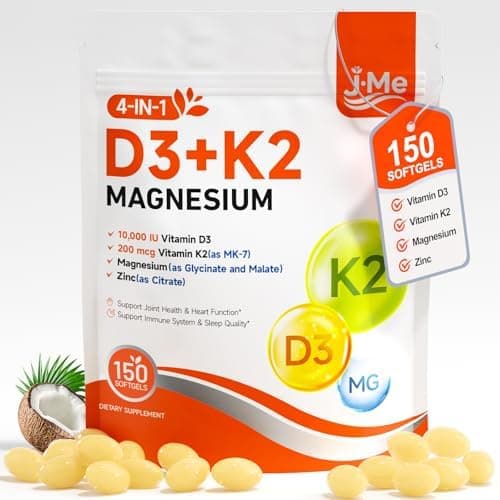
Vitamin D3 + K2 MK-7 with Magnesium — Bone & Immunity
High-potency D3 paired with K2 and magnesium for absorption you can feel.
Vitamin D3 + K2 MK-7 with Magnesium — Bone &…
Check price on AmazonFor pregnant women, folic acid is most beneficial for preventing neural tube defects in the developing baby. These defects affect the brain and spine, such as spina bifida and anencephaly. Taking folic acid supplements before conception and in early pregnancy significantly reduces this risk.
Other important benefits include supporting heart health by helping regulate homocysteine levels, a compound linked to cardiovascular issues. It also contributes to healthy skin, hair, and nail growth, and may aid in reducing the risk of certain cancers when combined with a balanced diet rich in natural folate.
Natural dietary sources include leafy green vegetables, legumes, citrus fruits, and fortified grains. However, many people require supplements to meet daily needs, especially during pregnancy, adolescence, or for individuals with certain health conditions. Regular intake helps maintain optimal folate levels for sustained well-being.
Effectiveness and Risk Overview
Condition | Effectiveness | Details |
|---|---|---|
| Megaloblastic Anemia | Folic acid is effective in treating megaloblastic anemia caused by folate deficiency, supported by clinical evidence and a well-understood pathophysiology. | |
| Folate Deficiency | Folic acid supplementation is used to treat and prevent folate deficiency, with strong evidence from clinical trials and a clear mechanism of action. | |
| Depression | Some studies suggest that folic acid supplementation may have a beneficial effect on depression, particularly when used adjunctively with antidepressants, though evidence is not uniform. | |
| Anemia or Iron Deficiency | While primarily used for folate deficiency, folic acid may also be beneficial in cases of anemia, especially when there's a co-existing folate deficiency, though its effect on iron deficiency anemia is less direct. | |
| Cognitive Function | Folic acid may have a positive effect on cognitive function, particularly in individuals with folate deficiency or hyperhomocysteinemia, but the evidence is mixed and more research is needed. |
See product on Amazon →#Sponsored