
Combination guide
Can you take Alpha Linolenic Acid and Folic acid together?
Clear guide to benefits, risks, and synergy when combining Alpha Linolenic Acid and Folic acid.
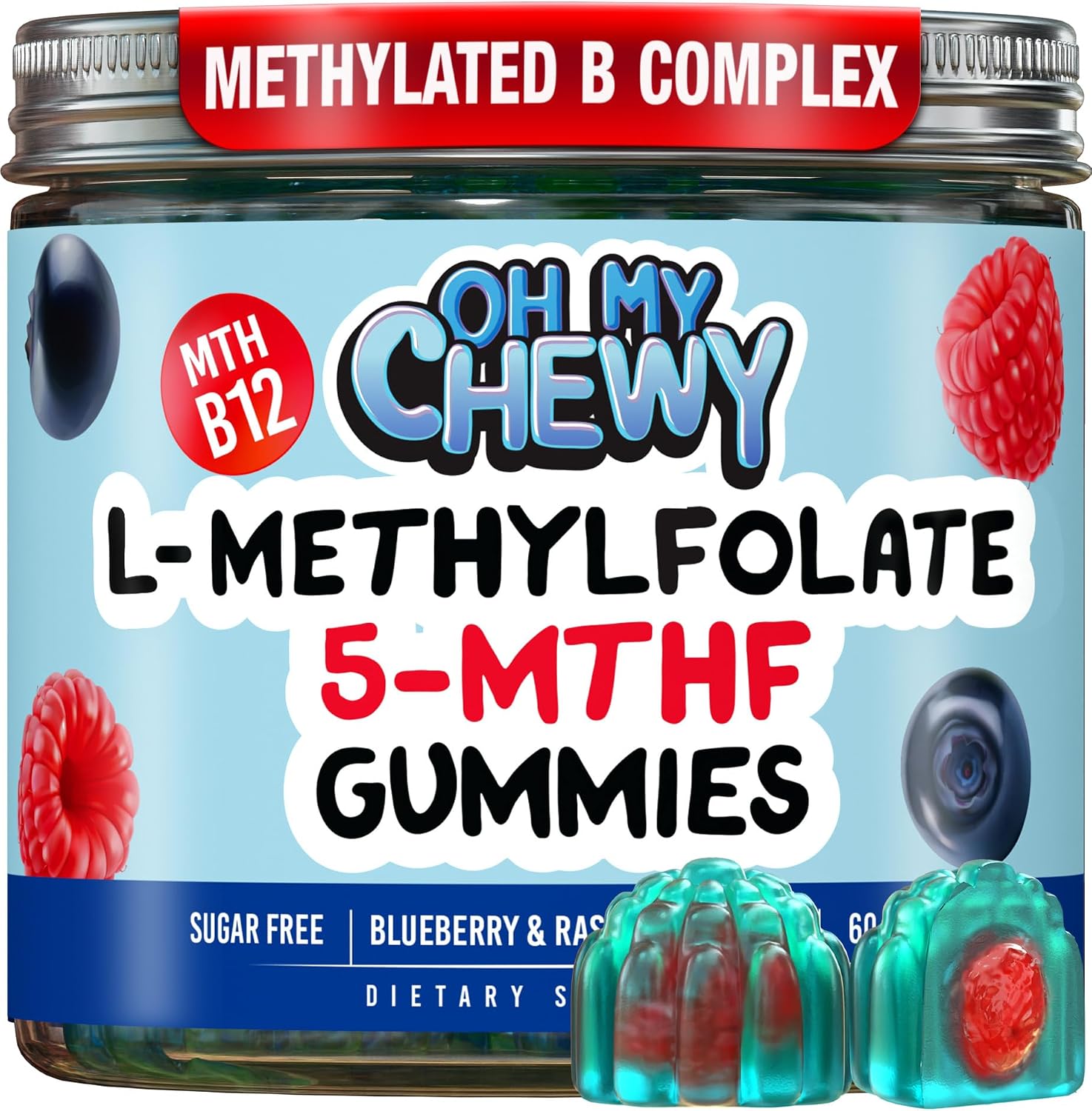
Oh My Chewy Center-Filled 5-MTHF Folate Gummies — Sugar-Free L-Methylfolate
Sugar-free 5-MTHF (L-methylfolate) gummies with methylated B1, B6 and B12 — check price on Amazon.
Oh My Chewy Center-Filled 5-MTHF Folate Gummi…
Check price on AmazonTaking Alpha Linolenic Acid and Folic acid together offers a safe and logical combination for supporting overall health, as they address distinct bodily needs without any known negative interactions. Alpha Linolenic Acid delivers plant-based omega-3 benefits for heart and inflammation control, while Folic acid bolsters DNA production and blood cell formation. Their separate metabolic paths ensure smooth coexistence, suggesting a rating of 3 out of 5.
The Combined Strategy
By combining Alpha Linolenic Acid and Folic acid, you create a well-rounded wellness plan that tackles inflammation and cellular health from multiple angles. Alpha Linolenic Acid steps in to nourish cell membranes and curb chronic inflammation, essential for heart and brain function in everyday life. Folic acid complements this by fueling DNA synthesis and red blood cell production, preventing fatigue and supporting energy during active routines. Together, they form a dual-action foundation for long-term vitality without redundancy.
Body Compatibility
Alpha Linolenic Acid enters the body as a fatty acid, broken down by bile salts in the small intestine before entering the lymphatic system and bloodstream for fat tissue storage. Folic acid, water-soluble, gets absorbed quickly in the upper small intestine via specific transporters and heads straight to the liver for activation. These parallel routes avoid competition for digestive enzymes or carriers, so your body processes both efficiently during meals. This separation minimizes any metabolic overload, ensuring reliable delivery to cells.
How They Interact
Alpha Linolenic Acid works mainly by integrating into cell membranes and converting to anti-inflammatory compounds like EPA and DHA. Folic acid operates in the methylation cycle, donating carbon units for DNA and neurotransmitter synthesis. Their actions stay in different biological lanes—lipid metabolism versus one-carbon transfers—with no evidence of pathway crossover or inhibition. This independence allows them to enhance health markers simultaneously, like better homocysteine control indirectly from both.
Disclaimer: Some links on this site are affiliate links. As an Amazon Associate, qualifying purchases may earn us a commission. This content is for informational purposes only and is not medical advice.