
Combination guide
Can you take Alpha-Galactosidase and Folic acid together?
Clear guide to benefits, risks, and synergy when combining Alpha-Galactosidase and Folic acid.
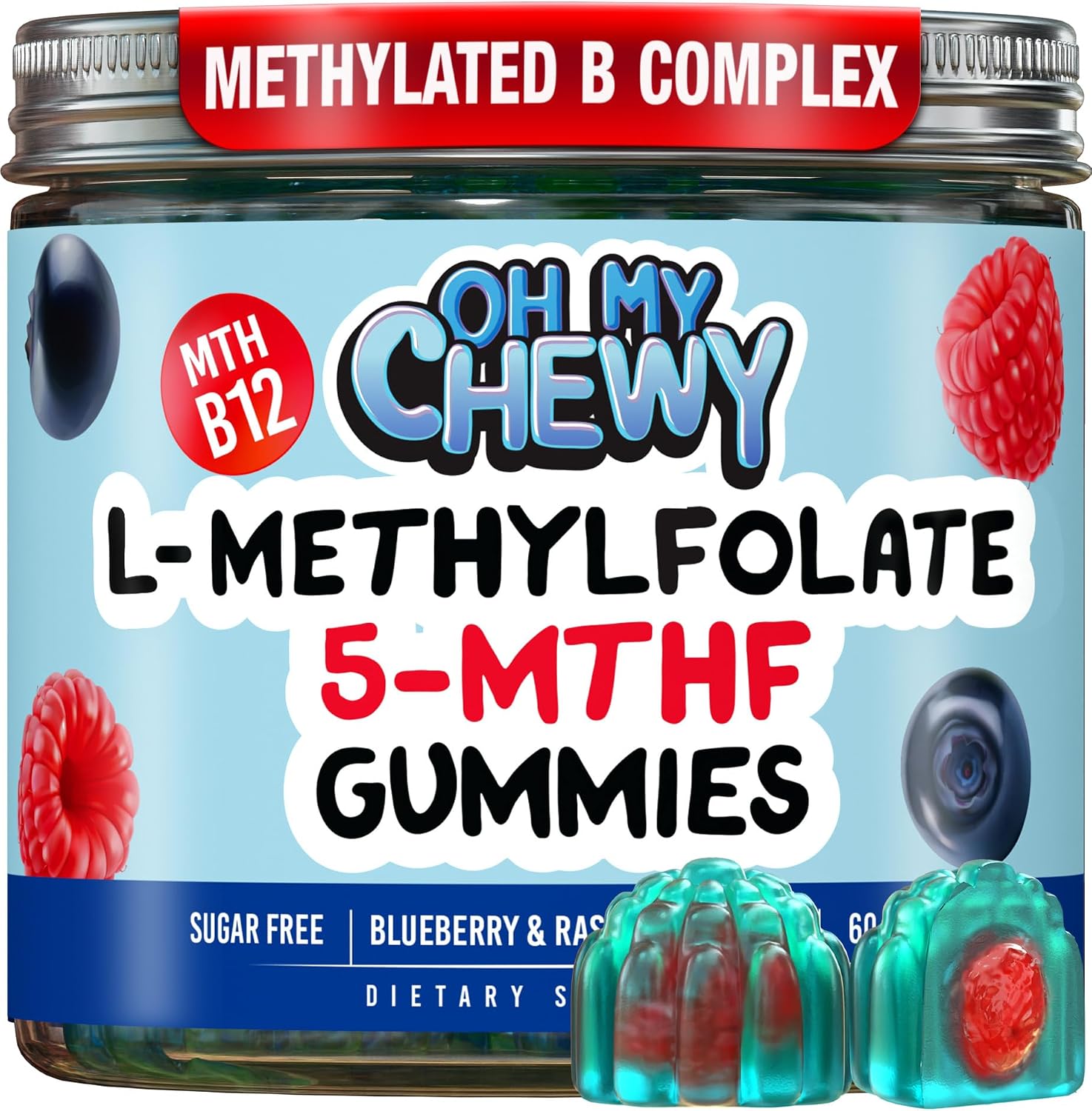
Oh My Chewy Center-Filled 5-MTHF Folate Gummies — Sugar-Free L-Methylfolate
Sugar-free 5-MTHF (L-methylfolate) gummies with methylated B1, B6 and B12 — check price on Amazon.
Oh My Chewy Center-Filled 5-MTHF Folate Gummi…
Check price on AmazonTaking Alpha-Galactosidase and Folic acid together offers a safe, complementary pairing for digestive ease and nutritional support without any known conflicts. Alpha-Galactosidase breaks down gas-causing carbs in foods like beans, reducing bloating, while Folic acid fuels cell growth and red blood cell production for heart and brain health. Their separate roles mean no interference, making them a logical duo in daily routines, suggesting a rating of 3 out of 5.
The Combined Strategy
Pairing Alpha-Galactosidase with Folic acid creates a smart, dual-action approach to wellness by addressing gut discomfort and foundational cell health at the same time. Alpha-Galactosidase tackles immediate issues like bloating from high-fiber meals, letting you enjoy legumes without worry. Meanwhile, Folic acid ensures your body has the building blocks for DNA repair and energy production. This combination supports both short-term comfort and long-term vitality, fitting seamlessly into balanced eating habits.
Body Compatibility
Your digestive system processes these supplements along distinct paths, ensuring smooth handling without bottlenecks. Alpha-Galactosidase activates in the small intestine, where it snips apart complex sugars before they ferment further down. Folic acid absorbs rapidly through transporters in the upper gut and enters the bloodstream for distribution to tissues. Because one stays mostly in the digestive tract and the other circulates freely, they avoid competing for resources or causing metabolic slowdowns.
How They Interact
Alpha-Galactosidase functions as a digestive enzyme, specifically cleaving alpha-1,6 bonds in oligosaccharides to prevent gas formation. Folic acid, converted to tetrahydrofolate, drives one-carbon transfers essential for nucleotide synthesis and methylation. These mechanisms target entirely different biological processes—one local to carb breakdown, the other systemic for cellular metabolism. With no shared pathways or receptors, they operate independently, allowing full effectiveness from each without mutual disruption.
Disclaimer: Some links on this site are affiliate links. As an Amazon Associate, qualifying purchases may earn us a commission. This content is for informational purposes only and is not medical advice.