How targeted nutrients and therapies can support your body's natural recovery process after exercise
Muscle soreness—especially Delayed Onset Muscle Soreness (DOMS)—is that familiar stiffness and tenderness that appears 24-72 hours after intense or unfamiliar exercise. While it's a natural sign of muscle adaptation, persistent soreness can disrupt daily life and training consistency. Fortunately, several evidence-based approaches can help your body recover more efficiently. Let's explore the most effective options.
Key Players in Muscle Recovery
Beta-Hydroxy Beta-Methylbutyrate (HMB)
HMB is a metabolite of the amino acid leucine. It works by:
- Reducing muscle protein breakdown during intense training
- Modulating inflammation pathways that contribute to soreness
- Supporting muscle repair mechanisms
Why it helps: By preserving muscle tissue and calming exercise-induced inflammation, HMB can significantly decrease DOMS severity and accelerate recovery time. Typical dose: 3g daily.
Note: Generally well-tolerated. Consult your doctor if taking statins or immunosuppressants.
Citrulline
This amino acid boosts nitric oxide production, which:
- Enhances blood flow to fatigued muscles
- Improves delivery of oxygen and nutrients
- Facilitates removal of metabolic waste products
Why it helps: Improved circulation means faster clearance of inflammation triggers (like lactate and cytokines) that cause soreness. Works best when taken consistently. Typical dose: 6-8g pre-workout or daily.
Note: May interact with blood pressure medications. Avoid if taking nitrates.
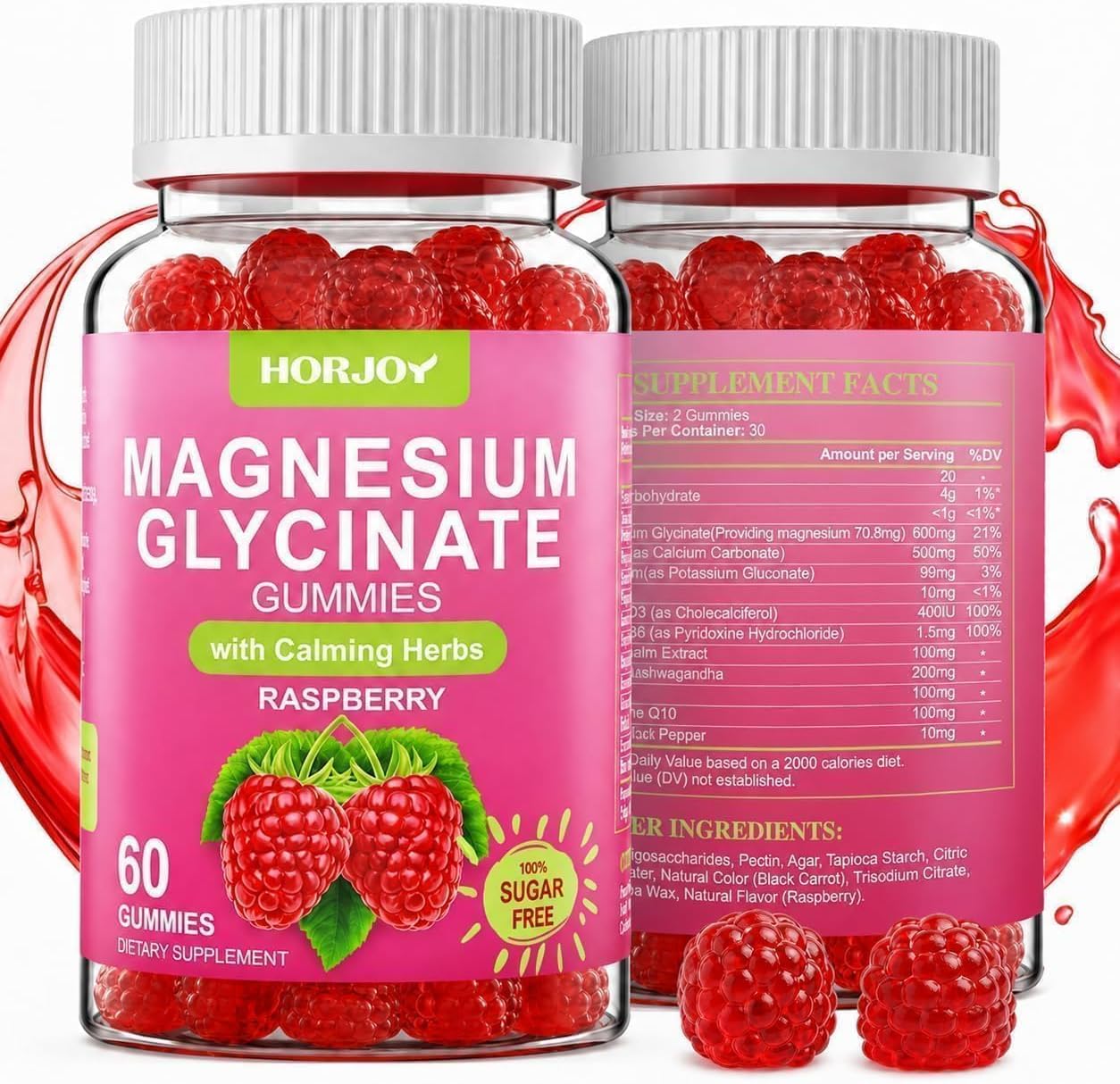
Magnesium Bisglycinate Chelate
A highly absorbable form of magnesium that:
- Relaxes muscle tension and reduces cramping
- Supports energy production in fatigued muscles
- Regulates nervous system stress responses
Why it helps: Magnesium deficiency exacerbates soreness and prolongs recovery. This form replenishes levels without digestive upset. Typical dose: 200-400mg daily.
Note: High doses may cause loose stools. Use cautiously with heart/kidney conditions.
Tart Cherry
Rich in anthocyanins and polyphenols that:
- Neutralize exercise-induced oxidative stress
- Inhibit inflammatory enzymes (COX-1 and COX-2)
- Improve sleep quality via natural melatonin
Why it helps: Studies show tart cherry concentrate can cut strength loss from DOMS by 30% and reduce soreness markers. Typical dose: 8-12oz juice or 480mg extract daily.
Note: May interact with blood thinners due to salicylate content.
OptiMSM® (Methylsulfonylmethane)
A purified form of sulfur that:
- Reduces inflammatory cytokines (TNF-α, IL-6)
- Supports connective tissue repair
- Enhances cell membrane permeability for nutrient uptake
Why it helps: MSM's potent anti-inflammatory action directly targets muscle and joint discomfort. Effects are cumulative over 2-3 weeks. Typical dose: 3-6g daily.
Note: Start with lower doses to assess tolerance. Avoid if sulfa-allergic.
Strategic Synergies for Enhanced Relief
Combining these agents can amplify benefits:
- Citrulline + Tart Cherry: Improved blood flow delivers antioxidants deeper into sore tissues.
- HMB + OptiMSM®: Reduces protein breakdown while suppressing inflammation at cellular level.
- Magnesium + Tart Cherry: Enhances muscle relaxation and sleep quality for overnight recovery.
Important interactions: Avoid combining high-dose magnesium with prescription muscle relaxants. Tart cherry may amplify effects of blood-thinning medications. Always space supplements 2-3 hours apart from antibiotics.
Approaches with Limited Evidence
While commonly used, these show inconsistent results for DOMS:
- BCAAs: May reduce soreness in beginners, but HMB (a leucine metabolite) is more targeted.
- Epsom Salt Baths: Magnesium absorption through skin is minimal. Oral magnesium is more reliable.
Important Considerations
This information is for educational purposes only. Supplements can interact with medications or pre-existing conditions. Always consult your physician or a registered dietitian before starting new supplements—especially if pregnant, nursing, or managing health conditions. Individual responses vary; what works for others may not work for you. Persistent muscle soreness could indicate injury requiring medical attention.