
Sulaphane Glucosinolate (SGS) is a naturally occurring compound primarily found in cruciferous vegetables like broccoli, kale, and Brussels sprouts. It acts as a precursor to sulforaphane, a molecule that has been extensively studied for its potential health effects.
SGS itself is not biologically active until it undergoes conversion in the body. This transformation requires the enzyme myrosinase, which is naturally present in the plant or can be provided by certain gut bacteria. Chewing or crushing the vegetables helps initiate this process, leading to the release of sulforaphane.
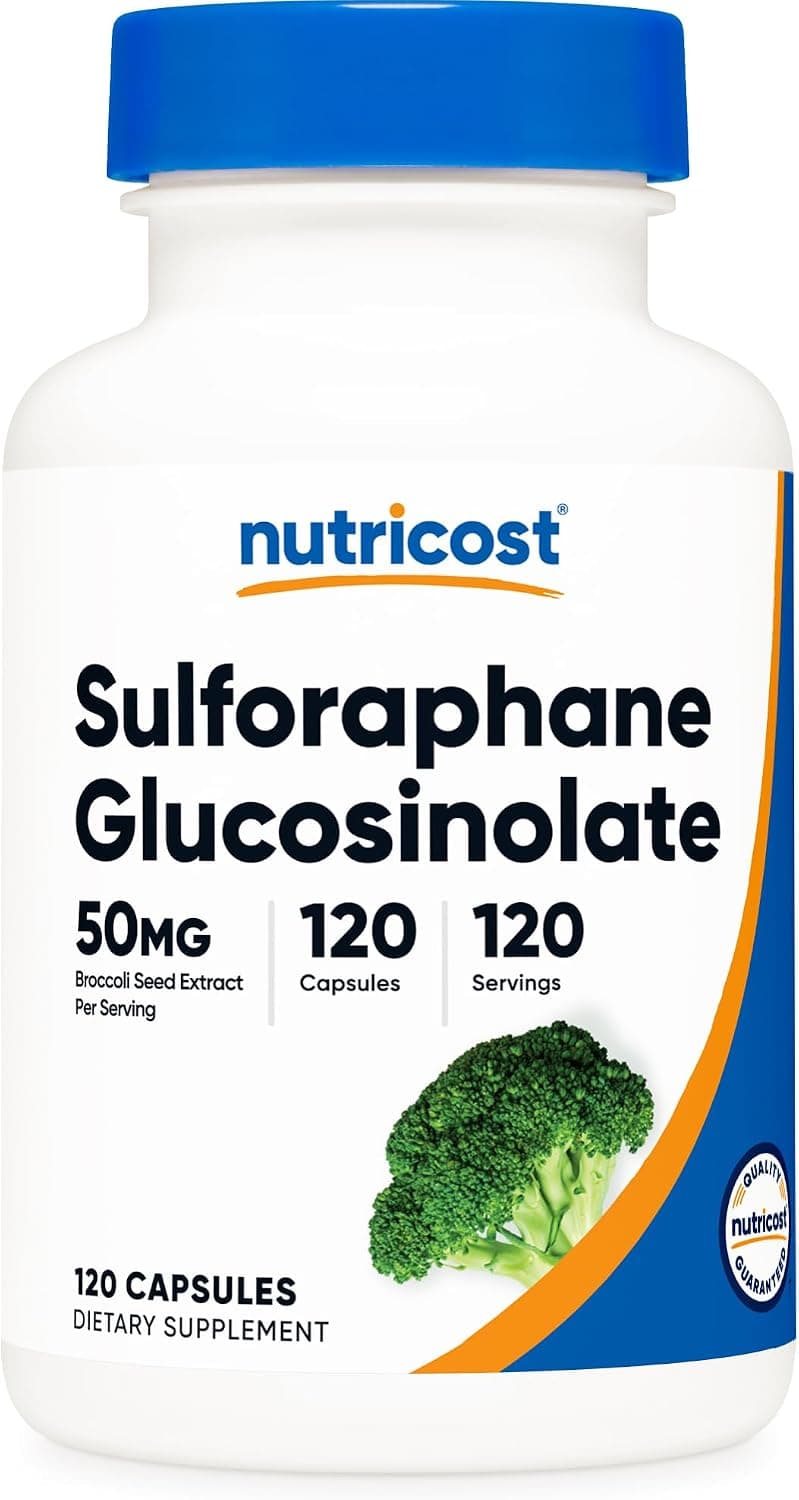
Nutricost Sulforaphane Glucosinolate (SGS) 120 Capsules | 50 mg Broccoli Seed Extract Per Serving
Sulforaphane (SGS) — check price on Amazon.
Check price on AmazonNutricost Sulforaphane Glucosinolate (SGS) 12…
Check price on AmazonThe most beneficial aspects of SGS are tied to the properties of sulforaphane. Sulforaphane is recognized for its potent antioxidant properties, which may help protect cells from oxidative damage. It also supports the body's natural detoxification pathways and may contribute to cellular health maintenance. Some research suggests sulforaphane could play a role in supporting immune function and promoting overall well-being.
SGS is commonly obtained from dietary sources, with broccoli sprouts being particularly rich in this compound. To maximize conversion, consuming these vegetables raw or lightly cooked can preserve the necessary enzymes. Some supplements are designed to include both SGS and myrosinase to enhance this process.
It is important to note that SGS is stable and can be stored, but the effectiveness of its conversion to sulforaphane depends on the presence of myrosinase. While generally considered safe, individual responses to SGS can vary based on diet and gut health.
Effectiveness and Risk Overview
Condition | Effectiveness | Details |
|---|---|---|
| Inflammation | Sulforaphane has anti-inflammatory effects, supported by multiple clinical and preclinical studies. | |
| Detoxification | Sulforaphane is known to enhance detoxification processes, supported by its effect on Nrf2 pathway activation. | |
| Oxidative Stress Reduction | Sulforaphane has been shown to have antioxidant properties, reducing oxidative stress in various studies. | |
| Immune System Support | Sulforaphane has been shown to support immune function, potentially enhancing the body's defense against infections. | |
| Cardiovascular Health | Sulforaphane may contribute to cardiovascular health through its antioxidant, anti-inflammatory, and potential antihypertensive effects. | |
| Neurodegenerative Diseases | Preliminary evidence suggests neuroprotective effects, potentially beneficial for neurodegenerative diseases, but more human studies are required. | |
| Gastrointestinal Health | Sulforaphane may have protective effects on the gastrointestinal tract, potentially benefiting conditions like gastritis or Helicobacter pylori infection. |
Check price on Amazon →#Sponsored