
Flax seed, also known as linseed, is a small brown or golden seed derived from the flax plant. It has been used for centuries in various forms, including as a food and a supplement, and is valued for its nutritional profile.
Flax seed is particularly noted for its high content of omega-3 fatty acids, which are essential fats that the body cannot produce on its own. These fats are known to support heart health and may help reduce inflammation. Additionally, flax seed is an excellent source of fiber, both soluble and insoluble, which can aid in digestion and promote a feeling of fullness.
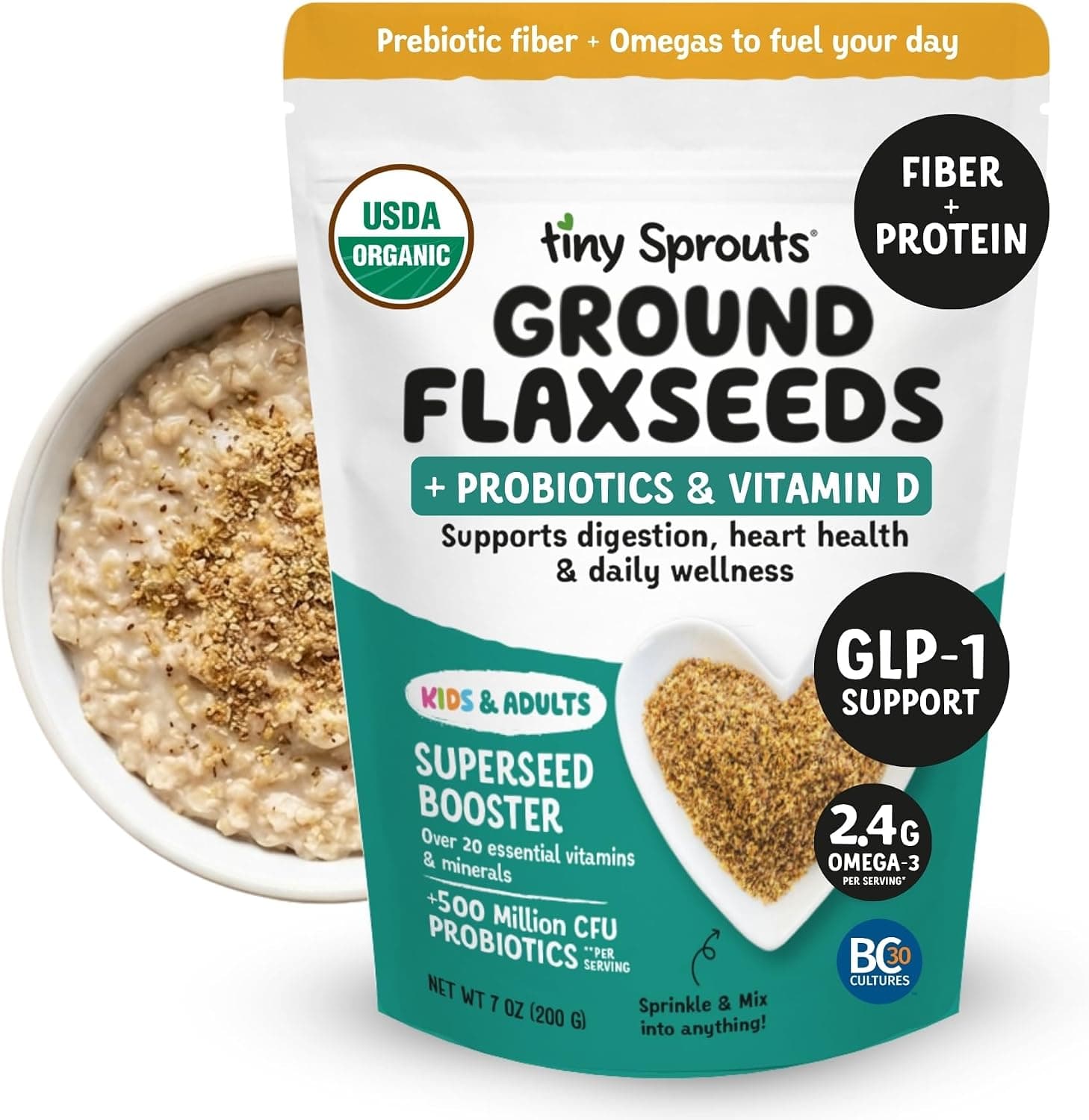
Tiny Sprouts Organic Ground Flaxseed + Probiotic & Vitamin D3 (7 oz)
Organic ground flaxseed with probiotic support — check price on Amazon.
Tiny Sprouts Organic Ground Flaxseed + Probio…
Check price on AmazonAnother important component of flax seed is lignans, which are plant compounds with antioxidant properties. These antioxidants may help protect cells from damage and could play a role in reducing the risk of certain chronic diseases. Flax seed also contains various vitamins and minerals, such as vitamin B1, manganese, and magnesium, contributing to overall well-being.
Flax seed can be consumed in several ways: as ground seeds, as oil, or in supplement form. For optimal absorption, it is often suggested to use ground flax seed, as the whole seeds may not be fully digested. It is commonly added to foods like cereals, smoothies, or baked goods. While flax seed offers numerous benefits, it is important to incorporate it as part of a balanced diet.
Effectiveness and Risk Overview
Condition | Effectiveness | Details |
|---|---|---|
| Constipation | Flaxseed is high in dietary fiber, which can help promote regular bowel movements and relieve constipation by softening stool and increasing stool bulk. | |
| Digestive Health | The fiber content in flaxseed can help regulate bowel movements, prevent constipation, and support overall digestive health. | |
| High Cholesterol | The soluble fiber in flaxseed can help lower cholesterol levels by binding to bile acids and removing them from the body, which in turn reduces the amount of cholesterol produced in the liver. | |
| Antioxidant Activity | Flaxseed contains various antioxidants that can help protect against oxidative stress and cell damage. | |
| Heart Health | Flaxseed's omega-3 fatty acids, antioxidants, and fiber may contribute to heart health by reducing inflammation, improving lipid profiles, and lowering blood pressure. | |
| Inflammation Reduction | Flaxseed contains anti-inflammatory compounds, including omega-3 fatty acids and antioxidants, which may help reduce inflammation in the body. | |
| Elevated Homocysteine (Cardiovascular Risk) | The prebiotic fiber in flaxseed can help support the growth of beneficial gut bacteria, promoting a healthy gut microbiome. |
Check price on Amazon →#Sponsored