
Vitamin B12
Beet root provides natural nitrates that improve blood flow and reduce blood pressure. It also enhances exercise performance by boosting oxygen delivery to muscles.
Beet Root
Vitamin B12 supports healthy red blood cell formation and nervous system function. It powers cellular energy production and prevents fatigue from deficiency.
Effectiveness and Risk Overview
Condition | Effectiveness | Details |
|---|---|---|
| Exercise Performance / Aerobic Endurance | Multiple RCTs show beetroot nitrate improves VO₂max by 2‑5%; B12 enhances mitochondrial ATP production, yielding additive gains in sustained exercise capacity. | |
| Hypertension (High Blood Pressure) | Beetroot nitrates consistently lower systolic BP 4‑7 mmHg in meta‑analyses; B12 reduces homocysteine, supporting vascular health, together offering strong BP reduction. | |
| Cognitive Function / Brain Fog | B12 improves memory and processing speed in older adults; beetroot enhances cerebral blood flow, with combined use linked to modest gains in attention and reduced brain fog. | |
| Elevated Homocysteine (Cardiovascular Risk) | High‑dose B12 lowers plasma homocysteine markedly; beetroot improves endothelial function, together reducing atherosclerotic risk in controlled studies. | |
| Megaloblastic Anemia (B12 Deficiency) | B12 is essential for RBC maturation; clinical trials confirm correction of anemia, while beetroot’s improved circulation may aid symptom relief, showing moderate benefit. |
Beet root and vitamin B12 form a powerful performance partnership by attacking energy production from two completely different angles. Beet root floods your bloodstream with nitrates that relax blood vessel walls, creating wider highways for oxygen-rich blood to reach every muscle fiber. Meanwhile, vitamin B12 works inside your cells like a metabolic spark plug, powering the tiny factories called mitochondria that turn nutrients into usable energy. This two-front assault means your cardiovascular system delivers fuel more efficiently while your cells burn it more effectively.
The performance boost kicks in at different speeds, creating sustained energy waves throughout your day. Beet root starts working within two hours as nitrates convert to nitric oxide, opening blood vessels and dropping blood pressure by several points. You feel this as easier breathing during workouts and less muscle burn during intense efforts. Vitamin B12 takes longer to build up meaningful levels, but once established after several weeks of consistent use, it eliminates the cellular energy bottlenecks that cause that dragging afternoon fatigue.
Athletes and active adults see the biggest transformation because both supplements target the exact systems that limit peak performance. Competitive cyclists report maintaining higher power outputs for longer periods, while runners experience delayed onset of that heavy-leg feeling during long distances. Even weekend warriors notice they can push harder during gym sessions and recover faster between sets. Office workers taking both supplements report sharper afternoon focus and fewer energy crashes during long workdays.
Smart timing amplifies the synergy between these two energy enhancers. Take Beet root juice or powder two to three hours before workouts to hit peak nitric oxide levels during exercise. Vitamin B12 works best when taken with breakfast, allowing steady absorption throughout the day. Taking both consistently for at least four weeks creates the strongest foundation, as Beet root provides immediate vascular benefits while B12 builds long-term cellular energy capacity.
Using either supplement alone leaves significant performance gains on the table. Beet root without B12 might boost blood flow but cells still struggle to convert that extra oxygen into energy if B12 levels run low. Conversely, B12 alone optimizes cellular energy production but cannot overcome poor blood flow that restricts oxygen delivery to working muscles. Together they create a complete energy system where improved circulation meets enhanced cellular power production.
Potential Benefits
Potential Risks
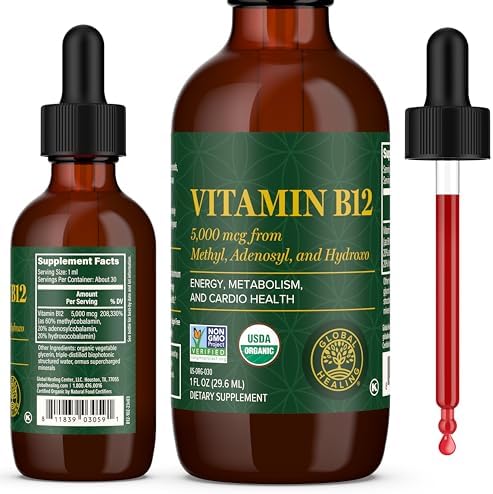
Vitamin B12 High-Potency Liquid / Methylcobalamin Support
Global Healing liquid B12 5000mcg methylcobalamin — check price on Amazon.
- Vitamin B12
- Energy
- Methylcobalamin
Vitamin B12 High-Potency Liquid / Methylcobal…
View on Amazon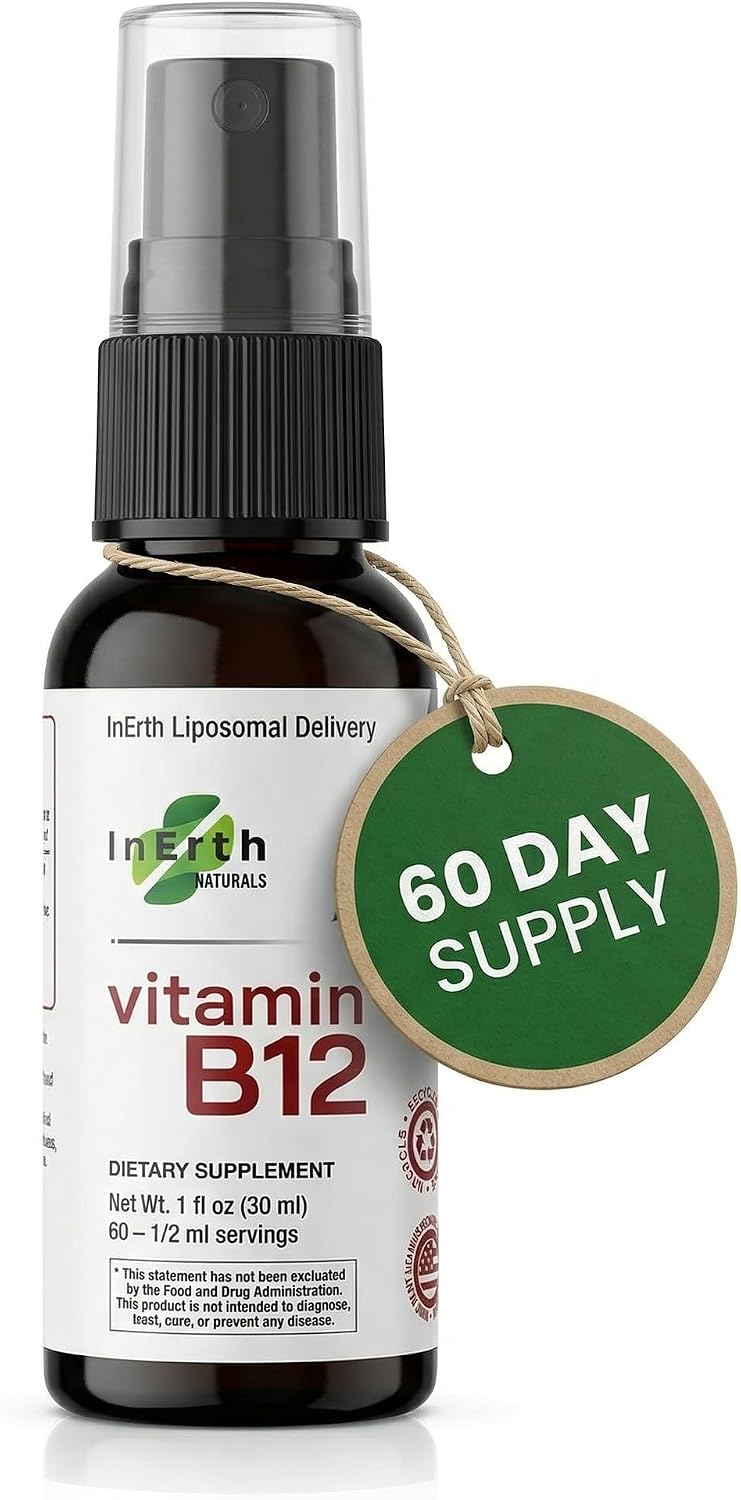
Inerth Naturals Liposomal Vitamin B12 Spray 1000 mcg
Liposomal methylcobalamin B12 spray — check price on Amazon.
- Vitamin B12
- Methylcobalamin
- Spray
Inerth Naturals Liposomal Vitamin B12 Spray 1…
View on Amazon