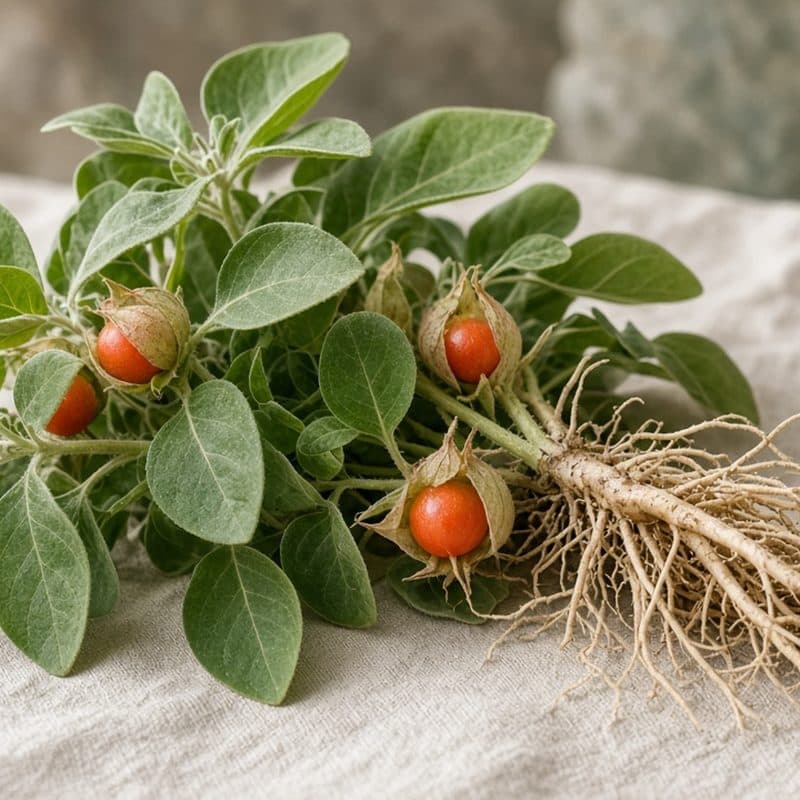
Effectiveness and Risk Overview
Condition | Effectiveness | Details |
|---|---|---|
| High Blood Pressure | Multiple RCTs show beetroot nitrate lowers systolic BP ~5‑10 mmHg; moringa adds modest antihypertensive effect via vasodilatory antioxidants. Synergy gives strong BP reduction. | |
| Poor Circulation | Beetroot nitrates boost nitric‑oxide vasodilation, enhancing peripheral flow; moringa’s antioxidants protect vessels, together markedly improve circulation. | |
| Aerobic Endurance | Beetroot improves O₂ delivery, raising performance 2‑5 %; moringa’s antioxidants reduce exercise‑induced oxidative stress, supporting endurance gains. | |
| Chronic Inflammation | Moringa polyphenols suppress NF‑κB, lowering CRP/IL‑6; beetroot’s nitrate pathway also attenuates inflammatory endothelial activation. | |
| Atherosclerosis | Nitrate‑induced NO improves endothelial function and slows plaque progression; moringa’s lipid‑lowering and antioxidant actions further curb arterial calcification. |
Beet root and moringa work through separate but powerful pathways to support your cardiovascular system. Beet root delivers natural nitrates that your body converts into nitric oxide, which widens blood vessels and improves circulation. Meanwhile, moringa floods your system with antioxidants that protect blood vessels from damage and reduce inflammation throughout your cardiovascular system. This dual approach targets both blood flow improvement and vessel protection simultaneously.
You'll typically notice the effects within hours of taking this combination. Beet root's nitrates begin working within 2-3 hours, creating better blood flow that you might feel as improved energy or reduced fatigue during physical activity. Moringa's anti-inflammatory compounds start building up in your system within the same timeframe, though their protective effects strengthen over days and weeks of consistent use.
This combination works exceptionally well for athletes seeking better performance, older adults managing blood pressure concerns, and anyone dealing with chronic inflammation. The nitrates from Beet root enhance oxygen delivery to muscles and organs, while moringa's antioxidants help repair the cellular damage that exercise and aging create. People with sedentary lifestyles particularly benefit because both supplements help counteract poor circulation and inflammatory stress.
Take Beet root earlier in the day since its energy-boosting effects can interfere with sleep if consumed late. Moringa can be taken with meals to maximize absorption of its fat-soluble compounds. Space them at least an hour apart to prevent any potential interaction between their different absorption pathways in your digestive system.
Using either supplement alone misses significant benefits. Beet root without moringa leaves your blood vessels vulnerable to oxidative damage from the improved circulation it creates. Moringa alone provides antioxidant protection but doesn't actively improve the blood flow needed to deliver those protective compounds throughout your body effectively.
Potential Benefits
Potential Risks
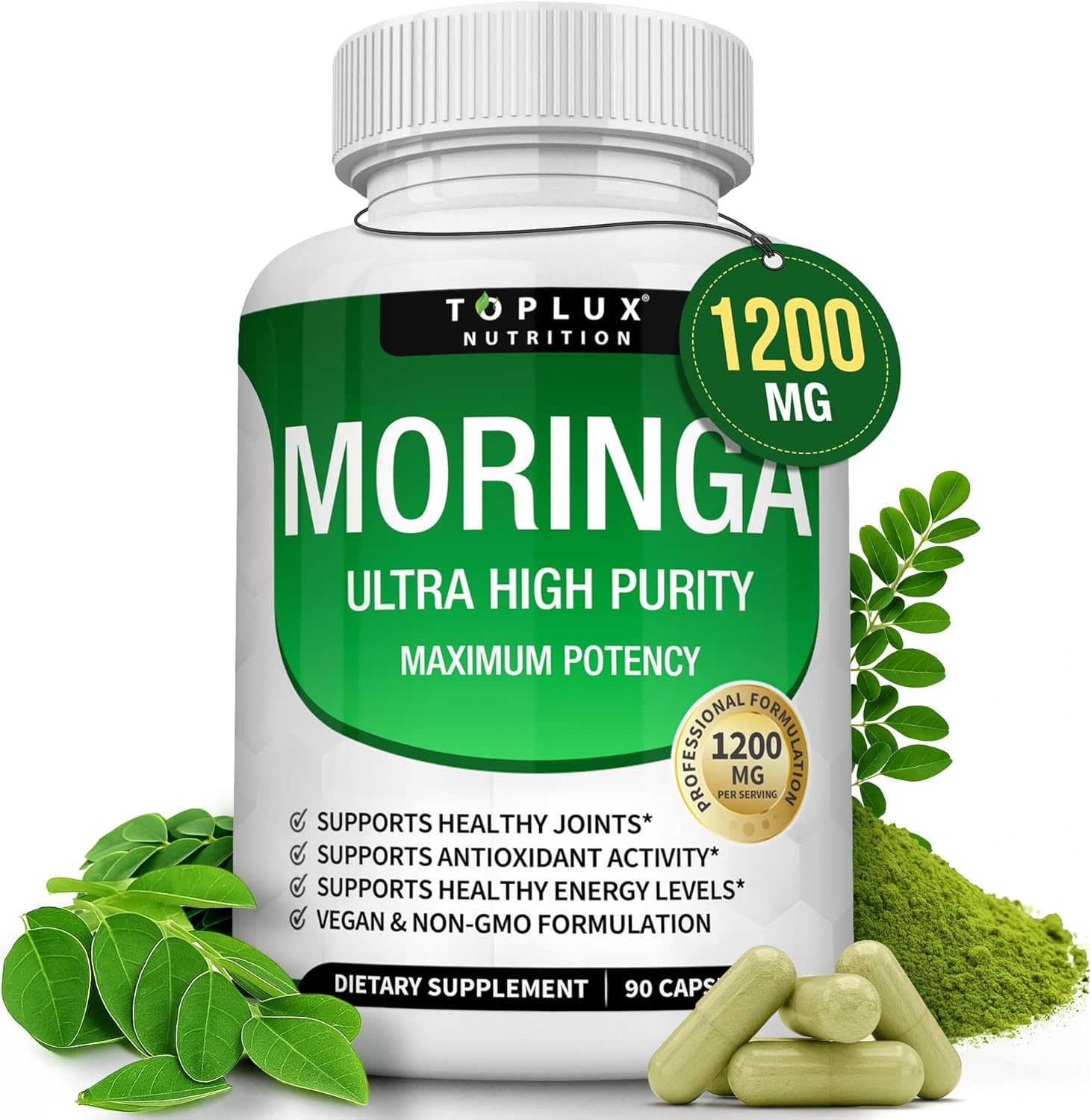
Superfoods — check price on Amazon.
Pure Moringa Powder High Potency Leaf Extract…
View on Amazon