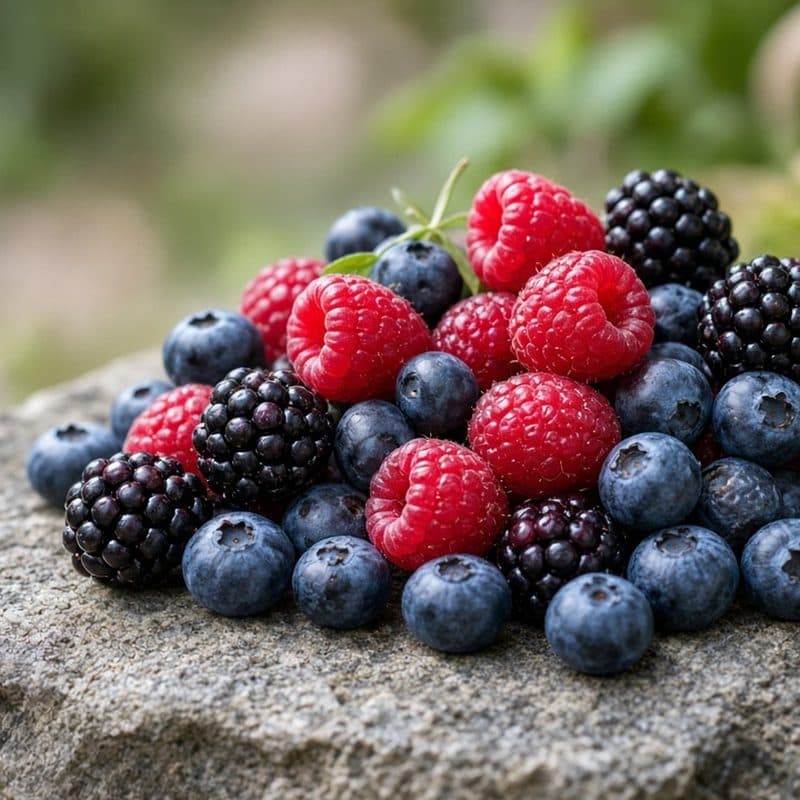
Evidence-Backed Supplements and Foods to Help Manage Your Blood Pressure
High blood pressure (hypertension) affects nearly half of adults, often without obvious symptoms. Left unchecked, it strains your heart, damages blood vessels, and raises risks for stroke or heart attack. While medication is essential for many, research shows certain natural compounds can meaningfully support blood pressure management. Here, we focus on the most effective, science-backed options—explaining how they work and how to use them safely.
Key Natural Helpers for Blood Pressure
These compounds target underlying mechanisms like blood vessel stiffness, inflammation, and nitric oxide production. Always prioritize whole foods first, but supplements can fill gaps.
-
Aged Garlic Extract (including Kyolic®)
Mechanism: Converts to allicin-like compounds that relax arteries, reduce inflammation, and mildly thin blood. Studies show it can lower systolic pressure by 7-10 mmHg.
Contraindications: Avoid if taking blood thinners (warfarin, aspirin) or before surgery. May cause heartburn. -
Beetroot (Juice, Powder, or Whole)
Mechanism: High in nitrates, which convert to nitric oxide—a molecule that dilates blood vessels. Effects appear within hours and may reduce systolic pressure by 4-10 mmHg.
Contraindications: May temporarily turn urine pink/red. Limit if prone to kidney stones. -
Hibiscus Extract
Mechanism: Acts like natural ACE inhibitors (common blood pressure drugs), blocking hormones that constrict arteries. Rich in antioxidants that combat vascular inflammation.
Contraindications: Potent diuretic—monitor hydration and avoid combining with prescription diuretics. -
Magnesium (Orotate or Taurinate)
Mechanism: Relaxes blood vessel walls by balancing calcium. Orotate supports heart energy; taurinate calms nervous system stress.
Contraindications: High doses cause diarrhea. Avoid in severe kidney disease. -
Potassium
Mechanism: Counters sodium’s effects by helping kidneys excrete excess fluid and easing tension in artery walls.
Contraindications: Critical: Do not supplement without doctor approval if on ACE inhibitors, ARBs, or diuretics—risk of dangerous potassium buildup. -
Olive Leaf Extract
Mechanism: Contains oleuropein, which improves artery flexibility and acts as a natural ACE inhibitor.
Contraindications: May lower blood sugar—use caution with diabetes medications. -
Coenzyme Q10 (CoQ10)
Mechanism: Boosts energy in blood vessel cells, improving elasticity. Especially helpful if taking statins (which deplete CoQ10).
Contraindications: May enhance blood pressure medications—work with your doctor to adjust doses. -
Flaxseed (Oil or Ground)
Mechanism: Omega-3s reduce inflammation, while lignans improve artery function. Ground flax offers fiber for weight management—a key factor in hypertension.
Contraindications: Potential mild blood-thinning; avoid with anticoagulants. -
Citrus Bergamot Extract
Mechanism: Flavonoids protect blood vessels from oxidative damage and support healthy cholesterol, indirectly easing pressure.
Contraindications: May interact with statins or blood sugar medications. -
Arjuna (Terminalia arjuna)
Mechanism: Traditional Ayurvedic herb with cardio-protective antioxidants that strengthen blood vessel integrity.
Contraindications: Limited data—avoid if pregnant or combining with multiple heart medications.
Synergies: Boosting Benefits Together
Combining certain compounds can enhance results:
- Beetroot + Garlic/Hibiscus: Beets boost nitric oxide, while garlic/hibiscus prevent its breakdown—amplifying vessel dilation.
- Magnesium + Potassium: Work in tandem to regulate fluid balance and nerve signals affecting blood pressure.
- CoQ10 + Flaxseed: CoQ10 improves vessel energy, while flax reduces inflammation—addressing two key drivers.
Important Interactions to Avoid
Some combinations require caution:
- Blood-Thinning Stack: Garlic + Flax + Hibiscus together may over-thin blood. Monitor if on anticoagulants.
- Potassium + Medications: Combining potassium supplements with ACE inhibitors (e.g., lisinopril) risks hyperkalemia.
- Multiple Diuretics: Hibiscus (natural diuretic) with prescription diuretics (e.g., furosemide) may cause dehydration.