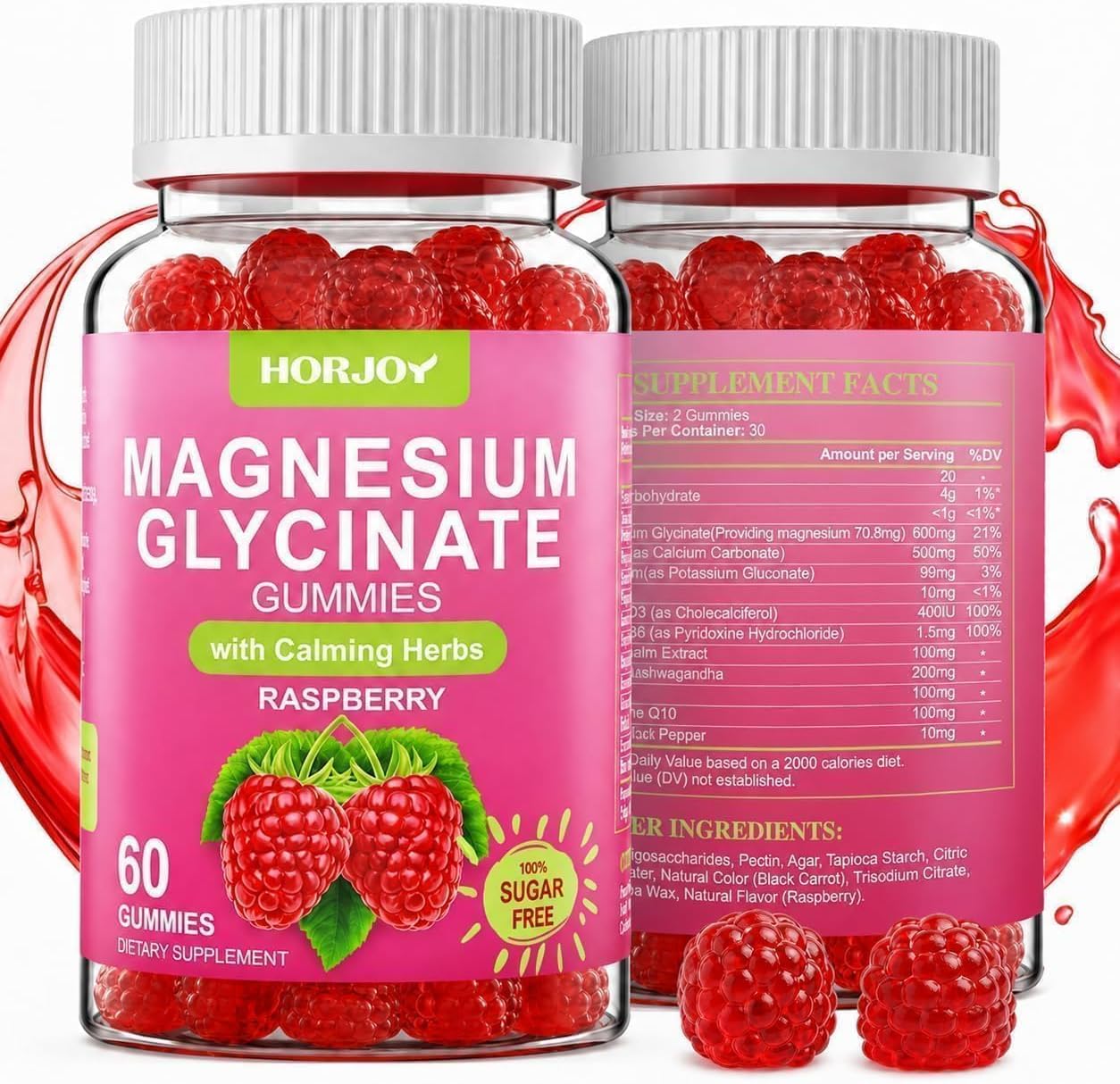
Magnesium is the 4th most abundant mineral in the human body, but not all supplements are created equal. Below you’ll find a side‑by‑side look at the three most popular magnesium forms, how they differ in elemental content, absorption, and typical uses, plus practical dose calculations and a quick FAQ.
1. The Three Main Forms
Magnesium Oxide
- Cost: Cheapest on the market.
- Elemental Mg: ~60 % (≈ 400 mg elemental Mg per 670 mg capsule).
- Absorption: Very low – roughly 4 % of the elemental magnesium is actually taken up.
- Typical effect: Acts mainly as a laxative because the unabsorbed portion stays in the gut, pulling water in.
Magnesium Citrate
- Cost: Mid‑range.
- Elemental Mg: ~16 % (≈ 150 mg elemental Mg per 950 mg powder dose).
- Absorption: Good – 30‑40 % bioavailability.
- Typical effect: Gentle laxative; helps relieve occasional constipation while supplying usable magnesium.
Magnesium Glycinate (or Bisglycinate)
- Cost: Higher‑priced premium form.
- Elemental Mg: ~14 % (≈ 100 mg elemental Mg per 700 mg tablet).
- Absorption: Excellent – 80‑90 % when taken on an empty stomach.
- Typical effect: Very well‑tolerated; promotes relaxation and supports sleep without a noticeable laxative action.
2. Matching Form to Goal
| Goal / Symptom | Best Magnesium Form | Why? |
|---|---|---|
| Relieve occasional constipation | Magnesium Citrate | Gentle osmotic laxative + decent absorption. |
| Promote sleep & relaxation | Magnesium Glycinate | Highly bioavailable, low GI irritation, calming effect of glycine. |
| General magnesium supplementation on a budget | Magnesium Oxide (if laxative effect is acceptable) or Citrate (if you want better absorption) | Oxide provides the most elemental Mg per dollar but only ~4 % is used; citrate balances cost and absorption. |
3. Dose Math – How Much Elemental Mg Are You Getting?
Most labels list the total weight of the compound, not the elemental magnesium. Use the %‑elemental figure to calculate the actual magnesium you’ll absorb.
| Form | Typical Serving (compound weight) | Elemental % | Elemental Mg per serving | Estimated absorbed Mg* (≈% absorption) |
|---|---|---|---|---|
| Oxide | 670 mg capsule | 60 % | ≈ 400 mg | ≈ 16 mg (4 % of 400 mg) |
| Citrate | 950 mg powder (≈ 2 tsp) | 16 % | ≈ 150 mg | ≈ 45‑60 mg (30‑40 % of 150 mg) |
| Glycinate | 700 mg tablet | 14 % | ≈ 100 mg | ≈ 80‑90 mg (80‑90 % of 100 mg) |
*Absorption percentages are approximate and vary with individual gut health, dose size, and whether you take it with food.
4. Frequently Asked Questions
- Q: If oxide has the highest elemental Mg, why isn’t it the best choice?
- A: Because only ~4 % is actually absorbed. The remaining 96 % stays in the intestines, acting as a laxative. If you need pure magnesium without a bowel‑move effect, oxide isn’t ideal.
- Q: Can I take more citrate to make up for its lower elemental content?
- A: Yes, but keep an eye on the laxative effect. Most adults tolerate 300‑400 mg elemental Mg from citrate (≈2–3 servings) without severe diarrhea, but individual tolerance varies.
- Q: Is glycinate safe for people with kidney disease?
- A: Anyone with impaired kidney function should consult a healthcare professional before supplementing, regardless of form, because excess magnesium can accumulate.
- Q: Should I split my dose throughout the day?
- A: Splitting improves absorption for most forms. For citrate, ½ dose with breakfast and ½ with dinner works well. Glycinate is often taken before bed for its calming effect.
- Q: Do I need to take magnesium with food?
- A: Oxide and citrate are less irritating when taken with a meal. Glycinate can be taken on an empty stomach for optimal uptake.
- Q: How long does it take to feel the benefits?
- A: Laxative effects of citrate or oxide appear within 30 minutes–6 hours. Sleep‑enhancing effects of glycinate may take a few days of consistent use.
5. Product‑Guidance: How to Choose a Quality Supplement
- Pick by goal:
- Constipation → Magnesium Citrate
- Sleep/relaxation → Magnesium Glycinate
- Budget‑friendly general support → Magnesium Oxide (if you can tolerate the laxative effect) or Citrate for better absorption.
- Third‑party testing: Look for seals from NSF, USP, Informed‑Sport, or Labdoor. This ensures the label matches the actual content and that the product is free of heavy metals.
- Elemental Mg on the label: The label should list the amount of elemental magnesium per serving (e.g., “150 mg elemental Mg”). If only the compound weight is shown, calculate yourself using the percentages above.
- Formulation extras:
- Citrate powders often contain added flavoring; verify there’s no excess sugar.
- Glycinate tablets may include a small amount of magnesium oxide to boost total elemental Mg – check the ingredient list.
By aligning the magnesium form with your specific health goal, you’ll get the most bang for your buck and avoid unwanted side‑effects. Happy supplementing!