How Key Nutrients Combat Oxidative Stress and Support Vibrant Health
Antioxidant activity is your body's built-in defense against oxidative stress – a natural process where unstable molecules called free radicals damage cells. While some oxidative stress is normal, factors like pollution, UV exposure, poor diet, and stress can overwhelm your defenses. This imbalance is linked to premature aging, inflammation, and chronic conditions. Fortunately, specific nutrients can powerfully boost your antioxidant capacity. Let's explore the most effective ones.
Core Antioxidant Powerhouses
- Vitamin C (Ascorbic Acid, Liposomal Vitamin C, Camu Camu, Acerola): A water-soluble vitamin that directly neutralizes free radicals in bodily fluids and cells. It also regenerates other antioxidants like Vitamin E. High doses may cause digestive upset in sensitive individuals.
- Vitamin E (D-Alpha Tocopherol, Tocotrienols): A fat-soluble antioxidant protecting cell membranes from lipid peroxidation. Tocotrienols offer enhanced neuroprotective benefits. High doses may interact with blood thinners.
- Glutathione & Precursors (L-Glutathione, S-Acetyl-L-Glutathione, N-Acetyl-Cysteine): The body's "master antioxidant." NAC and cysteine boost glutathione production, crucial for liver detox and cellular protection. NAC may thin mucus; consult a doctor if taking blood thinners.
- CoQ10 & Ubiquinol (Kaneka Ubiquinol): Generates cellular energy (ATP) and acts as a fat-soluble antioxidant in mitochondria. Ubiquinol is the active, readily absorbed form. May interact with blood pressure and blood-thinning medications.
- Alpha-Lipoic Acid (R-Lipoic Acid): Unique as both water and fat-soluble, it recycles vitamins C and E, boosts glutathione, and supports blood sugar balance. May lower blood sugar – diabetics should monitor levels closely.
- Selenium (L-Selenomethionine, Se-Methylselenocysteine): A mineral essential for the function of glutathione peroxidase, a key antioxidant enzyme. Organic forms (selenomethionine) are better absorbed. High doses can be toxic; stick to recommended amounts.
Potent Plant-Based Antioxidants
- Polyphenols (EGCG from Green Tea, Quercetin, Curcuminoids, Silymarin, Olive Polyphenols): These plant compounds neutralize multiple free radical types, reduce inflammation, and activate the body's own antioxidant enzymes (like SOD). Quercetin may interact with some antibiotics.
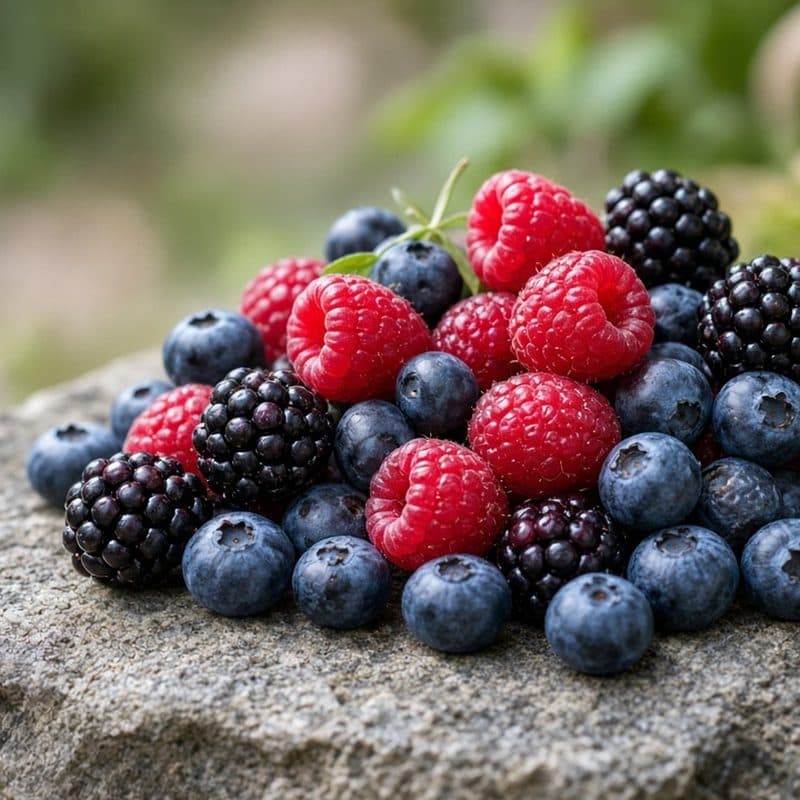
- Anthocyanins (Berries: Blueberry, Bilberry, Acai, Pomegranate): Give berries vibrant colors; protect blood vessels, brain cells, and combat inflammation. Generally safe, but be mindful of sugar content in fruit sources.
- Carotenoids (Astaxanthin, Lycopene, Beta-Cryptoxanthin): Fat-soluble pigments. Astaxanthin is exceptionally potent for skin and eye protection. Lycopene (in tomatoes) supports heart health. Best absorbed with dietary fats.
- Adaptogenic Herbs (Ashwagandha, Ginseng, Holy Basil): Reduce stress-induced oxidative damage and support adrenal function. Ginseng may increase blood pressure in some; Ashwagandha is generally well-tolerated.
- Mushrooms (Reishi, Cordyceps): Contain unique polysaccharides and triterpenes that boost SOD and glutathione levels, enhancing overall antioxidant defense. Reishi has mild blood-thinning properties.
Powerful Synergies
Combining antioxidants often creates a multiplier effect:
- Vitamin C + Vitamin E: Vitamin C regenerates oxidized Vitamin E, allowing it to continue protecting cell membranes.
- Polyphenols + Vitamin C: Vitamin C enhances the absorption and stability of many polyphenols like EGCG.
- NAC/Alpha-Lipoic Acid + Selenium: NAC and ALA boost glutathione production, while selenium is essential for glutathione peroxidase to function.
- Carotenoids + Healthy Fats: Consuming carotenoid-rich foods (like tomatoes or spinach) with olive oil or avocado significantly increases absorption.
Important Considerations & Interactions
- Blood Thinners: Vitamin E (high dose), Ginkgo, Reishi, and high-dose fish oil may increase bleeding risk when combined with medications like warfarin.
- Blood Sugar Medications: Alpha-Lipoic Acid, Cinnamon, and Ginseng can lower blood sugar. Diabetics must monitor levels closely to avoid hypoglycemia.
- Thyroid Medication: High doses of Soy or Calcium supplements can interfere with absorption. Take medications separately.
- Iron Absorption: High-dose Calcium, Zinc, or Green Tea (EGCG) can inhibit iron absorption. Separate intake from iron-rich meals or supplements.
- Mineral Balance: Excessive Zinc can deplete Copper; high-dose Calcium can affect Magnesium. Balanced formulas are preferable.