
Vitamin B3, also known as niacin, is an essential water-soluble vitamin that plays a vital role in maintaining overall health. It is naturally present in many foods and can also be obtained through supplements.
This vitamin is crucial for converting food into energy, supporting the body's metabolic processes. It helps convert carbohydrates, fats, and proteins into usable energy, making it particularly important for maintaining healthy energy levels throughout the day.
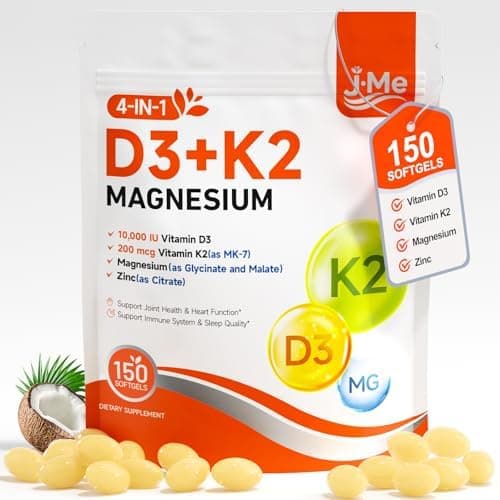
Vitamin D3 + K2 MK-7 with Magnesium — Bone & Immunity
High-potency D3 paired with K2 and magnesium for absorption you can feel.
Vitamin D3 + K2 MK-7 with Magnesium — Bone &…
Check price on AmazonVitamin B3 is most beneficial for supporting cardiovascular health. It can help lower levels of LDL cholesterol (often called "bad" cholesterol) while potentially raising HDL cholesterol (the "good" type). This dual action contributes to a healthier cholesterol profile.
Additionally, niacin supports skin health by promoting healthy skin function and repair. It may help improve skin conditions and maintain overall skin integrity. The vitamin also plays a role in maintaining healthy nervous system function and brain health.
Important dietary sources include meat, poultry, fish, nuts, seeds, legumes, and fortified grains. While deficiency is rare in developed countries, severe lack can lead to a condition known as pellagra, characterized by dermatitis, diarrhea, and dementia.
Supplemental forms include nicotinic acid and nicotinamide, with the former being more effective for cholesterol management but potentially causing flushing. Excessive intake can cause side effects like flushing, nausea, or liver issues, so appropriate dosing is important.
Effectiveness and Risk Overview
Condition | Effectiveness | Details |
|---|---|---|
| High Cholesterol | Clinical trials demonstrate that niacin significantly reduces total and LDL cholesterol levels, making it a treatment for high cholesterol. | |
| Hyperlipidemia | Vitamin B3 has been shown to effectively manage hyperlipidemia by modifying lipid profiles, supported by strong clinical evidence. | |
| Cholesterol | Niacin (Vitamin B3) is well-documented to improve lipid profiles by lowering LDL cholesterol and triglycerides while raising HDL cholesterol. Multiple clinical trials and meta-analyses support its efficacy. | |
| Cardiovascular Health | By improving lipid profiles and potentially other mechanisms, Vitamin B3 is thought to support cardiovascular health, though the strength of evidence varies. | |
| Skin Conditions | Niacin and its derivatives have been used to treat various skin conditions, with some evidence supporting its benefits for skin health. | |
| Oxidative Stress Reduction | Niacin has antioxidant properties that may help reduce oxidative stress, but the clinical significance of this effect is still being researched. |
Check price on Amazon →#Sponsored