
Combination guide
Can you take Acetyl L-Carnitine and Vitamin B3 together?
Clear guide to benefits, risks, and synergy when combining Acetyl L-Carnitine and Vitamin B3.
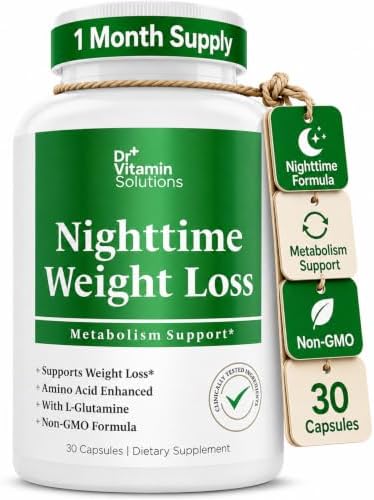
Nighttime Fat Burner for Women — Rest & Recover Lean
Acetyl-L-carnitine based night formula so recovery works while you sleep.
Nighttime Fat Burner for Women — Rest & Recov…
Check price on AmazonTaking Acetyl L-Carnitine and Vitamin B3 together provides complementary support for mitochondrial energy production and overall vitality. Acetyl L-Carnitine shuttles fatty acids into cells to serve as fuel, while Vitamin B3 acts as a precursor to NAD+, the key molecule that powers the conversion of that fuel into usable energy through oxidation processes. This dual mechanism enhances cellular efficiency without competition or adverse interactions, suggesting a rating of 4 out of 5.
The Combined Strategy
Pairing Acetyl L-Carnitine with Vitamin B3 creates a comprehensive approach to boosting energy and mental performance in everyday life. Acetyl L-Carnitine delivers fats directly into mitochondria for sustained fuel, ideal for active days or mental tasks. Vitamin B3 steps in by fueling the enzymes that burn that fuel, preventing energy crashes and supporting recovery. Together, they form a dual-action strategy that covers both fuel transport and metabolic ignition, making them a smart addition to routines focused on combating fatigue or enhancing focus.
Body Compatibility
Your digestive system and bloodstream handle these supplements via separate routes, ensuring they coexist without issues. Acetyl L-Carnitine gets absorbed intact in the small intestine and readily enters brain cells thanks to its special acetyl attachment. Vitamin B3, meanwhile, dissolves quickly in the gut, heads to the liver for conversion into active forms, and spreads system-wide. With no shared absorption channels or enzyme demands, they pass through your body like cars on different highways, avoiding any slowdowns or overloads in processing.
How They Interact
Acetyl L-Carnitine works mainly through the carnitine shuttle system, grabbing fatty acids and carrying them across mitochondrial membranes for breakdown. Vitamin B3 operates in energy pathways by replenishing NAD+, which carries electrons during fat oxidation and ATP creation inside those mitochondria. Rather than clashing, their actions align—ALCAR supplies the raw materials, B3 enables the chemical reactions—allowing them to amplify each other's effectiveness in energy production without stepping on each other's toes.
Disclaimer: Some links on this site are affiliate links. As an Amazon Associate, qualifying purchases may earn us a commission. This content is for informational purposes only and is not medical advice.