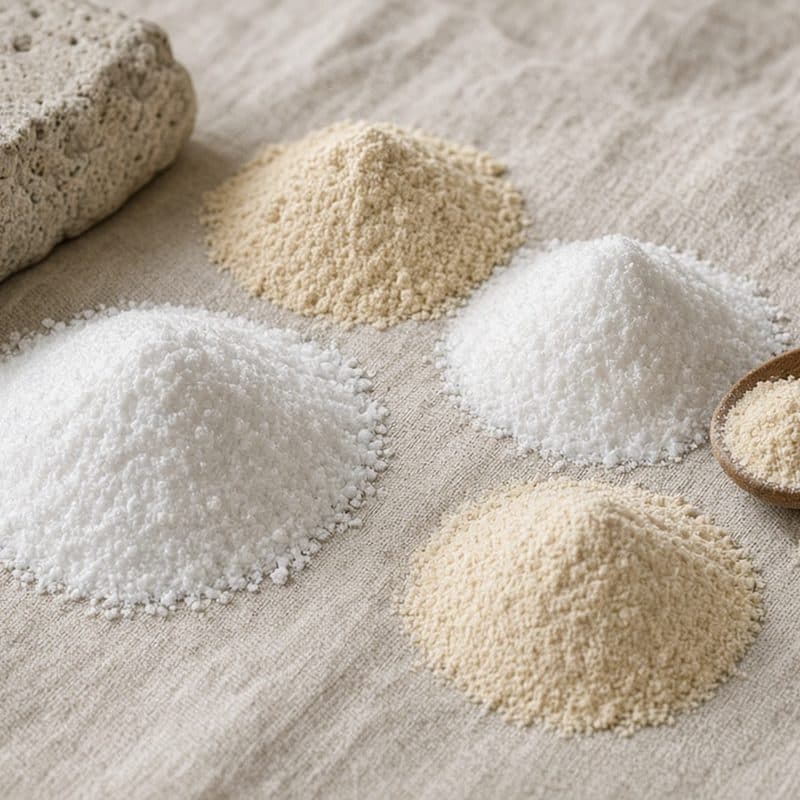
Taurine is an organic compound classified as an amino acid, though it is not directly involved in protein synthesis. It is naturally produced in the human body and found in various foods, including meat, fish, and dairy products. Taurine plays several important roles in maintaining overall health and is often included in dietary supplements.
One of the primary functions of taurine is its involvement in regulating electrolyte balance, particularly in the heart and skeletal muscles. It helps maintain the proper flow of calcium and potassium, which is crucial for normal muscle contraction and relaxation. This makes taurine important for cardiovascular health, supporting heart function and potentially aiding in blood pressure regulation.
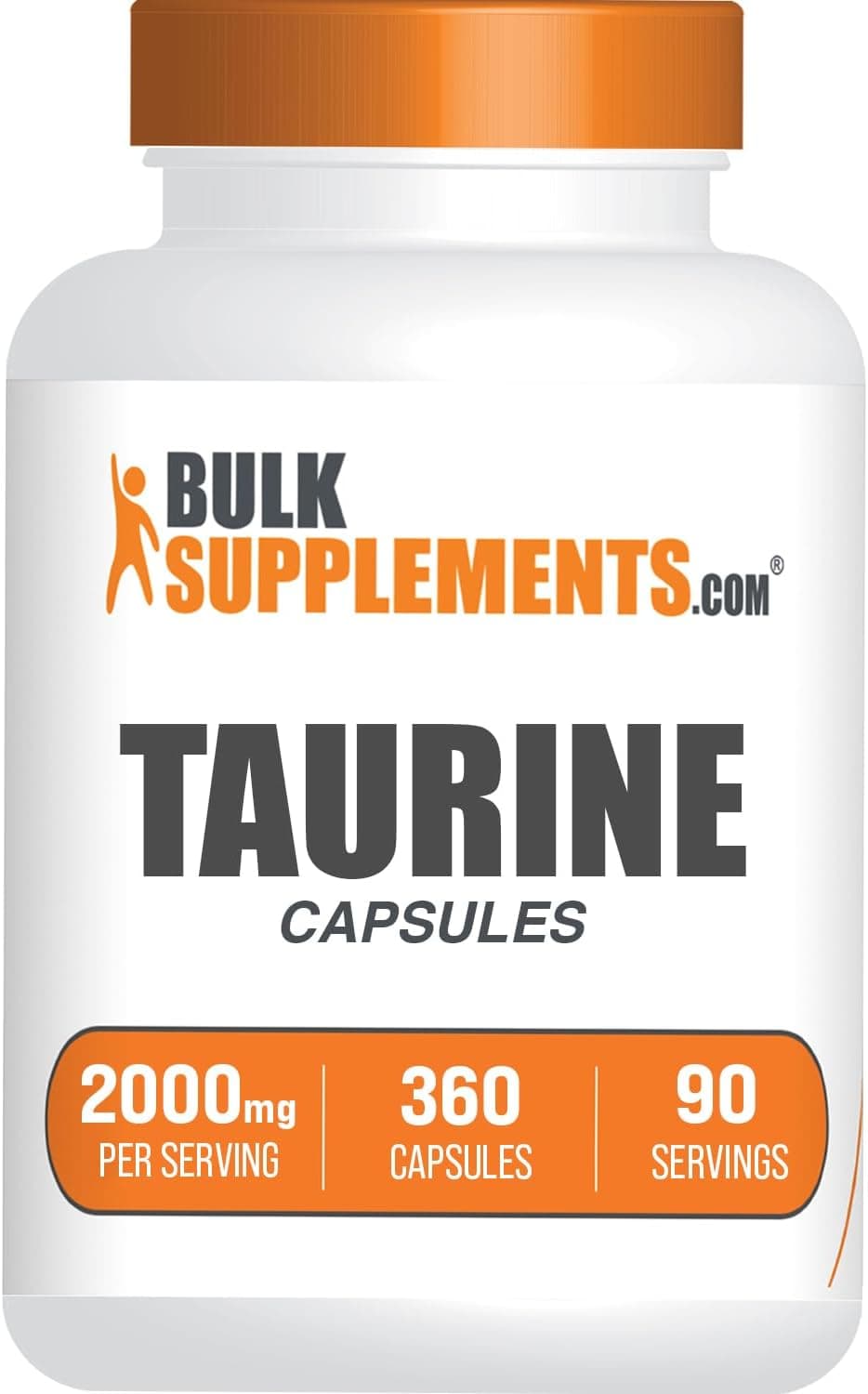
BulkSupplements.com Taurine Capsules - Taurine Supplement, Taurine 2000mg, Amino Acids for Heart Health, Taurine Pills - Gluten Free, 4 Taurine 500mg Capsules per Serving (2000mg), 360 Capsules
Taurine — check price on Amazon.
Check price on AmazonBulkSupplements.com Taurine Capsules - Taurin…
Check price on AmazonTaurine also contributes to eye health by being a component of the retina. It may help protect against oxidative stress in the eyes and support visual function. Additionally, taurine is found in high concentrations in the brain, where it acts as a neurotransmitter, potentially influencing cognitive function and mood regulation.
For athletes and physically active individuals, taurine supplementation is sometimes used to enhance performance. It may help reduce muscle fatigue, improve endurance, and support recovery after exercise by aiding in the removal of metabolic waste products. Taurine also plays a role in liver health by assisting in the detoxification process and protecting liver cells from damage.
Common dietary sources of taurine include seafood, poultry, eggs, and dairy. Many energy drinks and pre-workout supplements contain taurine, often alongside caffeine, to promote alertness and reduce perceived fatigue. While generally well-tolerated, excessive intake from supplements may cause mild side effects like headaches or gastrointestinal discomfort in some individuals.
Research suggests taurine may offer benefits for certain health conditions, such as supporting diabetes management by improving insulin sensitivity, and aiding in the treatment of fatty liver disease. It is also studied for its potential role in reducing inflammation and supporting immune function.
Effectiveness and Risk Overview
Condition | Effectiveness | Details |
|---|---|---|
| Antioxidant Activity | Taurine has been shown to have antioxidant effects, protecting against oxidative stress and cell damage. | |
| Oxidative Stress Reduction | Taurine has antioxidant properties, reducing oxidative stress in various studies. | |
| Heart Failure | Taurine supplementation has been shown to improve heart function and reduce mortality in heart failure patients in several clinical trials. | |
| Muscle Recovery | Taurine may aid in reducing muscle damage and improving recovery after exercise. | |
| Exercise Performance | Taurine supplementation may improve exercise performance by reducing muscle damage and improving endurance, though evidence is mixed. | |
| Inflammation | Taurine has anti-inflammatory properties, which may help in reducing inflammation in various conditions. | |
| Liver Health | Taurine is involved in bile salt formation and has been shown to have protective effects on the liver in some studies. |
Check price on Amazon →#Sponsored