
Spirulina is a type of blue-green algae, scientifically known as Arthrospira platensis, that grows naturally in warm, alkaline freshwater lakes and ponds. It has been consumed as a food source for centuries and is now widely available as a dietary supplement in powder, tablet, or capsule form.
This microorganism is rich in nutrients, including high-quality plant-based protein, essential vitamins such as B1, B2, and B3, and minerals like iron and magnesium. It also contains antioxidants, particularly phycocyanin, which gives it its distinctive blue-green color and may help protect cells from damage.
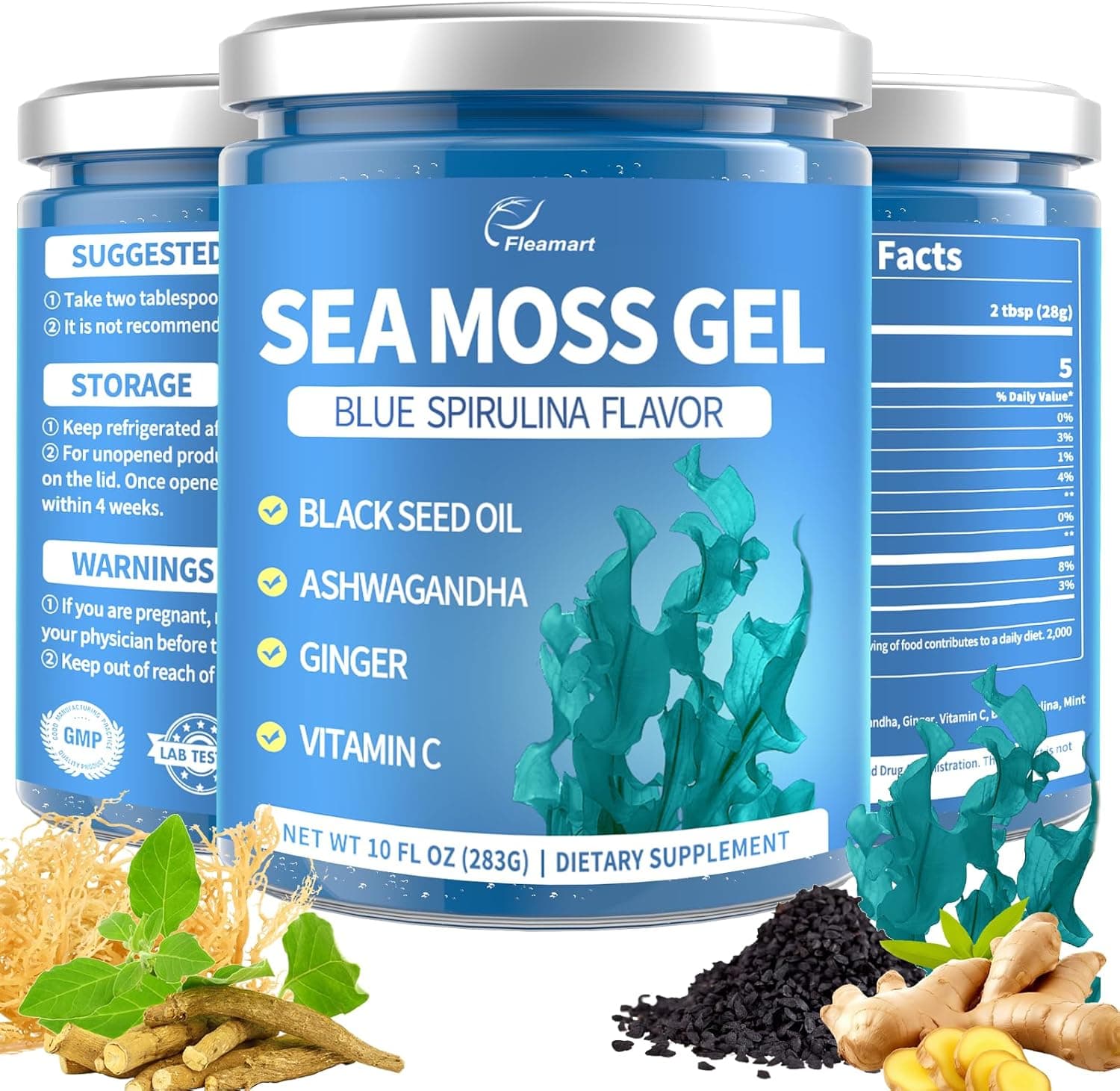
Wildcrafted Irish Sea Moss Capsules – Chondrus Crispus or Sea Moss Advanced with Biotin, Niacinamide, Vitamins – Multimineral Supplement
Sea Moss with Biotin, Niacinamide, Vitamins
Wildcrafted Irish Sea Moss Capsules – Chondru…
Check price on AmazonSome people take Spirulina to support overall health, as it may help boost the immune system and provide sustained energy due to its nutrient density. It is also recognized for its potential to reduce inflammation and support healthy cholesterol levels, though research is ongoing.
When using Spirulina, it is important to choose products from reputable sources to ensure purity, as it can absorb contaminants from water. It is generally considered safe for most adults, but individuals with autoimmune conditions or those taking blood thinners should exercise caution.
Effectiveness and Risk Overview
Condition | Effectiveness | Details |
|---|---|---|
| Antioxidant Activity | Spirulina is rich in antioxidants and has been shown to increase antioxidant defenses in the body, making it highly effective at reducing oxidative stress. | |
| Oxidative Stress Reduction | Spirulina is rich in antioxidants, and numerous studies have shown it effectively reduces oxidative stress, making it a potent antioxidant supplement. | |
| Immune System Support | Spirulina has been shown to enhance immune function by increasing antibody production and activating immune cells, suggesting a strong immune-supporting effect. | |
| Inflammation | Spirulina has anti-inflammatory properties, as evidenced by its ability to reduce inflammatory markers in various studies, suggesting a strong anti-inflammatory effect. | |
| Hyperlipidemia | Spirulina has been shown to significantly reduce triglycerides and LDL cholesterol in various clinical trials, suggesting a strong effect on hyperlipidemia. | |
| Hypertension | Multiple studies have demonstrated that spirulina supplementation can lead to significant reductions in blood pressure, indicating a strong effect. | |
| Fatigue | Some studies indicate spirulina can improve exercise performance and reduce fatigue, though results are mixed and more research is needed. |
Check price on Amazon →#Sponsored