
Combination guide
Can you take Alpha Linolenic Acid and Spirulina together?
Clear guide to benefits, risks, and synergy when combining Alpha Linolenic Acid and Spirulina.
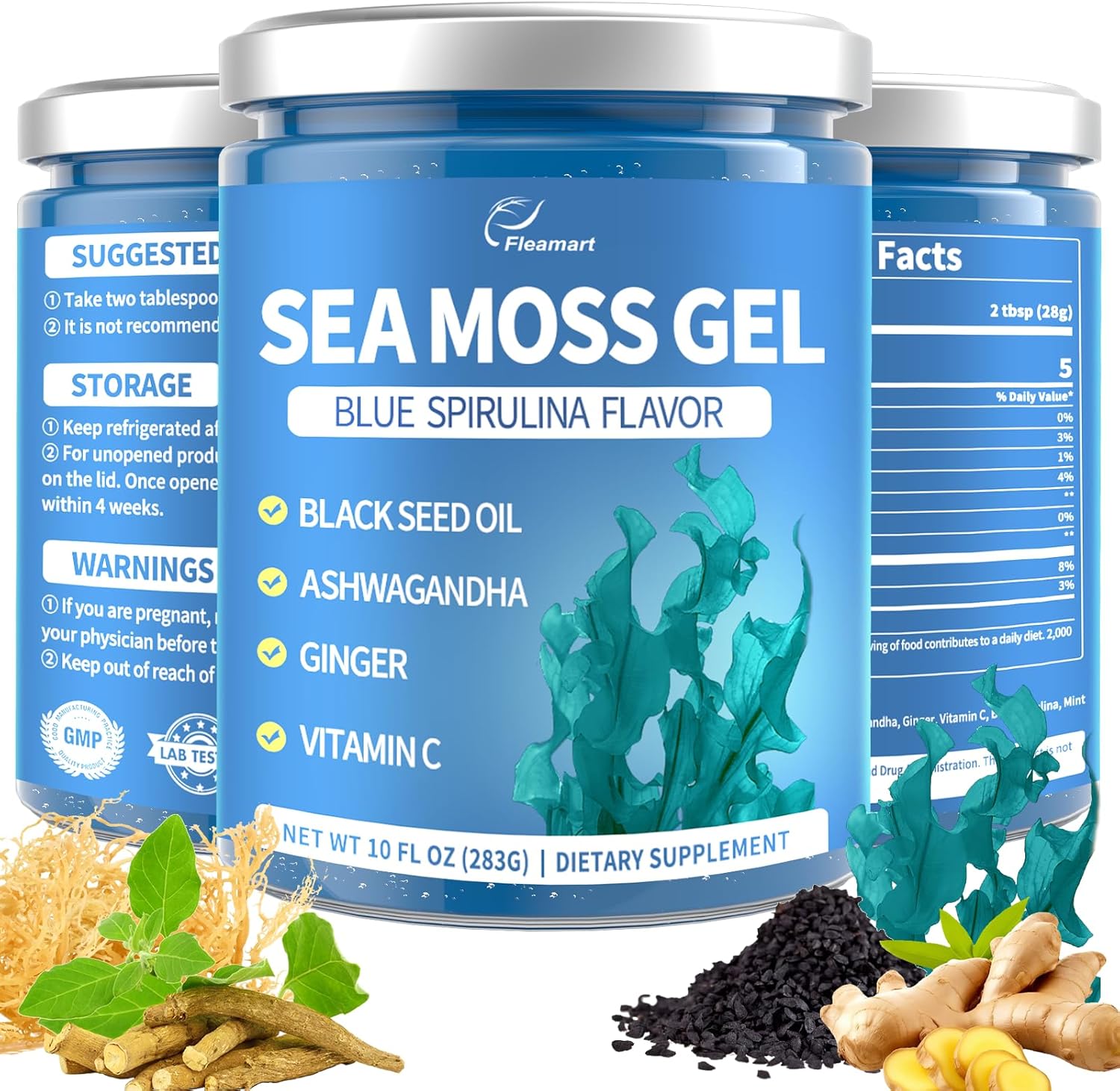
Wildcrafted Irish Sea Moss Capsules – Chondrus Crispus or Sea Moss Advanced with Biotin, Niacinamide, Vitamins – Multimineral Supplement
Sea Moss with Biotin, Niacinamide, Vitamins
Wildcrafted Irish Sea Moss Capsules – Chondru…
Check price on AmazonTaking Alpha Linolenic Acid and Spirulina together offers a safe and logical pairing for daily wellness, as both contribute to reducing inflammation and supporting energy without clashing in the body. Alpha Linolenic Acid delivers plant-based omega-3s that your body converts into anti-inflammatory compounds, while Spirulina provides protein, vitamins, and antioxidants for broad nutritional support. They complement each other in a healthy routine by addressing fatty acid balance and nutrient density, suggesting a rating of 3 out of 5.
The Combined Strategy
By combining Alpha Linolenic Acid and Spirulina, you create a well-rounded approach to nutrition that tackles both essential fatty acid needs and comprehensive nutrient support. Alpha Linolenic Acid focuses on providing omega-3 building blocks for heart health and inflammation control, filling a gap in modern diets low in these fats. Meanwhile, Spirulina steps in with high-quality plant protein, iron, and antioxidants to boost energy, immunity, and detoxification, making this duo ideal for sustained vitality in an active lifestyle.
Body Compatibility
Your body processes Alpha Linolenic Acid as a fat-soluble nutrient, mainly absorbing it in the small intestine alongside dietary fats before the liver converts it into usable forms like EPA and DHA. Spirulina, being a whole-food algae, breaks down in the stomach and releases proteins, vitamins, and minerals that enter the bloodstream through intestinal absorption. These distinct pathways mean they travel separate 'lanes'—fats via lipid transport and nutrients via amino acid carriers—avoiding any competition or metabolic overload for smooth handling together.
How They Interact
Alpha Linolenic Acid works primarily by supplying omega-3 fatty acids that cells incorporate into membranes, helping to dial down inflammation through specialized signaling molecules called eicosanoids. Spirulina operates differently, using its phycocyanin pigment and chlorophyll to neutralize free radicals and support liver detox pathways. With no overlapping mechanisms that could cause interference, they function side-by-side, potentially amplifying overall anti-inflammatory and antioxidant effects without one hindering the other.
Disclaimer: Some links on this site are affiliate links. As an Amazon Associate, qualifying purchases may earn us a commission. This content is for informational purposes only and is not medical advice.