
Selenium is a mineral that functions as an essential nutrient in the human body. It is naturally found in soil and water, and enters the food chain through plants and animals, making it a vital component of a balanced diet.
This element plays a crucial role in various bodily functions. It is a key component of antioxidant enzymes that help protect cells from damage caused by free radicals. Additionally, selenium supports the immune system and is involved in thyroid hormone metabolism, which regulates metabolism, growth, and development.
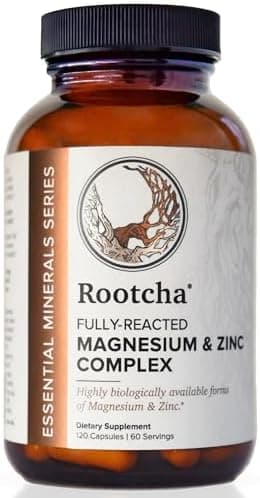
Magnesium & Zinc Complex — Recovery & Immune Support
Two essentials in one: calm muscles at night and steady immune support by day.
Magnesium & Zinc Complex — Recovery & Immune…
Check price on AmazonCommon dietary sources of selenium include Brazil nuts, which are particularly rich in this mineral, as well as seafood, poultry, eggs, and certain grains. Since the body cannot produce selenium, it must be obtained from the diet or supplements.
One of the most beneficial aspects of selenium is its antioxidant properties, which may help reduce the risk of chronic diseases. It is also important for maintaining a healthy thyroid and supporting the immune system to fight off infections. Some studies suggest that adequate selenium intake might be associated with a reduced risk of certain health conditions, though more research is needed.
It is important to note that selenium is essential in small amounts, but excessive intake can be toxic. Therefore, maintaining a balanced intake through a varied diet is generally recommended.
Effectiveness and Risk Overview
Condition | Effectiveness | Details |
|---|---|---|
| Antioxidant Activity | Selenium is a key component of antioxidant enzymes like glutathione peroxidase, which protect cells from oxidative damage. This antioxidant activity is well-supported by scientific evidence. | |
| Oxidative Stress Reduction | Selenium acts as an antioxidant, reducing oxidative stress by neutralizing free radicals. This is supported by numerous studies showing its role in glutathione peroxidase activity. | |
| Immune System Support | Selenium is important for immune function, and deficiency has been linked to impaired immune response. Supplementation can enhance immune function, particularly in individuals with low selenium status. | |
| Thyroid Health | Selenium is crucial for thyroid function, as it is a component of the enzymes that convert T4 to T3. Studies have shown that selenium supplementation can improve thyroid function in individuals with selenium deficiency. | |
| Autoimmune Conditions | Selenium may have a beneficial effect on autoimmune conditions, such as Hashimoto's thyroiditis, by reducing inflammation and modulating the immune response. However, evidence is still emerging. | |
| Cardiovascular Health | Some studies suggest that selenium may have cardiovascular benefits, potentially by reducing oxidative stress and inflammation. However, the evidence is not as strong or consistent as for other antioxidants. | |
| Cognitive Decline | There is some evidence suggesting that selenium may have neuroprotective effects and potentially slow cognitive decline, but more research is needed to confirm this. |
See product on Amazon →#Sponsored