
Combination guide
Can you take Alpha Linolenic Acid and Selenium together?
Clear guide to benefits, risks, and synergy when combining Alpha Linolenic Acid and Selenium.
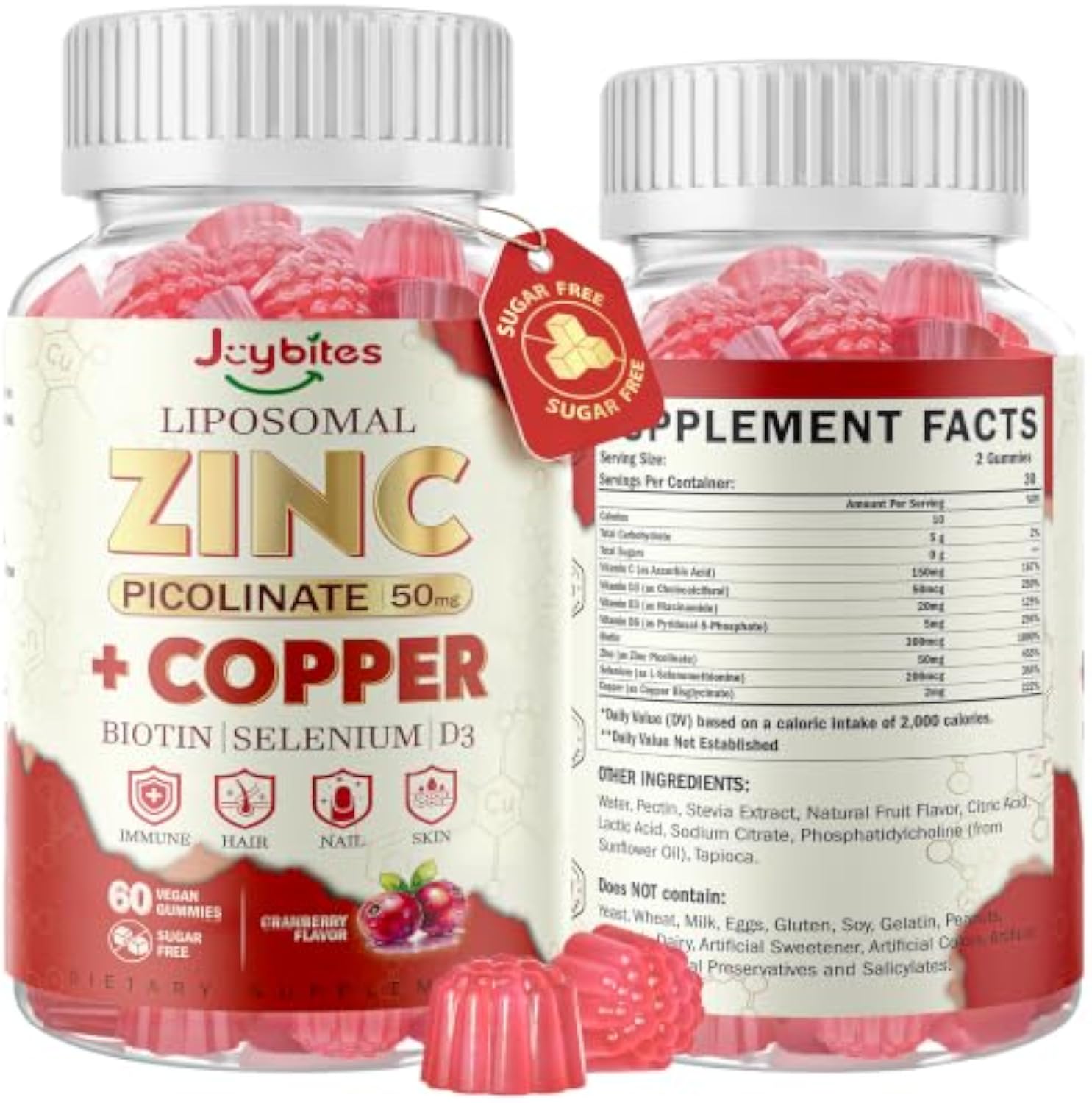
JoyBites Zinc Copper Selenium Gummies
Zinc, copper, and selenium mineral gummies — check price on Amazon.
JoyBites Zinc Copper Selenium Gummies
Check price on AmazonTaking Alpha Linolenic Acid and Selenium together is safe and logical, as both support antioxidant defenses and reduce inflammation through distinct pathways without competing for absorption or causing interference. Alpha Linolenic Acid provides essential omega-3 fats for cell membrane health and heart protection, while Selenium powers key enzymes that neutralize free radicals. This combination fits well into a routine aimed at long-term cellular resilience, suggesting a rating of 3 out of 5.
The Combined Strategy
Pairing Alpha Linolenic Acid with Selenium creates a smart, two-pronged defense against everyday oxidative stress and inflammation. Alpha Linolenic Acid delivers plant-based omega-3s that keep your blood vessels flexible and ease inflammatory responses in tissues like the heart and brain. Meanwhile, Selenium steps in to activate protective enzymes that mop up damaging free radicals throughout your body. Together, they cover immediate fatty acid needs and sustained antioxidant support, making your wellness routine more comprehensive without redundancy.
Body Compatibility
Your digestive system processes these two smoothly because they travel different routes. Alpha Linolenic Acid, a fatty acid, gets absorbed in the small intestine alongside dietary fats and heads to the liver for conversion into longer-chain omega-3s. Selenium, in forms like selenomethionine, enters the bloodstream directly from the gut and distributes to tissues for enzyme incorporation. With no shared transporters or metabolic bottlenecks, they avoid any digestive clashes or reduced uptake, allowing full effectiveness.
How They Interact
Alpha Linolenic Acid influences inflammation by serving as a building block for anti-inflammatory compounds like EPA and DHA, which modulate immune cell activity. Selenium, on the other hand, enables glutathione peroxidase enzymes to break down harmful peroxides and protect cell membranes. Their actions complement rather than overlap—ALA supplies the lipid framework, while Selenium provides the enzymatic shield—ensuring they enhance overall oxidative balance without stepping on each other's processes.
Disclaimer: Some links on this site are affiliate links. As an Amazon Associate, qualifying purchases may earn us a commission. This content is for informational purposes only and is not medical advice.