Ricinoleic Acid is a unique fatty acid primarily found in castor oil, which is derived from the seeds of the castor bean plant. It is the main component of castor oil, making up a significant portion of its composition. This fatty acid has a distinct molecular structure that contributes to its various properties.
As a monounsaturated fatty acid, Ricinoleic Acid is known for its potential benefits in skincare and hair care. It is often valued for its ability to moisturize and nourish the skin, helping to maintain hydration and suppleness. In hair care, it is frequently associated with promoting shine and strength, potentially aiding in reducing breakage and enhancing overall hair health.
Ricinoleic Acid is also recognized for its potential role in supporting the skin's natural barrier function. Its emollient properties can help soften and smooth the skin, making it beneficial for use in cosmetic formulations. Additionally, it may possess mild antimicrobial characteristics, which could contribute to its traditional use in skincare products aimed at maintaining skin balance.
While commonly sourced from castor oil, Ricinoleic Acid is sometimes isolated for use in specialized products. It is important to note that its benefits are often experienced when used as part of castor oil or in formulations where it is a key ingredient. The fatty acid is generally considered stable and compatible with various cosmetic and personal care applications.
Effectiveness and Risk Overview
Condition | Effectiveness | Details |
|---|---|---|
| Constipation | Castor oil, which contains ricinoleic acid, is traditionally used as a laxative to treat constipation, indicating a significant effect on bowel movements. | |
| Irritable Bowel Syndrome (IBS) | The anti-inflammatory and antispasmodic properties of ricinoleic acid may help alleviate symptoms of IBS, such as abdominal pain and bowel irregularity. | |
| Inflammatory Bowel Disease | Ricinoleic acid, a component of castor oil, has been shown to have anti-inflammatory properties that may help in reducing inflammation in the bowel, thus potentially benefiting conditions like inflammatory bowel disease. | |
| Gastrointestinal Motility Issues | Ricinoleic acid may influence gut motility, although the evidence is not as strong as for its anti-inflammatory effects. |
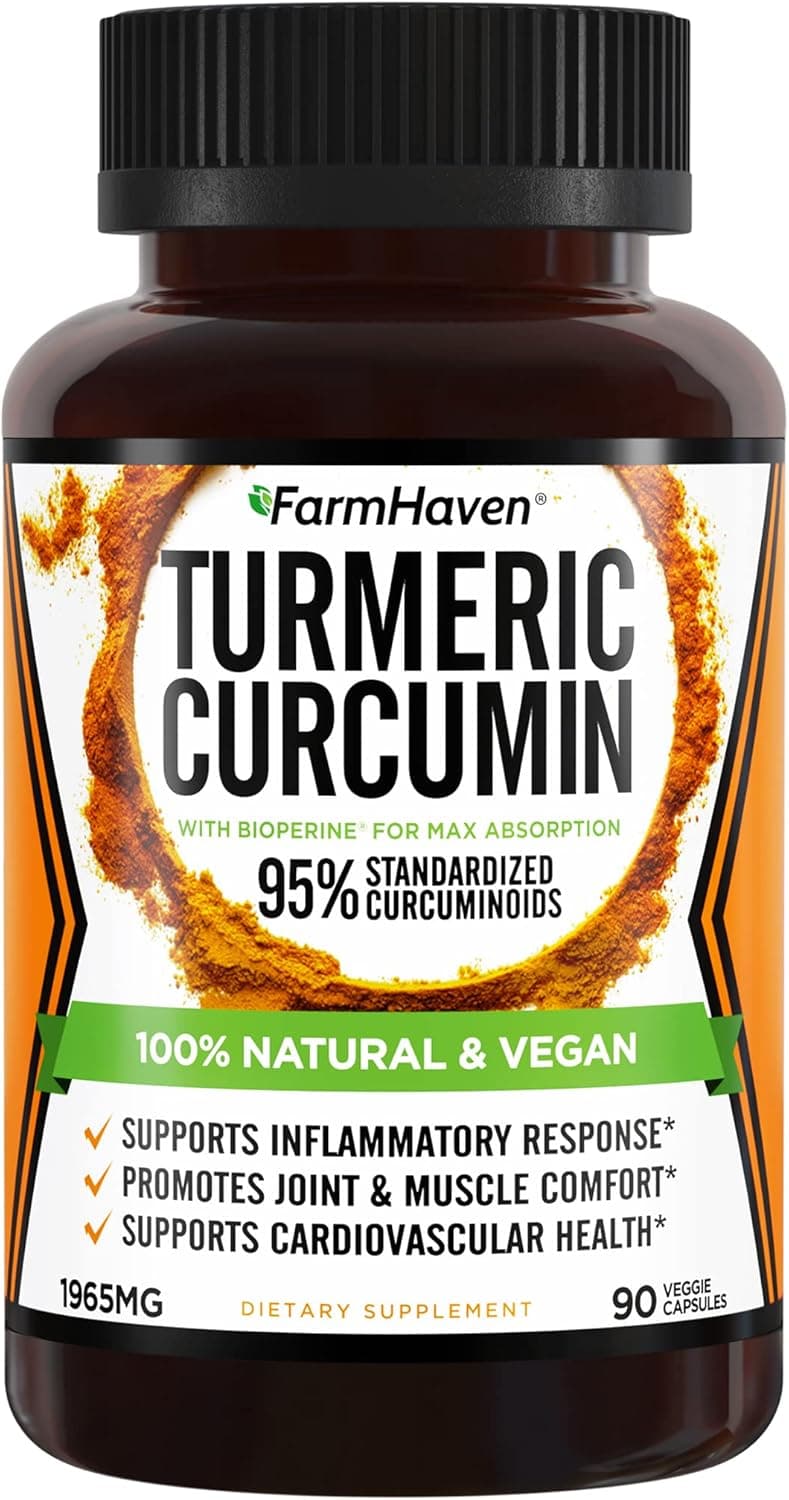
Organic Turmeric Curcumin – 1500mg with 95% Curcuminoids & BioPerine, High Absorption
Turmeric Curcumin with BioPerine Black Pepper & 95% Curcuminoids, 1965mg, Maximum Absorption for Joint Support