
Iodide is a form of the essential mineral iodine, commonly found in dietary sources and supplements. It plays a critical role in maintaining overall health, particularly for thyroid function.
The body requires iodide to produce thyroid hormones, which regulate metabolism, growth, and development. These hormones influence energy levels, body temperature, and organ function. Without sufficient iodide, the thyroid cannot produce adequate amounts of these hormones, potentially leading to health issues.
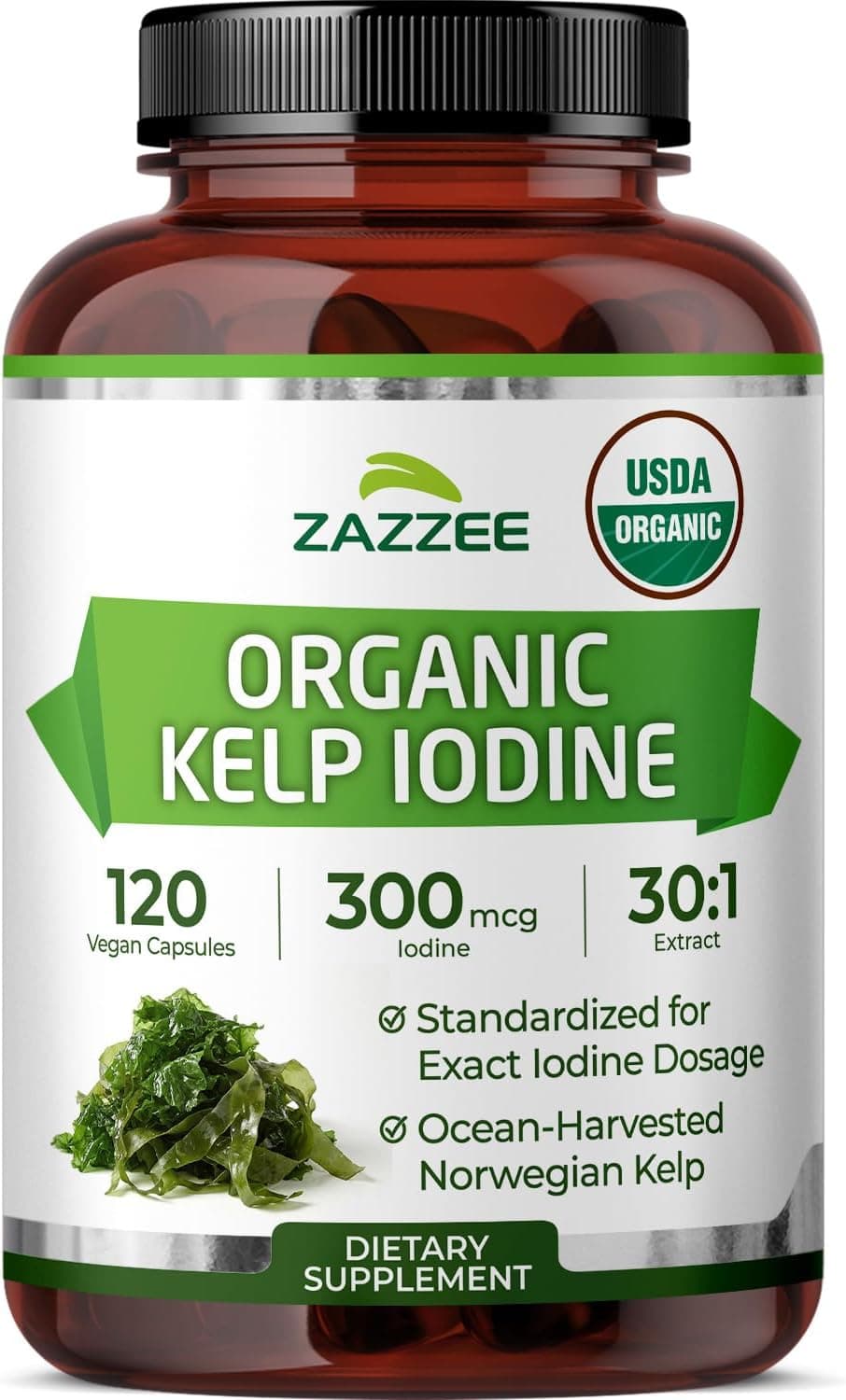
Zazzee USDA Organic Kelp Iodine 30:1 Extract, 300 mcg per Capsule, Vegan | 120 Capsules, 4 Month Supply, Ocean-Harvested Norwegian Kelp, Standardized to 1% Iodine for Exact Dosage, Thyroid Support
Kelp (iodine) — check price on Amazon.
Check price on AmazonZazzee USDA Organic Kelp Iodine 30:1 Extract,…
Check price on AmazonAdequate iodide intake is most beneficial for preventing iodine deficiency disorders. This includes conditions like goiter, an enlargement of the thyroid gland, and hypothyroidism, which can cause fatigue, weight gain, and cognitive impairments. Ensuring sufficient iodide supports normal thyroid activity and helps maintain metabolic balance.
Iodide is naturally present in foods such as seafood, dairy products, eggs, and grains. Many regions fortify table salt with iodide, known as iodized salt, to address dietary gaps. Balanced consumption through diet or supplements helps meet daily requirements and supports thyroid health, especially during pregnancy and childhood for proper development.
Effectiveness and Risk Overview
Condition | Effectiveness | Details |
|---|---|---|
| Iodine Deficiency | Iodide directly addresses iodine deficiency, which is crucial for thyroid function and overall health. The evidence is strong and well-established. | |
| Fetal Brain Development | Iodine is crucial for fetal brain development during pregnancy. Adequate iodide intake is essential to prevent cognitive impairments in children. | |
| Thyroid Health | Iodide is essential for thyroid hormone production. Deficiency can lead to hypothyroidism and goiter. Supplementation has been shown to improve thyroid function in individuals with iodine deficiency. | |
| Thyroid Function Decline | Iodide is necessary for maintaining normal thyroid function. Supplementation can help prevent decline in thyroid function due to iodine deficiency. |
Check price on Amazon →#Sponsored