
Combination guide
Can you take Acai and Iodide together?
Clear guide to benefits, risks, and synergy when combining Acai and Iodide.
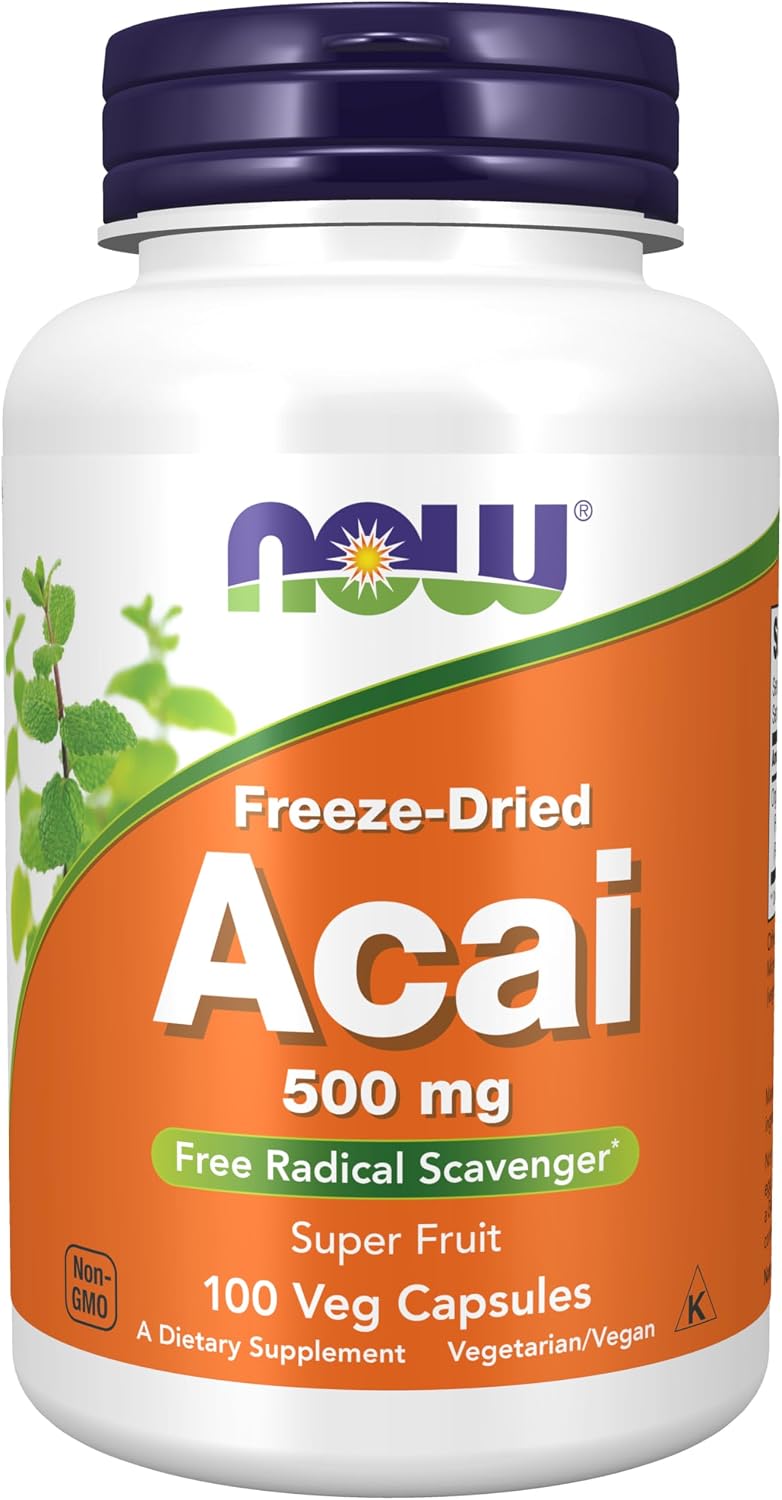
NOW Supplements, Acai 500 mg, Freeze-Dried Super Fruit, 100 Veg Caps
Acai — check price on Amazon.
NOW Supplements, Acai 500 mg, Freeze-Dried Su…
Check price on AmazonTaking Acai and Iodide together offers a safe and logical pairing for overall wellness, as acai provides antioxidant-rich support for cellular protection and energy while iodide bolsters thyroid function and metabolism. They travel separate paths in the body without interference, allowing each to deliver its benefits fully. This neutral compatibility makes them a perfect match for a balanced routine, suggesting a rating of 3 out of 5.
The Combined Strategy
Pairing acai with iodide builds a comprehensive wellness plan that tackles multiple health fronts at once. Acai steps in with its powerhouse antioxidants and fiber to shield cells from daily oxidative wear and support steady energy from better nutrient use. Iodide complements this by fueling thyroid hormone production, which keeps your metabolism running smoothly and helps regulate body temperature and growth. Together, they form a dual-action shield against fatigue and environmental stress, ideal for anyone aiming for sustained vitality in a busy life.
Body Compatibility
The body handles acai and iodide through entirely separate routes, making their combination seamless and efficient. Acai, as a whole-food berry extract, gets digested slowly in the gut where enzymes break down its fibers and polyphenols for gradual absorption into the blood. Iodide zips through the stomach and intestines for rapid uptake, then concentrates in the thyroid without needing complex breakdown. These distinct 'lanes' mean no competition for transporters or digestive resources, so your metabolism processes them side by side without any slowdowns or backups.
How They Interact
Acai and iodide function in non-overlapping ways, ensuring they coexist harmoniously in the body. Acai’s anthocyanins and other compounds trigger antioxidant pathways that neutralize harmful free radicals and ease inflammation at the cellular level. Iodide, meanwhile, directly feeds into thyroid enzyme reactions to synthesize hormones like T3 and T4, which orchestrate energy use and organ function. With no shared receptors or metabolic steps, they perform independently, allowing full expression of each one's effects without one diminishing the other.
Disclaimer: Some links on this site are affiliate links. As an Amazon Associate, qualifying purchases may earn us a commission. This content is for informational purposes only and is not medical advice.