
Copper is an essential mineral that plays a vital role in human health. It is naturally present in many foods and is also available as a dietary supplement. The body requires copper in small amounts to function properly, and it is involved in numerous biochemical processes.
Copper is crucial for the proper functioning of the body. It helps in the absorption and utilization of iron, which is necessary for producing red blood cells and hemoglobin. Additionally, it supports the immune system and aids in the maintenance of healthy bones and connective tissues.
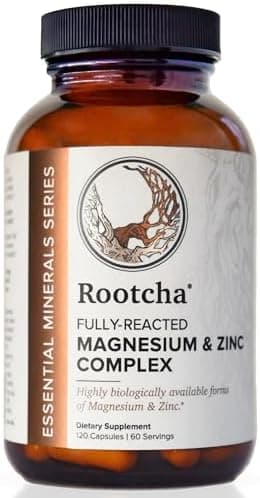
Magnesium & Zinc Complex — Recovery & Immune Support
Two essentials in one: calm muscles at night and steady immune support by day.
Magnesium & Zinc Complex — Recovery & Immune…
Check price on AmazonOne of the key benefits of copper is its role in energy production. It is a component of enzymes that help convert food into energy. Copper also contributes to the healing of wounds and the maintenance of healthy skin and hair. Furthermore, it is important for the development of the nervous system.
Copper can be obtained from various dietary sources, including shellfish, nuts, seeds, whole grains, and organ meats. However, it is important to maintain a balanced intake, as both deficiency and excess can lead to health issues. The body does not produce copper, so it must be obtained from the diet or supplements.
Effectiveness and Risk Overview
Condition | Effectiveness | Details |
|---|---|---|
| Copper Deficiency | Copper supplementation directly addresses copper deficiency, a condition that can lead to various health issues. | |
| Arthritis | Copper's anti-inflammatory properties may help alleviate arthritis symptoms, as suggested by some clinical studies. | |
| Antioxidant Activity | Copper has antioxidant properties, helping to mitigate oxidative stress, as supported by various biochemical studies. | |
| Immune System Support | Copper plays a role in immune function, with evidence suggesting it supports immune system health. | |
| Inflammation | Copper has anti-inflammatory properties, supported by various studies showing its role in reducing inflammation. | |
| Connective Tissue Health | Copper is essential for the health of connective tissues, supported by its role in lysyl oxidase enzyme function. | |
| Osteoporosis | Copper is involved in bone health, and some studies suggest it may help prevent or slow osteoporosis progression, though evidence is not conclusive. |
See product on Amazon →#Sponsored