
Combination guide
Can you take Alpha Linolenic Acid and Copper together?
Clear guide to benefits, risks, and synergy when combining Alpha Linolenic Acid and Copper.
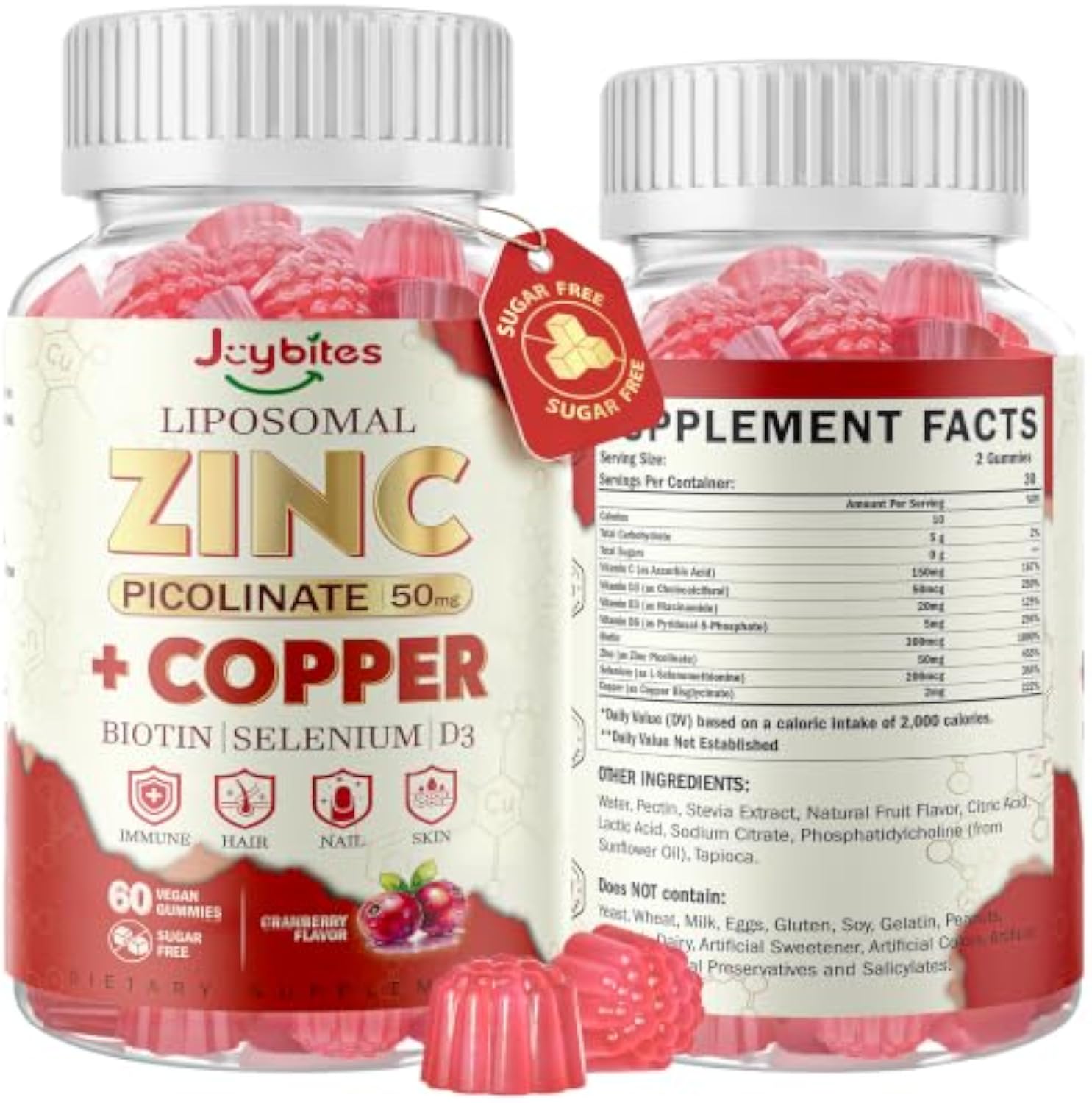
JoyBites Zinc Copper Selenium Gummies
Zinc, copper, and selenium mineral gummies — check price on Amazon.
JoyBites Zinc Copper Selenium Gummies
Check price on AmazonTaking Alpha Linolenic Acid and Copper together is safe and compatible, as they support complementary aspects of health like inflammation control and antioxidant defense without known negative interactions. ALA provides essential fatty acids for cell membrane health, while Copper bolsters enzyme function for energy and tissue repair. This neutral pairing fits well into a balanced supplement routine, suggesting a rating of 3 out of 5.
The Combined Strategy
Pairing Alpha Linolenic Acid with Copper offers a smart, dual-action approach to wellness by tackling inflammation and oxidative stress from different angles. Alpha Linolenic Acid delivers plant-based omega-3 power to smooth out inflammatory responses and support heart-friendly lipid profiles. Meanwhile, Copper fuels vital enzymes that shield cells from damage and aid in building strong connective tissues. Together, they create a well-rounded shield for long-term vitality without overlapping efforts.
Body Compatibility
Your digestive system handles Alpha Linolenic Acid and Copper through separate pathways, ensuring smooth processing. ALA, a fatty acid, gets broken down in the small intestine with the help of bile salts and enzymes, then packaged into chylomicrons for transport via the lymph system into the bloodstream. Copper, a mineral, uses dedicated transporters in the stomach and upper intestine, binding quickly to proteins like ceruloplasmin for safe delivery to cells. These distinct routes mean no absorption clashes or metabolic backups occur.
How They Interact
Alpha Linolenic Acid works mainly by integrating into cell membranes to promote flexibility and trigger anti-inflammatory signals through eicosanoid pathways. Copper, on the other hand, serves as a cofactor for enzymes like superoxide dismutase and cytochrome oxidase, which handle free radical neutralization and energy production in mitochondria. Their actions stay in separate biological lanes—fatty acid modulation versus mineral-dependent catalysis—so they coexist peacefully without competing for resources or causing disruptions.
Disclaimer: Some links on this site are affiliate links. As an Amazon Associate, qualifying purchases may earn us a commission. This content is for informational purposes only and is not medical advice.