
5‑Hydroxytryptophan (5‑HTP) is a naturally occurring compound that the body creates from the essential amino acid tryptophan. It serves as a direct precursor to serotonin, a neurotransmitter that influences mood, sleep, appetite, and pain perception.
After ingestion, 5‑HTP is absorbed into the bloodstream and crosses the blood‑brain barrier, where it is converted into serotonin by the enzyme aromatic L‑amino‑acid decarboxylase. This conversion increases the availability of serotonin in the brain without the need for other co‑factors that are required for tryptophan conversion.
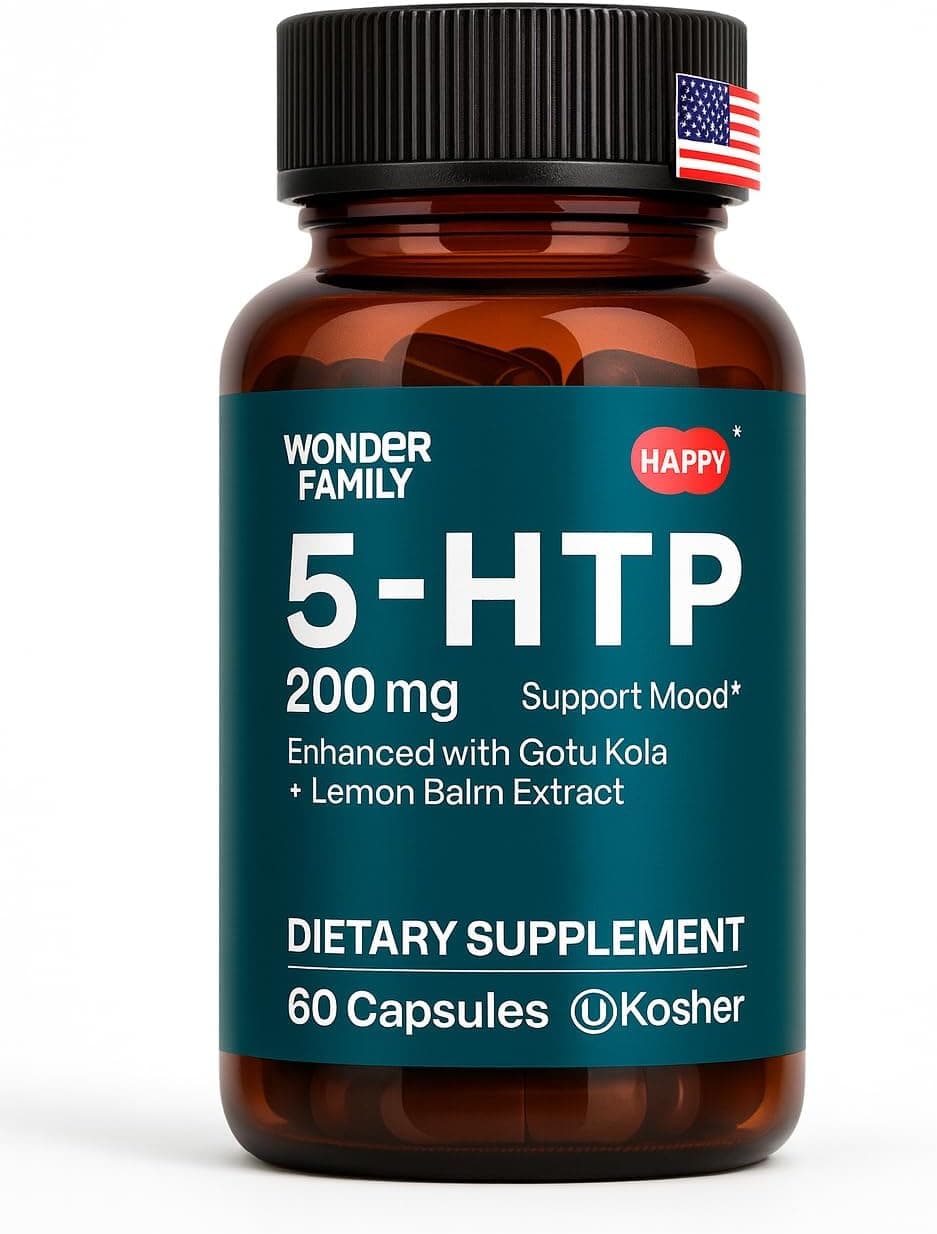
WONDER FAMILY 5-HTP 200mg with Vitamin B6 & Gotu Kola — Mood & Sleep (60 Capsules)
5-HTP with B6 for mood and sleep pathway support — check price on Amazon.
WONDER FAMILY 5-HTP 200mg with Vitamin B6 & G…
Check price on AmazonKey roles of serotonin that are supported by 5‑HTP include regulation of emotional well‑being, promotion of healthy sleep cycles, moderation of appetite and weight control, and modulation of pain signals. Because serotonin acts in many brain regions, changes in its level can have widespread effects on daily functioning.
Typical sources of 5‑HTP include extracts from the seeds of the African plant Griffonia simplicifolia. The compound is also produced in small amounts by the human body during normal metabolism of tryptophan.
Research has associated higher serotonin levels, facilitated by 5‑HTP, with improvements in mood stability, reduced frequency of occasional sleep disturbances, and a healthier balance of appetite signals. Some studies also suggest a role in easing mild tension‑type headaches and a sense of calm during periods of stress.
It is important to recognize that serotonin balance is part of a complex network involving other neurotransmitters and hormones. While 5‑HTP can help boost serotonin production, its effects may vary from person to person depending on overall health, diet, and genetic factors.
Effectiveness and Risk Overview
Condition | Effectiveness | Details |
|---|---|---|
| Depression | 5-HTP (5-Hydroxytryptophan) serves as a direct precursor to serotonin, a key neurotransmitter for mood regulation. Supplementation can increase serotonin levels in the brain, which may help alleviate symptoms of mild to moderate depression, including low mood, loss of interest, and associated sleep disturbances. It is considered a potential alternative or adjunct therapy, particularly for those who do not respond well to or tolerate standard antidepressants. | |
| Insomnia | 5-HTP may improve sleep quality by increasing the synthesis of both serotonin and melatonin, the body's primary sleep-regulating hormone. It can help reduce the time it takes to fall asleep (sleep latency) and may increase the duration of REM sleep. This makes it a useful supplement for individuals with difficulty initiating or maintaining sleep, particularly when sleep issues are related to low serotonin states like depression or anxiety. | |
| Migraines | 5-HTP is used for the prevention (prophylaxis) of migraines and other types of chronic headaches. By increasing and stabilizing central serotonin levels, it may help to raise the threshold for triggering a migraine attack, leading to a reduction in both the frequency and severity of episodes. It is considered an alternative to standard pharmaceutical prophylactic treatments. | |
| Sleep Disorders | 5-HTP may improve sleep quality by increasing the synthesis of both serotonin and melatonin, the body's primary sleep-regulating hormone. It can help reduce the time it takes to fall asleep (sleep latency) and may increase the duration of REM sleep. This makes it a useful supplement for individuals with difficulty initiating or maintaining sleep, particularly when sleep issues are related to low serotonin states like depression or anxiety. | |
| Appetite Regulation | 5-HTP can aid in weight management by promoting a feeling of fullness (satiety), which helps to reduce overall calorie intake. It is particularly noted for its ability to decrease cravings for carbohydrates. By acting on the brain's appetite control centers, it can lead to earlier meal termination and less food consumption without the feeling of restrictive dieting. | |
| Stress and Anxiety | By increasing brain levels of serotonin, a neurotransmitter vital for emotional stability and well-being, 5-HTP may help reduce symptoms of anxiety and panic. It can foster a sense of calm and decrease excessive worry and fear responses. Its use is particularly considered for anxiety that co-occurs with depressive symptoms or in situations where a serotonergic imbalance is suspected. | |
| Weight Management | 5-HTP can aid in weight management by promoting a feeling of fullness (satiety), which helps to reduce overall calorie intake. It is particularly noted for its ability to decrease cravings for carbohydrates. By acting on the brain's appetite control centers, it can lead to earlier meal termination and less food consumption without the feeling of restrictive dieting. |
Check price on Amazon →#Sponsored