
Combination guide
Can you take Vitamin D and Zinc together?
Clear guide to benefits, risks, and synergy when combining Vitamin D and Zinc.
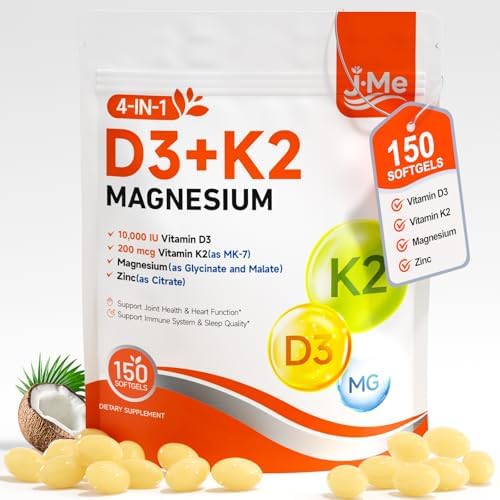
Vitamin D3 + K2 MK-7 with Magnesium — Bone & Immunity
High-potency D3 paired with K2 and magnesium for absorption you can feel.
Vitamin D3 + K2 MK-7 with Magnesium — Bone &…
Check price on AmazonTaking Vitamin D and Zinc together offers high synergy because they complement each other in key areas like immune function and cellular health, with Zinc helping to enhance Vitamin D receptor activity and improve its effectiveness in the body. Your body absorbs them without conflict, allowing both to perform optimally, especially during times of deficiency or stress. This pairing supports broader wellness goals, from stronger immunity to better hormone balance, suggesting a rating of 4 out of 5.
The Combined Strategy
By combining Vitamin D and Zinc, you create a dual-action approach that tackles immune support from multiple angles while also bolstering overall vitality. Vitamin D strengthens your body's defenses against infections by regulating immune cell activity, while Zinc fuels the production and function of those same cells, ensuring they respond quickly and effectively. This partnership covers both long-term resilience, like maintaining healthy bones and mood, and short-term needs, such as fighting off colds, making it a smart addition to daily routines for anyone active or under seasonal stress.
Body Compatibility
The body processes Vitamin D and Zinc through distinct pathways that avoid any bottlenecks. Vitamin D, being fat-soluble, gets absorbed in the small intestine with the help of dietary fats and bile, then converted in the liver and kidneys into its active form. Zinc, a mineral, uses specific transporters in the gut to enter the bloodstream and distribute to cells. Since they rely on different absorption mechanisms and don't compete for the same resources, your metabolism handles them smoothly together, with no risk of one blocking the other.
How They Interact
Vitamin D works by attaching to receptors inside cells to turn genes on or off, influencing calcium use and immune responses. Zinc supports this by acting as a helper in protein folding and signaling pathways that boost those same receptors' sensitivity and number. Rather than clashing, Zinc amplifies Vitamin D's impact, particularly in immune cells where both promote anti-inflammatory effects and pathogen defense. Their mechanisms align in shared goals like gene regulation, allowing seamless teamwork without overlap or interference.
Disclaimer: Some links on this site are affiliate links. As an Amazon Associate, qualifying purchases may earn us a commission. This content is for informational purposes only and is not medical advice.