
Combination guide
Can you take Resveratrol and Sulforaphane Glucosinolate (SGS) together?
Clear guide to benefits, risks, and synergy when combining Resveratrol and Sulforaphane Glucosinolate (SGS).
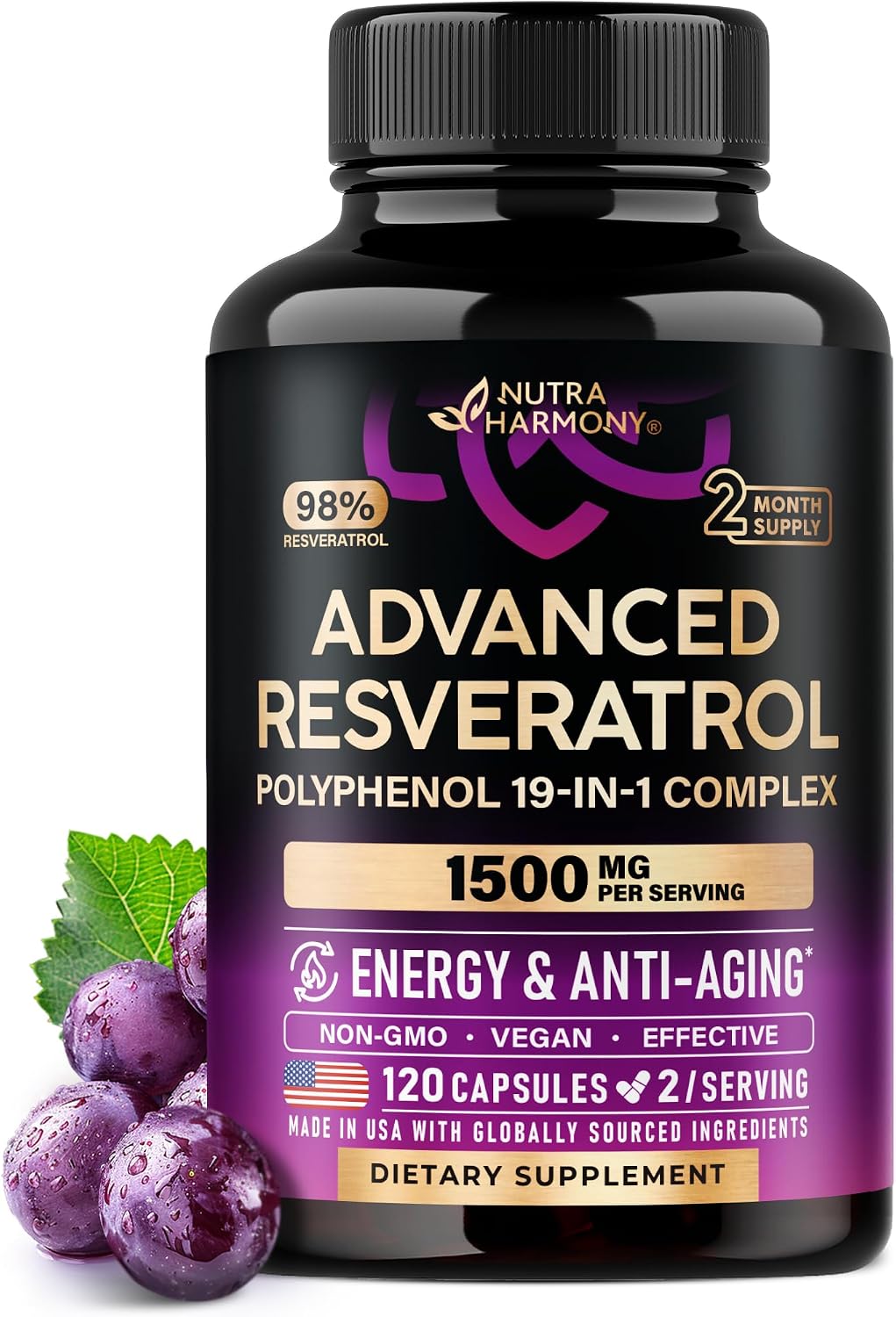
Resveratrol Polyphenol Longevity Complex 19-in-1 (120ct)
Resveratrol polyphenol complex for longevity support — check price on Amazon.
Resveratrol Polyphenol Longevity Complex 19-i…
Check price on AmazonTaking Resveratrol and Sulforaphane Glucosinolate (SGS) together provides complementary antioxidant powerhouses that target different protective pathways in the body. Resveratrol activates sirtuins to mimic calorie restriction and support cellular repair, while SGS converts to sulforaphane to fire up the Nrf2 system for detoxification and inflammation control. They travel separate metabolic routes without clashing, potentially amplifying overall resilience against aging and stress, suggesting a rating of 4 out of 5.
The Combined Strategy
Pairing Resveratrol with Sulforaphane Glucosinolate (SGS) creates a dual-action shield for long-term health. Resveratrol steps in to activate sirtuin proteins, promoting the kind of cellular cleanup and energy efficiency you get from fasting or exercise. Meanwhile, SGS ramps up your body's built-in detox squad via Nrf2 activation, clearing out harmful toxins and oxidative junk. This combo covers both repair work and frontline defense, making your daily routine more robust against everyday wear and tear.
Body Compatibility
Resveratrol hits your system after quick gut absorption, heading straight to the liver for polyphenol breakdown and distribution to cells. SGS, on the other hand, relies on enzymes in your intestines to transform into active sulforaphane, which then slips into the bloodstream for widespread action. These distinct paths—polyphenol processing versus glucosinolate hydrolysis—mean no bottlenecks or competition for transporters. Your body juggles them effortlessly, keeping energy use smooth and avoiding any metabolic overload.
How They Interact
Resveratrol works by latching onto sirtuin enzymes to tweak gene activity, boosting mitochondrial health and longevity signals. SGS triggers the Nrf2 pathway to crank out antioxidant enzymes like glutathione, fortifying cells against damage. Though both fight oxidative stress, their mechanisms don't overlap or cancel each other out—instead, they harmonize by tackling root causes from different angles. This non-competitive teamwork lets them enhance your defenses without stepping on each other's toes.
Disclaimer: Some links on this site are affiliate links. As an Amazon Associate, qualifying purchases may earn us a commission. This content is for informational purposes only and is not medical advice.