Combination guide
Can you take N-Acetyl Cysteine (NAC) and Vitamin C together?
Clear guide to benefits, risks, and synergy when combining N-Acetyl Cysteine (NAC) and Vitamin C.
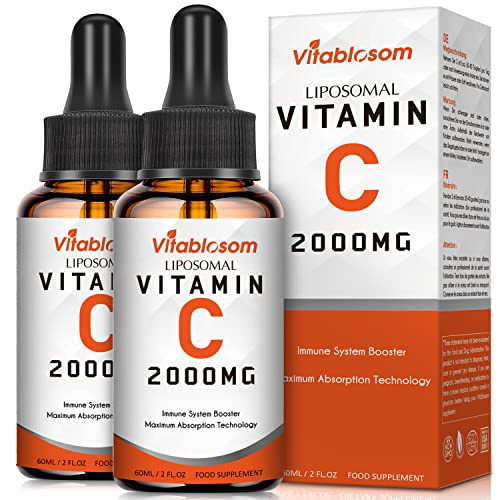
Vitablosom Liposomal Vitamin C 2000mg Liquid
Liposomal vitamin C liquid for antioxidant support — check price on Amazon.
Vitablosom Liposomal Vitamin C 2000mg Liquid
Check price on AmazonTaking N-Acetyl Cysteine (NAC) and Vitamin C together offers high synergy in antioxidant defense, as NAC delivers cysteine to ramp up your body's glutathione production for deep cellular protection, while Vitamin C directly neutralizes free radicals in the bloodstream and helps recycle other antioxidants like glutathione itself. This complementary action amplifies oxidative stress relief, supports detoxification, and bolsters immunity without any absorption conflicts or counteractions, suggesting a rating of 4 out of 5.
The Combined Strategy
Pairing NAC with Vitamin C builds a comprehensive shield for everyday wellness challenges like pollution, exercise recovery, and immune demands. NAC focuses on rebuilding glutathione stores inside cells to handle toxin buildup and inflammation over time. Vitamin C jumps in with immediate free radical scavenging in fluids and tissues, preserving collagen for skin and joint health. This dual-action approach covers both long-term replenishment and short-term defense, making your routine more effective against oxidative wear.
Body Compatibility
The body absorbs and processes NAC and Vitamin C via distinct routes, avoiding any bottlenecks. NAC travels through amino acid transporters in the small intestine, quickly reaching the liver where it fuels glutathione synthesis without lingering. Vitamin C relies on sodium-vitamin C cotransporters for rapid bloodstream entry, then distributes to cells and is excreted in urine if excess. These separate 'highways' ensure full uptake for both, with no competition for enzymes or carriers during digestion or metabolism.
How They Interact
NAC operates by supplying cysteine to boost glutathione, your cells' primary antioxidant that neutralizes toxins from within. Vitamin C works extracellularly, donating electrons to quench free radicals and regenerating glutathione or vitamin E to extend their lifespan. Rather than overlapping, their mechanisms team up—NAC stocks the arsenal, Vitamin C keeps it firing—resulting in greater overall reduction of oxidative damage without mutual interference.
Disclaimer: Some links on this site are affiliate links. As an Amazon Associate, qualifying purchases may earn us a commission. This content is for informational purposes only and is not medical advice.