
Combination guide
Can you take N-Acetyl Cysteine (NAC) and TUDCA together?
Clear guide to benefits, risks, and synergy when combining N-Acetyl Cysteine (NAC) and TUDCA.
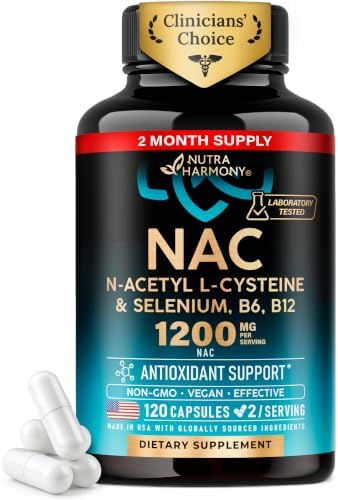
NAC with Selenium, B6 & B12 — Antioxidant Defense
L-Cysteine — check price on Amazon.
NAC with Selenium, B6 & B12 — Antioxidant Def…
Check price on AmazonTaking N-Acetyl Cysteine (NAC) and TUDCA together provides complementary liver support by addressing oxidative stress with NAC's glutathione boost and bile flow issues with TUDCA's cell-protecting effects. They travel through the body via distinct pathways without competition, allowing their benefits to add up for better detox and resilience during stress or toxin exposure. This high compatibility and shared goal of liver health suggest a rating of 4 out of 5.
The Combined Strategy
Pairing NAC and TUDCA creates a comprehensive shield for your liver, hitting oxidative damage and bile stagnation from different sides. NAC steps in to rebuild glutathione stores, your body's master antioxidant that mops up free radicals from daily toxins or poor diet. Meanwhile, TUDCA smooths out bile production and flow, preventing fat buildup and cell stress that can lead to inflammation. Together, they offer a well-rounded routine for anyone pushing their body with workouts, alcohol, or meds, turning reactive detox into proactive maintenance.
Body Compatibility
NAC starts its journey in your stomach and small intestine, where it's quickly absorbed as an amino acid derivative and shuttled to the liver for glutathione conversion. TUDCA, being a water-soluble bile acid, gets taken up directly by liver cells through specialized transporters and recycled in the gut-liver loop. These separate routes mean no clogging—NAC doesn't compete with TUDCA's bile pathways, and neither burdens the kidneys heavily. Your body processes them smoothly side-by-side, with minimal strain even at standard doses.
How They Interact
NAC works mainly by supplying cysteine to ramp up glutathione, which neutralizes reactive oxygen species damaging liver cells. TUDCA operates differently, easing endoplasmic reticulum stress and blocking cell death signals while enhancing bile solubility for toxin removal. Their actions don't overlap or cancel out; instead, NAC handles the antioxidant cleanup while TUDCA keeps liver cells structurally sound. This non-interfering teamwork lets both shine, amplifying protection against common liver stressors like poor diet or medications.
Disclaimer: Some links on this site are affiliate links. As an Amazon Associate, qualifying purchases may earn us a commission. This content is for informational purposes only and is not medical advice.