
Combination guide
Can you take N-Acetyl Cysteine (NAC) and Tauroursodeoxycholic Acid together?
Clear guide to benefits, risks, and synergy when combining N-Acetyl Cysteine (NAC) and Tauroursodeoxycholic Acid.
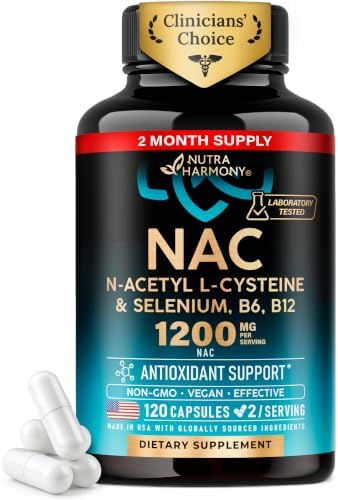
NAC with Selenium, B6 & B12 — Antioxidant Defense
L-Cysteine — check price on Amazon.
NAC with Selenium, B6 & B12 — Antioxidant Def…
Check price on AmazonTaking N-Acetyl Cysteine (NAC) and Tauroursodeoxycholic Acid together offers high compatibility and complementary benefits for liver health and cellular protection. NAC replenishes glutathione to combat oxidative stress from toxins, while Tauroursodeoxycholic Acid supports bile flow, reduces endoplasmic reticulum stress, and prevents cell damage. Their distinct yet synergistic actions enhance detoxification without interference, suggesting a rating of 4 out of 5.
The Combined Strategy
Pairing NAC with Tauroursodeoxycholic Acid creates a dual-action defense for your liver and overall cellular health. NAC steps in to rebuild glutathione stores, your body's frontline antioxidant that neutralizes everyday toxins from food, air, and stress. Tauroursodeoxycholic Acid complements this by ensuring smooth bile production and flow, which helps flush out waste and fats efficiently. Together, they cover oxidative cleanup and bile pathway maintenance, forming a well-rounded routine for long-term vitality and resilience against environmental challenges.
Body Compatibility
Your digestive system processes NAC rapidly in the small intestine, where it's broken down into cysteine and sent to the liver for glutathione production. Tauroursodeoxycholic Acid, as a modified bile acid, gets absorbed further down in the ileum and enters the enterohepatic circulation for recycling by the liver and gallbladder. These separate routes avoid competition for transporters or enzymes, so neither slows the other's uptake or metabolism. This smooth journey ensures both reach their targets effectively without causing digestive backups or overload.
How They Interact
NAC works mainly through redox pathways, donating cysteine to ramp up glutathione synthesis and protect cells from free radical damage during detoxification. Tauroursodeoxycholic Acid operates via stress-response mechanisms, acting as a chaperone to ease endoplasmic reticulum folding issues and block apoptosis signals in stressed liver cells. Their actions don't overlap or counteract—NAC handles the antioxidant load, while Tauroursodeoxycholic Acid bolsters bile-mediated export and survival signals. This independence allows them to amplify liver protection simultaneously.
Disclaimer: Some links on this site are affiliate links. As an Amazon Associate, qualifying purchases may earn us a commission. This content is for informational purposes only and is not medical advice.