Combination guide
Can you take Monolaurin and Myristic Acid together?
Clear guide to benefits, risks, and synergy when combining Monolaurin and Myristic Acid.
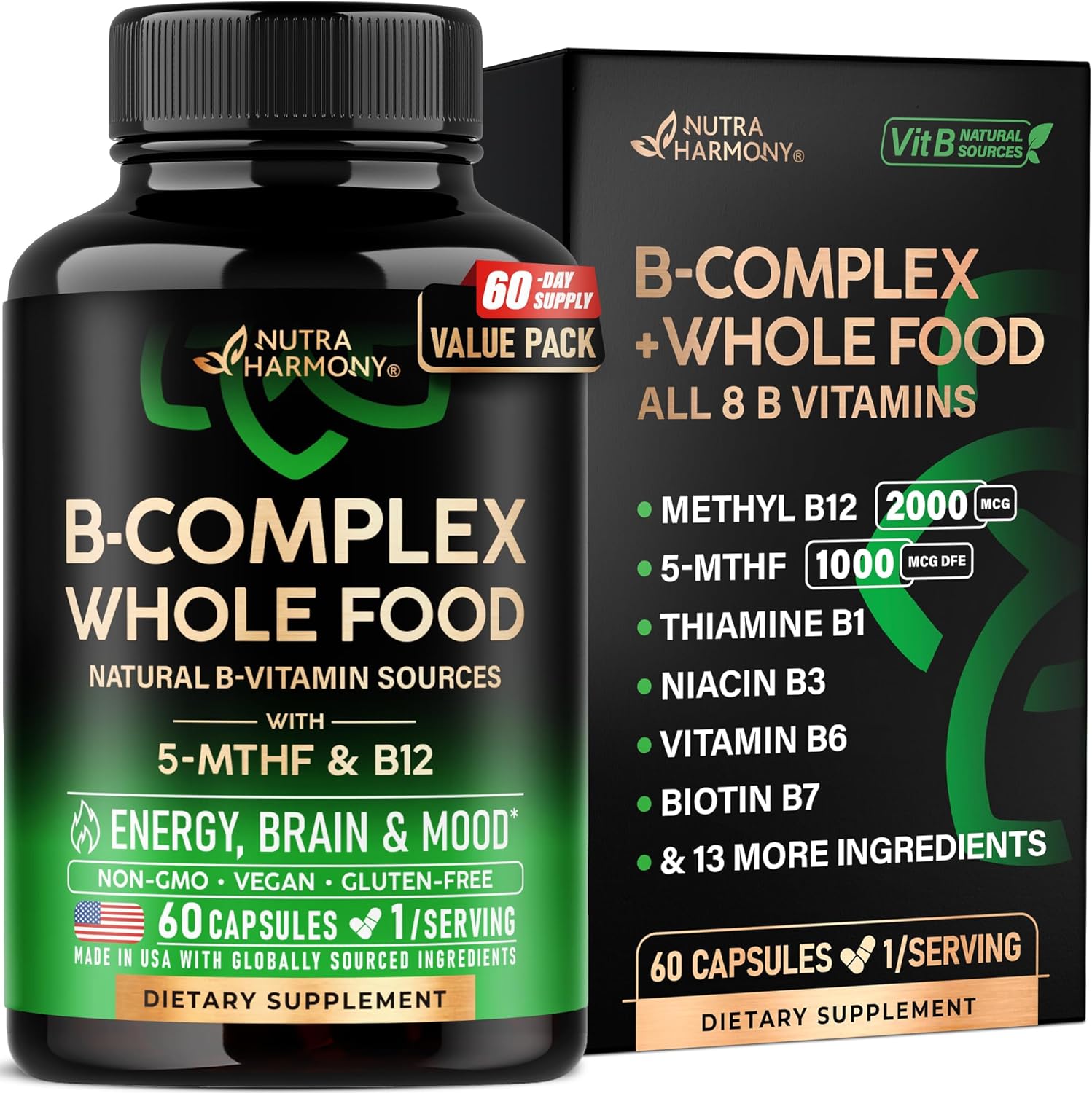
Vitamin B Complex - B1 | B2 | B3 | B5 | B6 | Biotin | B12
Vitamins — check price on Amazon.
Vitamin B Complex - B1 | B2 | B3 | B5 | B6 |…
Check price on AmazonTaking Monolaurin and Myristic Acid together provides high synergy for antimicrobial defense, as both compounds target pathogen membranes in complementary ways—Monolaurin excels at lysing viral envelopes and gram-positive bacteria, while Myristic Acid disrupts bacterial fluidity and supports immune signaling. Derived from coconut oil, they share metabolic pathways without competition, enhancing overall pathogen resistance and gut health in a natural, well-tolerated duo that amplifies each other's effects, suggesting a rating of 4 out of 5.
The Combined Strategy
Pairing Monolaurin and Myristic Acid creates a powerful dual-action strategy for immune support and microbial balance. Monolaurin tackles enveloped viruses and tough bacteria right in your gut, providing immediate defense. Meanwhile, Myristic Acid bolsters cell membrane health and adds broad antibacterial coverage, ensuring long-term resilience. Together, they form a comprehensive shield that addresses both acute threats and daily maintenance, fitting seamlessly into a proactive wellness routine.
Body Compatibility
Your body processes these lipids smoothly through shared but non-competitive pathways. In the gut, bile emulsifies both for absorption into intestinal cells, where Monolaurin acts locally before entering the lymph. Myristic Acid travels via chylomicrons to the bloodstream for energy use or storage. Their similar fatty acid nature prevents metabolic clashes, allowing efficient handling without digestive overload or nutrient interference.
How They Interact
Monolaurin penetrates and solubilizes lipid envelopes of viruses and bacteria, causing them to burst. Myristic Acid, meanwhile, embeds in microbial membranes, increasing rigidity and impairing function. These distinct yet complementary mechanisms amplify disruption without overlap or antagonism. Biologically, they enhance each other's pathogen-killing potential while leaving human cells unaffected due to cholesterol stabilization.
Disclaimer: Some links on this site are affiliate links. As an Amazon Associate, qualifying purchases may earn us a commission. This content is for informational purposes only and is not medical advice.