
Combination guide
Can you take Microcrystalline Hydroxyapatite Concentrate (MCHC) and Silica together?
Clear guide to benefits, risks, and synergy when combining Microcrystalline Hydroxyapatite Concentrate (MCHC) and Silica.
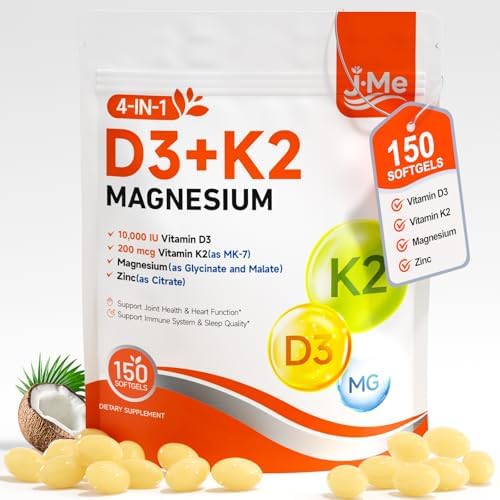
Vitamin D3 + K2 MK-7 with Magnesium — Bone & Immunity
High-potency D3 paired with K2 and magnesium for absorption you can feel.
Vitamin D3 + K2 MK-7 with Magnesium — Bone &…
Check price on AmazonTaking Microcrystalline Hydroxyapatite Concentrate (MCHC) and Silica together creates a complementary duo for bone and connective tissue health. MCHC provides a natural source of calcium, phosphorus, and other bone minerals in a highly bioavailable form that mimics human bone composition. Silica strengthens the collagen matrix and supports tissue flexibility, allowing the minerals to integrate effectively. This high synergy enhances overall skeletal resilience without any negative interactions, suggesting a rating of 4 out of 5.
The Combined Strategy
Pairing MCHC with silica offers a smart, two-pronged strategy for long-term skeletal wellness that goes beyond basic supplementation. MCHC delivers the mineral powerhouse—calcium, phosphorus, magnesium, and trace elements—directly fueling bone density and repair like a natural scaffold filler. Silica steps in to bolster the softer side, ramping up collagen production for flexible joints, strong nails, and resilient skin. This duo covers the full spectrum of bone health, from rigid strength to elastic support, making your daily routine more robust against wear and tear.
Body Compatibility
Your digestive system handles MCHC like a familiar meal, breaking it down in the stomach and small intestine to release minerals that enter the blood for bone targeting. Silica travels a smoother path, dissolving into orthosilicic acid for rapid uptake in the gut and distribution to tissues via the bloodstream. These separate journeys mean no bottlenecks—MCHC uses mineral transport channels while silica rides protein synthesis lanes—ensuring smooth metabolism and full utilization without digestive strain or nutrient clashes.
How They Interact
MCHC integrates into bones by supplying hydroxyapatite precursors that osteoblasts weave into the mineral phase for hardness. Silica operates upstream, stimulating fibroblasts and osteoblasts to produce and cross-link collagen, forming the flexible framework that anchors those minerals. Their mechanisms dovetail perfectly in bone remodeling: silica builds the stage, MCHC fills it densely, with no overlapping competition or blocking, allowing simultaneous enhancement of structure and strength.
Disclaimer: Some links on this site are affiliate links. As an Amazon Associate, qualifying purchases may earn us a commission. This content is for informational purposes only and is not medical advice.