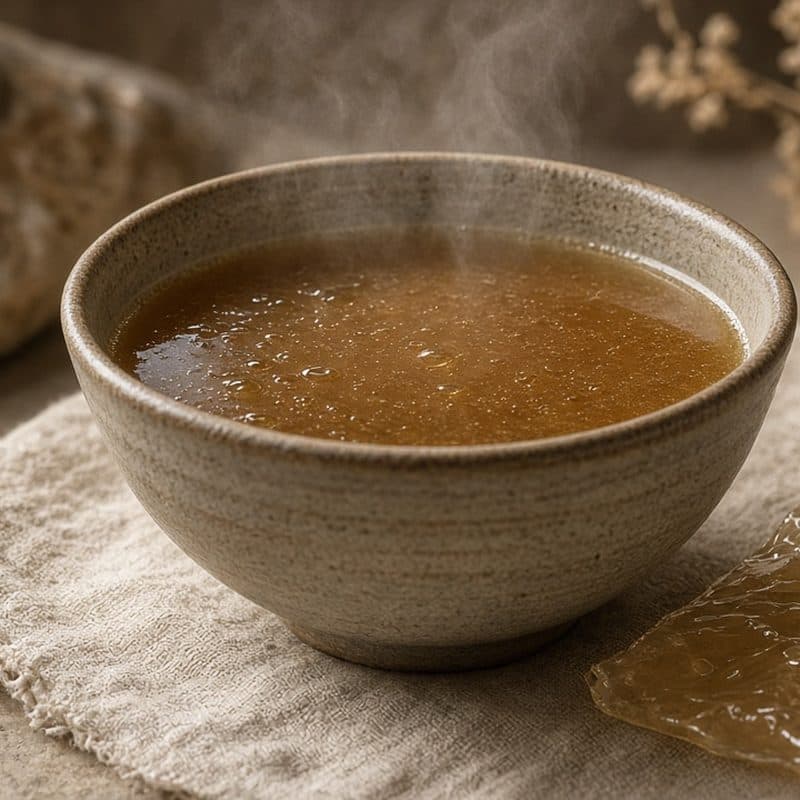
Combination guide
Can you take Marine Collagen Type I and Vitamin C together?
Clear guide to benefits, risks, and synergy when combining Marine Collagen Type I and Vitamin C.
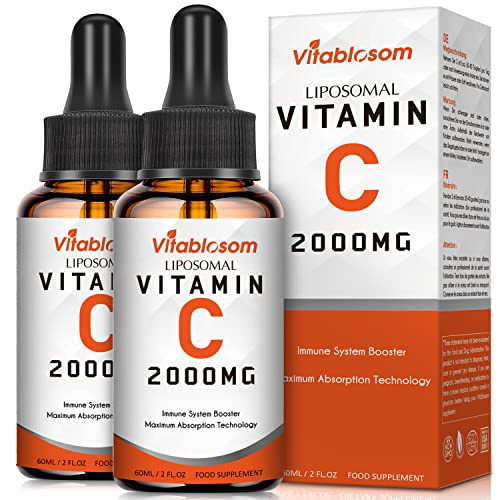
Vitablosom Liposomal Vitamin C 2000mg Liquid
Liposomal vitamin C liquid for antioxidant support — check price on Amazon.
Vitablosom Liposomal Vitamin C 2000mg Liquid
Check price on AmazonTaking Marine Collagen Type I and Vitamin C together creates a powerhouse combination for tissue health because Vitamin C acts as an essential cofactor in collagen synthesis, helping enzymes hydroxylate proline and lysine to form stable collagen structures. Marine Collagen provides ready-to-use peptides that your body incorporates into skin, joints, and connective tissues, while Vitamin C supercharges this process for better absorption and effectiveness. This chemical synergy leads to improved skin elasticity, joint support, and faster repair, suggesting a rating of 5 out of 5.
The Combined Strategy
Pairing Marine Collagen Type I with Vitamin C offers a smart, dual-action strategy for long-term beauty and mobility. Marine Collagen delivers key amino acids like glycine and proline directly to your skin and joints, acting as raw materials for repair. Vitamin C steps in as the activator, ensuring these materials form strong, resilient structures. Together, they tackle both the supply side and the assembly line of collagen production, creating a complete wellness approach that supports daily vitality and aging gracefully.
Body Compatibility
Your digestive system processes Marine Collagen Type I and Vitamin C along smooth, separate paths with no bottlenecks. Collagen peptides break down quickly in the stomach and small intestine into absorbable fragments that enter the blood for delivery to tissues. Vitamin C absorbs rapidly in the intestines as a water-soluble nutrient, traveling to cells to fuel enzymes. Their distinct routes—structural proteins versus vitamin support—mean no competition for uptake, allowing both to reach their targets efficiently and safely every time.
How They Interact
Marine Collagen Type I works by supplying bioactive peptides that stimulate fibroblasts to build new connective tissue in skin and joints. Vitamin C enhances this by donating electrons to hydroxylase enzymes, which add strength-stabilizing groups to collagen molecules. This precise teamwork turns basic peptides into durable fibers without overlap or conflict. Their mechanisms complement perfectly, with Vitamin C amplifying collagen's impact for superior results in repair and maintenance.
Disclaimer: Some links on this site are affiliate links. As an Amazon Associate, qualifying purchases may earn us a commission. This content is for informational purposes only and is not medical advice.