Combination guide
Magnesium and Zinc Together: Benefits, Dose & Timing
Clear guide to benefits, risks, and synergy when combining Magnesium and Zinc.
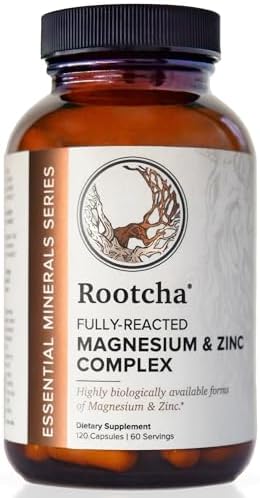
Magnesium & Zinc Complex — Recovery & Immune Support
Two essentials in one: calm muscles at night and steady immune support by day.
Magnesium & Zinc Complex — Recovery & Immune…
Check price on AmazonTaking Magnesium and Zinc together offers complementary health support for sleep, muscles, and immunity, but they compete for the same absorption transporters in the intestines, potentially reducing how much of each your body actually takes in. This interaction means you might need higher doses or to space them out for optimal results, as simultaneous intake can limit bioavailability without causing harm. Overall, the mild absorption interference makes this a suboptimal pairing, suggesting a rating of 1 out of 5.
The Combined Strategy
Pairing Magnesium and Zinc creates a broad wellness approach by addressing relaxation and recovery alongside immune strength. Magnesium targets muscle tension and sleep quality, helping you unwind after a long day, while Zinc fortifies defenses against illness and supports hormone production. Though absorption competition exists, spacing doses—like Magnesium at night and Zinc in the morning—allows you to harness their unique roles for sustained energy and resilience throughout your routine.
Body Compatibility
Your digestive system absorbs Magnesium primarily in the small intestine through TRPM6 channels, pulling it into cells for energy and nerve function. Zinc follows a similar route using ZIP transporters, but the overlap creates competition during high-intake moments. This rivalry slows uptake for both, yet your body regulates it well with food buffers or moderate amounts, preventing backups and ensuring they metabolize safely without toxicity buildup.
How They Interact
Magnesium binds to enzymes for muscle relaxation and over 300 reactions, calming the nervous system without immune involvement. Zinc powers protein synthesis and white blood cell activity, focusing on repair and infection fighting. Their paths cross only at gut absorption, where they jostle for transporters, but once inside, they operate independently—no direct blocking of each other's cellular jobs occurs downstream.
Disclaimer: Some links on this site are affiliate links. As an Amazon Associate, qualifying purchases may earn us a commission. This content is for informational purposes only and is not medical advice.