Combination guide
Magnesium and Melatonin Together: Sleep Support & Timing
Clear guide to benefits, risks, and synergy when combining Magnesium and Melatonin.
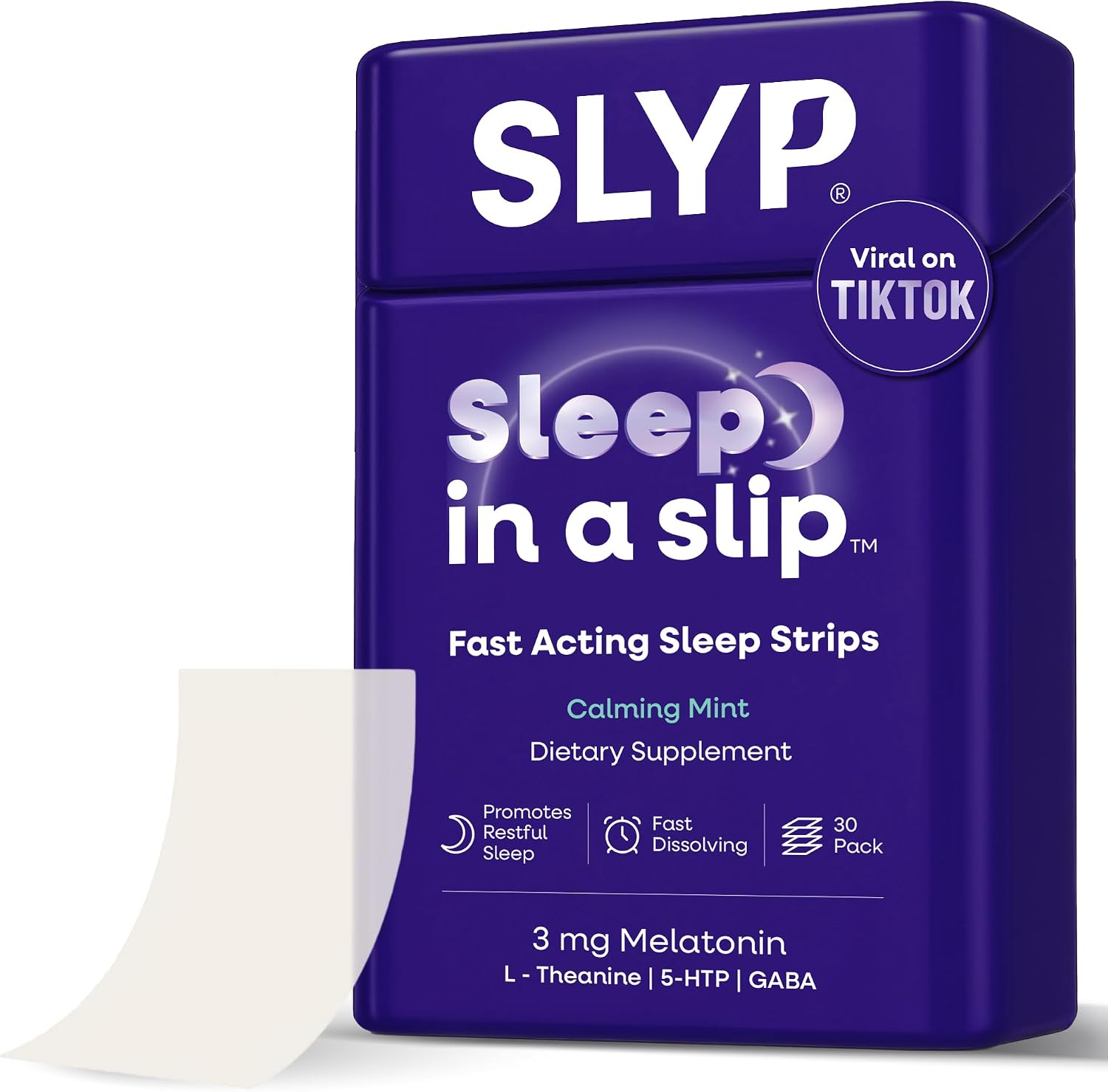
Slyp Fast-Dissolving Melatonin Sleep Strips 3mg with L-Theanine & GABA (30 Strips)
Fast-dissolve melatonin sleep strips — check price on Amazon.
Slyp Fast-Dissolving Melatonin Sleep Strips 3…
Check price on AmazonTaking Magnesium and Melatonin together offers high synergy for sleep support, as Magnesium calms the nervous system and aids melatonin production while Melatonin directly regulates sleep-wake cycles, with full safety and complementary effects suggesting a rating of 4 out of 5.
The Combined Strategy
Combining Magnesium and Melatonin creates a powerful dual-action approach to better sleep and recovery. Magnesium tackles physical tension by relaxing muscles and quieting overactive nerves, setting the stage for rest. Melatonin then steps in to sync your body's internal clock, signaling it's time to wind down. Together, they address both the 'body readiness' and 'brain timing' aspects of sleep, forming a complete nighttime wellness strategy that outperforms either alone.
Body Compatibility
The body processes Magnesium mainly through the intestines, where it's absorbed into the bloodstream and used by cells for energy and nerve function. Melatonin, taken orally, dissolves quickly in the stomach and gets absorbed rapidly into the blood, crossing into the brain effortlessly. These distinct pathways mean no competition for uptake or metabolism, allowing both to reach their targets efficiently without digestive overload or delays.
How They Interact
Magnesium works by boosting calming neurotransmitters like GABA and blocking excitatory signals in the brain and muscles. Melatonin binds to specific receptors that lower alertness and body temperature to initiate sleep. Their mechanisms complement each other—Magnesium enhances the environment for Melatonin's sleep signaling—without overlapping or clashing, enabling them to amplify restful effects simultaneously.
Disclaimer: Some links on this site are affiliate links. As an Amazon Associate, qualifying purchases may earn us a commission. This content is for informational purposes only and is not medical advice.