
Combination guide
Magnesium Glycinate and Vitamin D Together: Synergy & Dose
Clear guide to benefits, risks, and synergy when combining Magnesium Glycinate and Vitamin D.
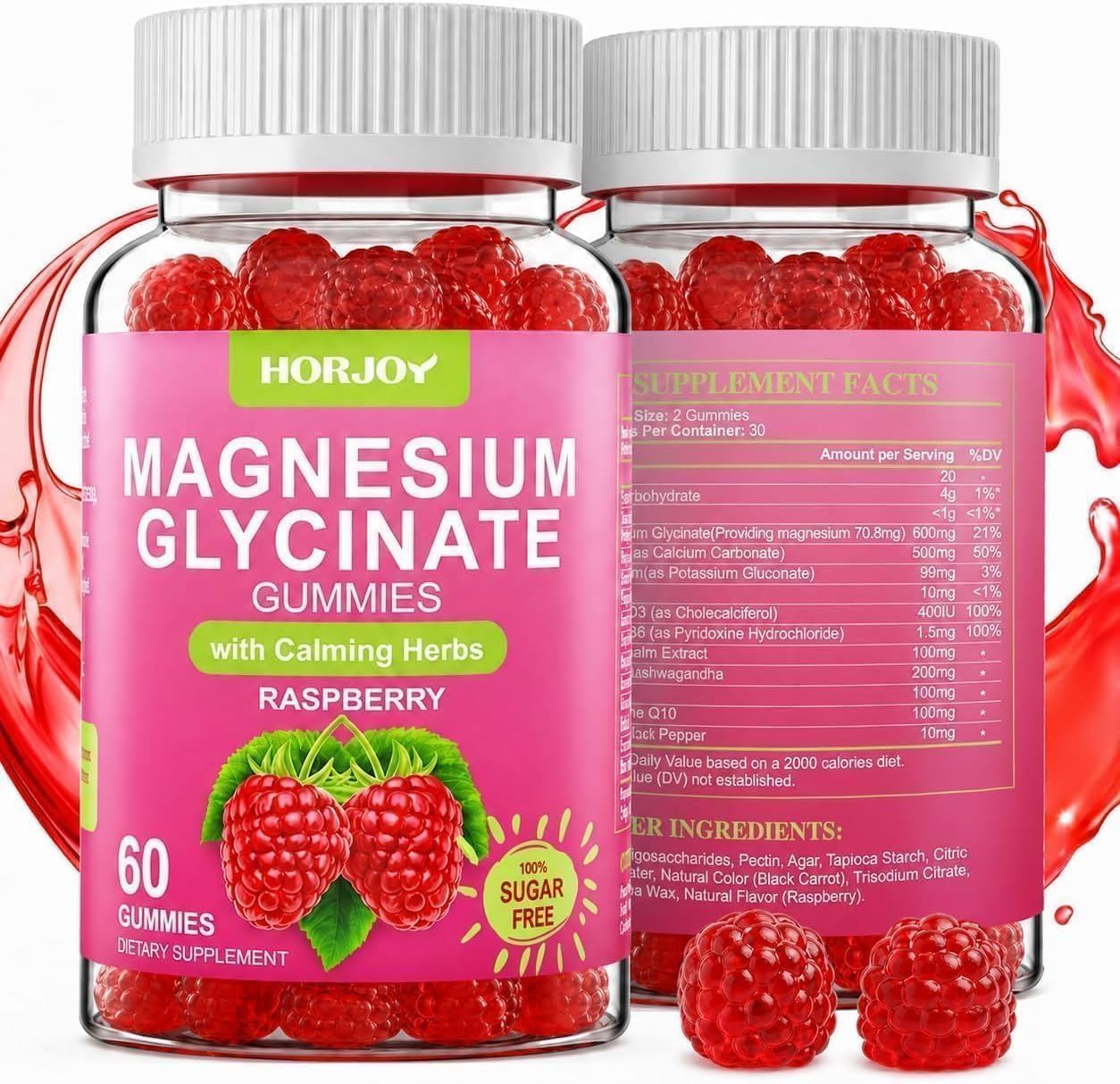
HORJOY Magnesium Glycinate Gummies 600mg — Sugar-Free Raspberry Chelated (60 Count)
Chelated magnesium glycinate gummies for calm muscles and sleep support — check price on Amazon.
HORJOY Magnesium Glycinate Gummies 600mg — Su…
Check price on AmazonTaking Magnesium Glycinate and Vitamin D together creates a powerful chemical synergy, as magnesium serves as an essential cofactor for the enzymes that convert vitamin D into its active form in the liver and kidneys. This boosts vitamin D's effectiveness for calcium absorption, bone health, immunity, and muscle function, while vitamin D helps maintain magnesium balance. They complement each other without competition or side effects, suggesting a rating of 5 out of 5.
The Combined Strategy
Pairing Magnesium Glycinate with Vitamin D offers a smart, multi-layered approach to tackling common nutrient gaps in daily life. Magnesium Glycinate excels at calming nerves, easing muscle tension, and supporting restful sleep through its role in over 300 body reactions. Meanwhile, Vitamin D drives calcium uptake for sturdy bones and a robust immune system. Together, they form a dual-action powerhouse that enhances energy, recovery, and long-term vitality by ensuring each nutrient amplifies the other's impact.
Body Compatibility
Your digestive system handles Magnesium Glycinate and Vitamin D smoothly along separate routes, avoiding any bottlenecks. Magnesium Glycinate dissolves in the stomach and gets absorbed mainly in the small intestine, quickly entering the bloodstream for cellular use. Vitamin D, fat-soluble by nature, hitches a ride with dietary fats through the lymphatic system before joining the blood. These distinct pathways mean no absorption clashes, allowing both to reach their targets efficiently whether taken with or without meals.
How They Interact
Magnesium from Magnesium Glycinate directly fuels the enzymes needed to transform inactive Vitamin D into its potent active version, called calcitriol, which regulates calcium and phosphate. Without enough magnesium, Vitamin D supplements lose some punch because the conversion stalls. Active Vitamin D then reciprocates by helping kidneys retain magnesium, preventing losses. Their mechanisms dovetail perfectly, creating a feedback loop of mutual enhancement rather than rivalry.
Disclaimer: Some links on this site are affiliate links. As an Amazon Associate, qualifying purchases may earn us a commission. This content is for informational purposes only and is not medical advice.