Combination guide
Can you take Lauric Acid and Monolaurin together?
Clear guide to benefits, risks, and synergy when combining Lauric Acid and Monolaurin.
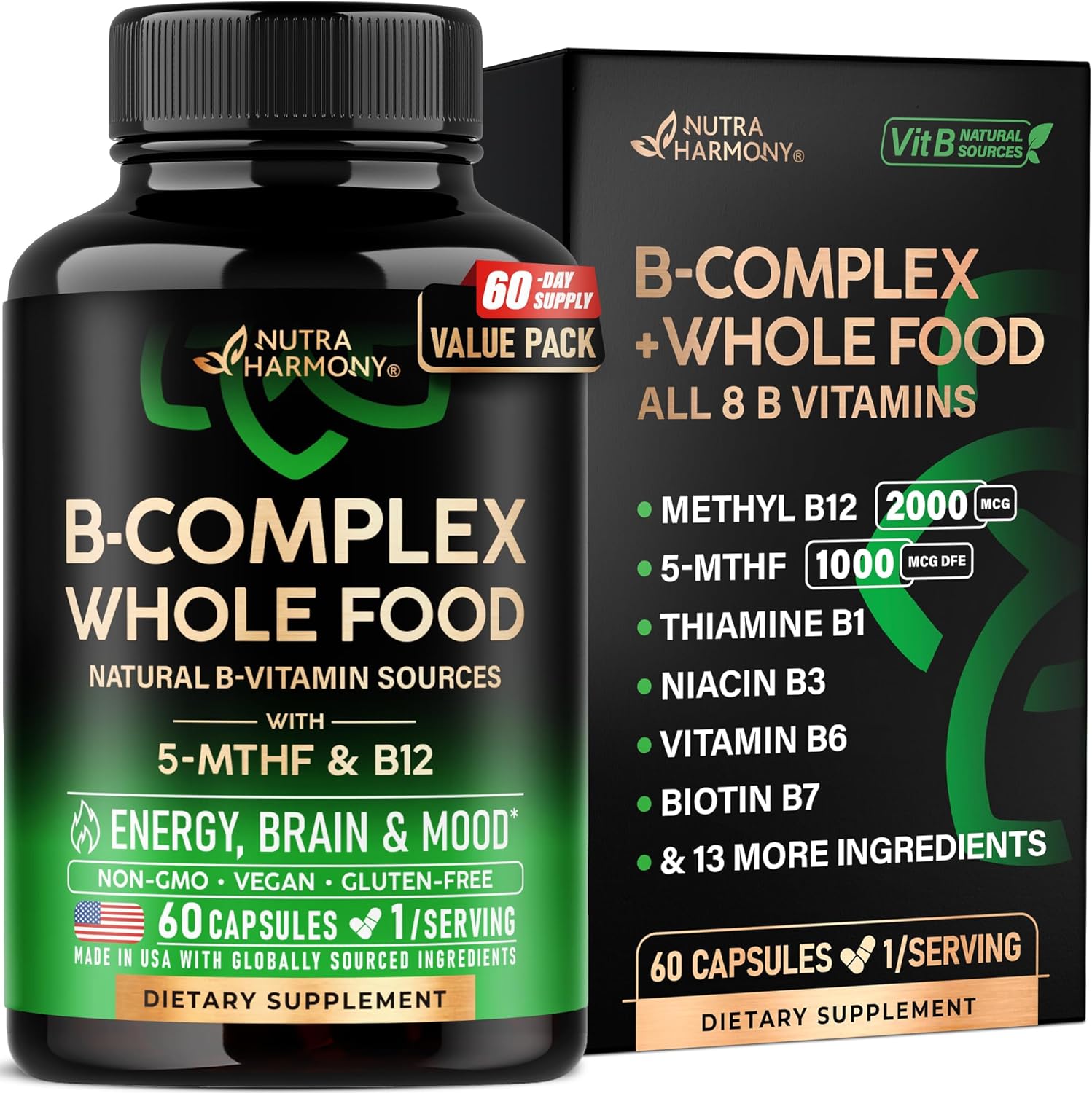
Vitamin B Complex - B1 | B2 | B3 | B5 | B6 | Biotin | B12
Vitamins — check price on Amazon.
Vitamin B Complex - B1 | B2 | B3 | B5 | B6 |…
Check price on AmazonTaking Lauric Acid and Monolaurin together leverages their close chemical relationship, where lauric acid serves as the precursor that the body converts into monolaurin, amplifying antimicrobial effects against bacteria, viruses, and fungi for stronger immune support without absorption conflicts or adverse interactions, suggesting a rating of 4 out of 5.
The Combined Strategy
Pairing Lauric Acid with Monolaurin creates a powerful dual-action immune defense system tailored for everyday wellness. Lauric Acid provides a steady supply that your body gradually converts into active monolaurin, ensuring prolonged antimicrobial activity throughout the day. Meanwhile, Monolaurin delivers immediate disruption to pathogen membranes, tackling acute threats head-on. This combination covers both short-term protection and sustained support, making it ideal for routines focused on gut health and infection resistance.
Body Compatibility
Your digestive system processes these two smoothly without overlap issues. Lauric Acid, a medium-chain fatty acid, gets quickly absorbed in the small intestine and sent to the liver for energy or conversion into monolaurin by enzymes and gut bacteria. Monolaurin follows a similar path but enters the bloodstream directly as the pre-formed monoglyceride, bypassing some conversion steps. Their shared fatty acid nature means they use the same efficient metabolic lanes, preventing any digestive bottlenecks or competition for absorption.
How They Interact
Lauric Acid and Monolaurin complement each other through related yet distinct mechanisms in pathogen control. Lauric Acid weakens microbial cell walls by integrating into lipid layers and gets transformed into monolaurin for enhanced activity. Monolaurin directly penetrates and disintegrates envelopes of enveloped viruses and gram-positive bacteria. Since monolaurin is the downstream product of lauric acid, they reinforce rather than compete, allowing simultaneous action for broader spectrum efficacy.
Disclaimer: Some links on this site are affiliate links. As an Amazon Associate, qualifying purchases may earn us a commission. This content is for informational purposes only and is not medical advice.