Combination guide
Can you take Prebiotic Inulin and Lactobaciullus rhamnosus together?
Clear guide to benefits, risks, and synergy when combining Prebiotic Inulin and Lactobaciullus rhamnosus.
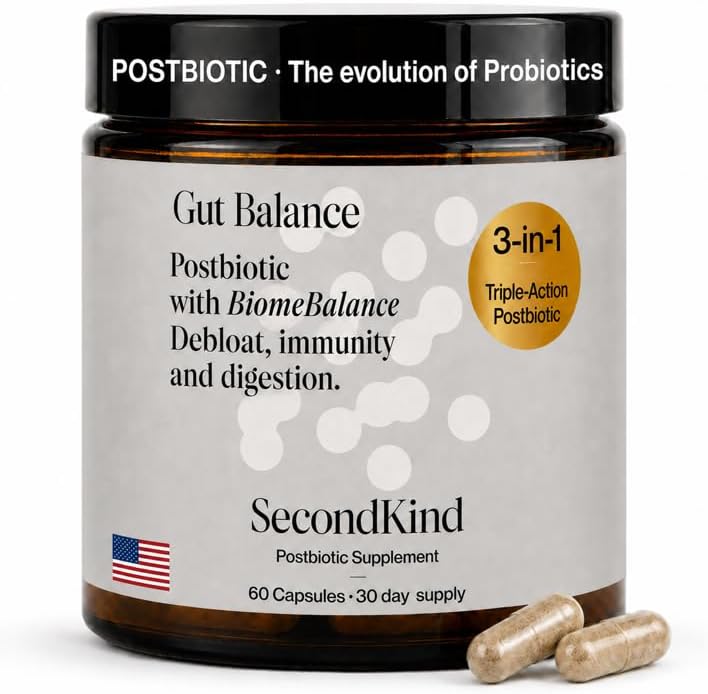
SecondKind Postbiotics Gut Balance 60ct
Postbiotics for gut balance — check price on Amazon.
SecondKind Postbiotics Gut Balance 60ct
Check price on AmazonTaking Lactobacillus rhamnosus and Prebiotic Inulin together forms a potent synbiotic combination where the prebiotic fiber directly nourishes the probiotic bacteria, improving its survival through the digestive tract, enhancing colonization in the gut, and amplifying benefits like better digestion and immune support. This chemical and biological synergy is backed by studies showing inulin selectively boosts Lactobacillus growth and activity, far outperforming either alone, suggesting a rating of 5 out of 5.
The Combined Strategy
Pairing Lactobacillus rhamnosus with Prebiotic Inulin offers a smart, dual-action approach to gut health that covers both immediate and sustained needs. The probiotic supplies live bacteria to crowd out harmful pathogens and support daily digestion, while inulin acts as targeted fuel to help these bacteria thrive and multiply. Together, they build a stronger, more resilient microbiome, turning a simple supplement routine into a comprehensive wellness strategy for better immunity and regularity.
Body Compatibility
Lactobacillus rhamnosus is a hardy bacterium that survives stomach acid to reach the intestines, where it sets up shop in the gut lining. Prebiotic Inulin, a non-digestible fiber, passes through the upper digestive tract untouched and ferments only in the colon. Their journeys converge safely in the lower gut without absorption conflicts, as inulin fuels fermentation rather than competing for nutrients, allowing your body to process them harmoniously without digestive strain or overload.
How They Interact
Lactobacillus rhamnosus works by adhering to gut cells, producing lactic acid to inhibit pathogens, and modulating immune responses. Prebiotic Inulin provides fermentable fibers that this specific probiotic loves, generating short-chain fatty acids which further protect the gut barrier and enhance bacterial adhesion. Their mechanisms complement perfectly, with inulin boosting the probiotic's numbers and potency without overlap or interference, creating a true symbiotic boost in efficacy.
Disclaimer: Some links on this site are affiliate links. As an Amazon Associate, qualifying purchases may earn us a commission. This content is for informational purposes only and is not medical advice.