Combination guide
Can you take Inulin and Lactobaciullus rhamnosus together?
Clear guide to benefits, risks, and synergy when combining Inulin and Lactobaciullus rhamnosus.
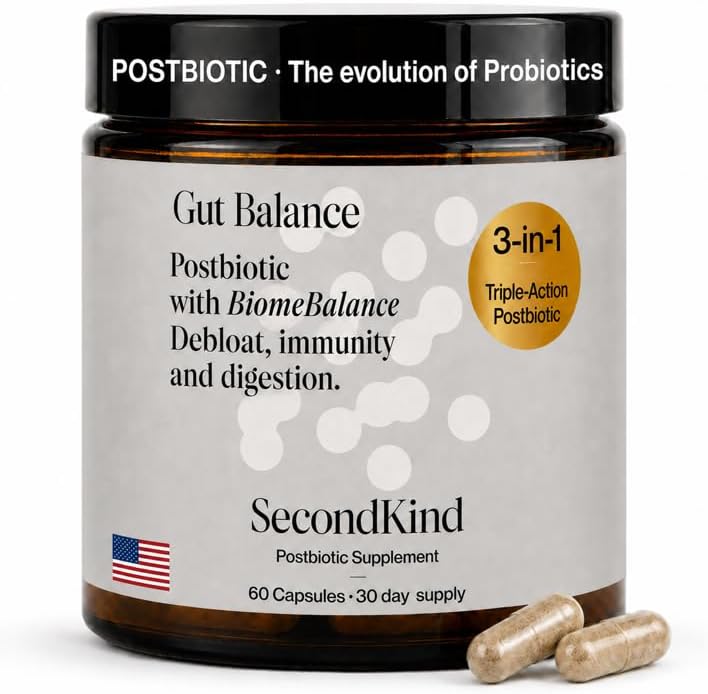
SecondKind Postbiotics Gut Balance 60ct
Postbiotics for gut balance — check price on Amazon.
SecondKind Postbiotics Gut Balance 60ct
Check price on AmazonTaking Inulin and Lactobacillus rhamnosus together forms a classic synbiotic powerhouse, where the prebiotic fiber inulin acts as fuel to supercharge the probiotic bacteria's growth, survival, and activity in the gut. This duo dramatically improves microbiome balance, digestion, and immune support beyond what either provides alone, with studies showing enhanced bacterial colonization and short-chain fatty acid production, suggesting a rating of 5 out of 5.
The Combined Strategy
Pairing Inulin with Lactobacillus rhamnosus delivers a dual-action gut health upgrade that addresses both the quantity and quality of your intestinal bacteria. Inulin, as a prebiotic, supplies essential nourishment to fuel bacterial growth, while Lactobacillus rhamnosus directly replenishes your supply of these beneficial microbes. Together, they create a thriving ecosystem in your gut, tackling issues like irregular digestion and weak immunity from multiple angles for sustained wellness.
Body Compatibility
Inulin travels undigested through your stomach and small intestine, arriving intact in the colon for bacterial fermentation. Lactobacillus rhamnosus, with its tough outer layer, withstands stomach acid and bile to reach the same colon area alive. Their paths converge harmlessly in the large intestine, using distinct processes—fiber breakdown versus bacterial adhesion—so your body handles them without digestive overload or absorption clashes.
How They Interact
Inulin provides fermentable sugars that Lactobacillus rhamnosus preferentially consumes, producing health-boosting short-chain fatty acids like butyrate. This selective feeding enhances the probiotic's ability to stick to gut walls and multiply. Unlike overlapping mechanisms that could compete, their synergy amplifies effects: inulin energizes the bacteria, while Lactobacillus rhamnosus crowds out harmful pathogens and bolsters the gut barrier.
Disclaimer: Some links on this site are affiliate links. As an Amazon Associate, qualifying purchases may earn us a commission. This content is for informational purposes only and is not medical advice.