Combination guide
Can you take Inulin and Lactobacillus together?
Clear guide to benefits, risks, and synergy when combining Inulin and Lactobacillus.
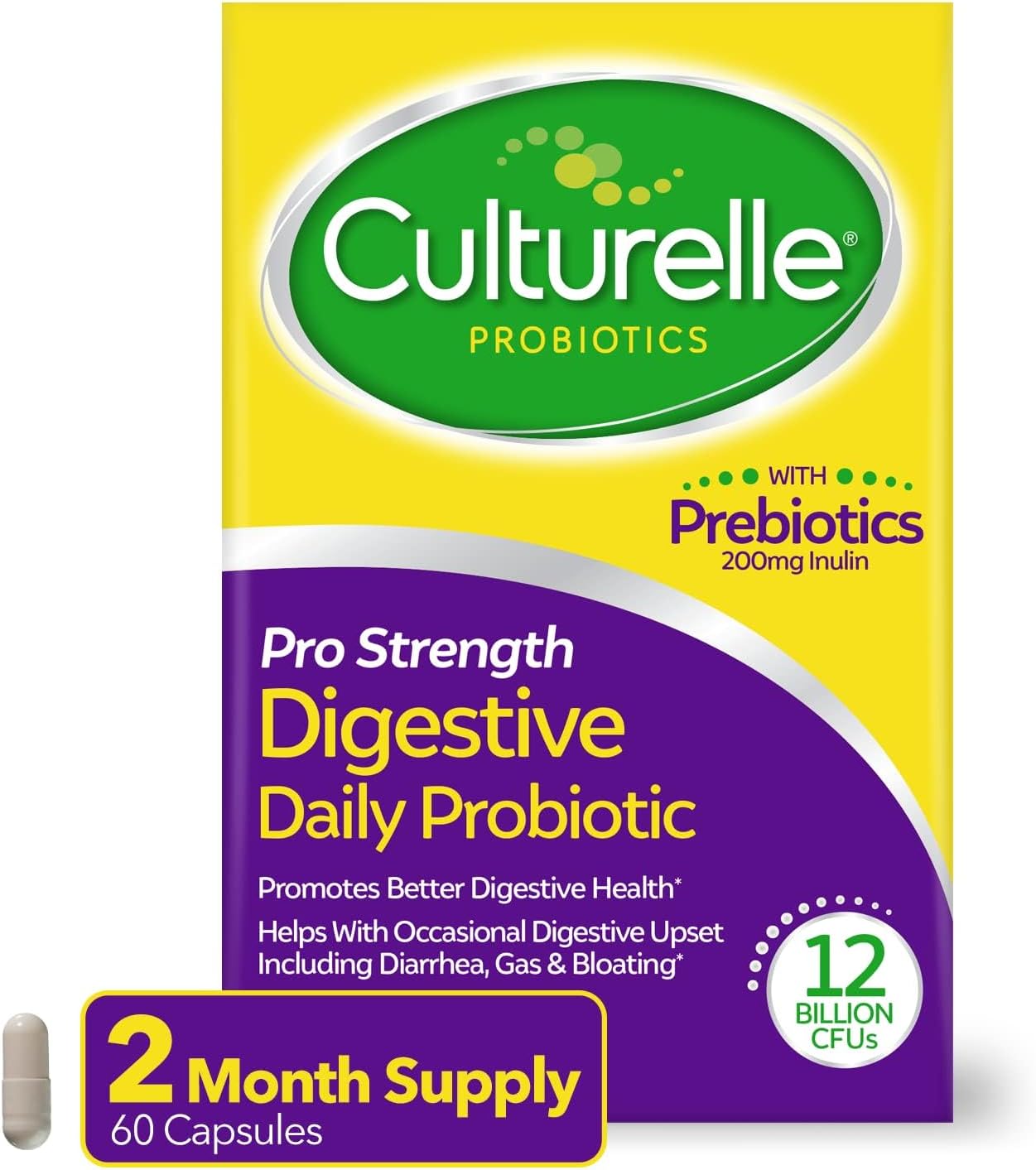
Culturelle Pro Strength Probiotics for Digestive Gut Health*, 12B CFU, 60ct | Daily Prebiotic Probiotic for Women & Men, Synbiotic, Lactobacillus Rhamnosus GG, No Refrigeration Needed, 2 Month Supply
Lactobacillus rhamnosus — check price on Amazon.
Culturelle Pro Strength Probiotics for Digest…
Check price on AmazonTaking Inulin and Lactobacillus together forms a synbiotic powerhouse, where the prebiotic fiber directly feeds the probiotic bacteria, enhancing their survival, growth, and activity in the gut. This leads to superior improvements in digestion, microbiota diversity, immune support, and short-chain fatty acid production compared to either alone. The scientific backing for this complementary action is strong, suggesting a rating of 5 out of 5.
The Combined Strategy
Pairing Inulin with Lactobacillus offers a smart, two-part plan for gut health that tackles both population and nourishment. Inulin serves as a selective food source that beneficial bacteria like Lactobacillus prefer, helping them outcompete harmful ones and establish a lasting presence. This creates a self-sustaining ecosystem in your intestines, promoting smoother digestion, fewer tummy troubles, and better nutrient uptake for everyday vitality.
Body Compatibility
Your digestive system handles Inulin and Lactobacillus smoothly because they travel similar yet non-competitive routes. Inulin resists breakdown in the stomach and small intestine, arriving whole in the colon for fermentation. Lactobacillus, encased in supplements, survives the acidic journey to the same spot, where it activates without clashing pathways or overloading enzymes. This alignment ensures safe, efficient processing with no metabolic bottlenecks.
How They Interact
Inulin and Lactobacillus connect through a feed-and-grow dynamic in the colon. The fiber gives Lactobacillus the exact sugars it needs to ferment into helpful short-chain fatty acids, which nourish gut cells and curb inflammation. Unlike rivals that might compete for space, this partnership amplifies each other's strengths, boosting bacterial adhesion and resilience against digestive stresses.
Disclaimer: Some links on this site are affiliate links. As an Amazon Associate, qualifying purchases may earn us a commission. This content is for informational purposes only and is not medical advice.