
Combination guide
Can you take Microcrystalline Hydroxyapatite Concentrate (MCHC) and Horsetail Silica together?
Clear guide to benefits, risks, and synergy when combining Microcrystalline Hydroxyapatite Concentrate (MCHC) and Horsetail Silica.
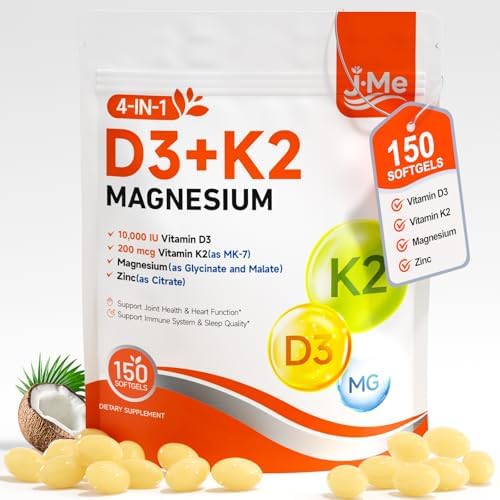
Vitamin D3 + K2 MK-7 with Magnesium — Bone & Immunity
High-potency D3 paired with K2 and magnesium for absorption you can feel.
Vitamin D3 + K2 MK-7 with Magnesium — Bone &…
Check price on AmazonTaking Horsetail Silica and Microcrystalline Hydroxyapatite Concentrate (MCHC) together creates a powerful dual-action strategy for bone and connective tissue health. Horsetail Silica delivers bioavailable organic silica to support collagen formation and tissue elasticity, while MCHC provides a complete bone matrix with calcium, phosphorus, collagen, and trace minerals for mineralization and density. These complementary mechanisms enhance overall skeletal strength without absorption conflicts or interference, suggesting a rating of 4 out of 5.
The Combined Strategy
By combining Horsetail Silica and MCHC, you build a multi-layered defense for skeletal wellness that tackles both flexibility and rigidity. Horsetail Silica fortifies the organic collagen framework essential for bone resilience and joint lubrication, preventing brittleness. MCHC then fills this matrix with hydroxyapatite crystals and supporting nutrients, mimicking the natural composition of healthy bone. This partnership covers immediate tissue repair and long-term density maintenance, ideal for active lifestyles or aging support.
Body Compatibility
Horsetail Silica breaks down quickly in the stomach and small intestine, releasing water-soluble silica that enters the bloodstream for delivery to connective tissues and bones. MCHC, derived from bone, dissolves gradually in the acidic gut environment, allowing controlled release of calcium, phosphorus, and proteins into the blood. Their distinct absorption timelines and carriers—silica via simple diffusion, minerals via active transport—prevent competition at intestinal sites. This separation ensures efficient uptake without metabolic overload or digestive strain.
How They Interact
Horsetail Silica primarily boosts silica-dependent enzymes for collagen cross-linking and glycosaminoglycan production, enhancing the bone's flexible scaffolding. MCHC, in contrast, fuels osteoblasts with ions and growth factors to deposit hydroxyapatite crystals for hardness. These pathways operate in tandem during bone remodeling: silica preps the matrix, then MCHC mineralizes it. Without overlapping receptors or cofactors, they amplify each other's roles seamlessly, promoting superior bone integrity.
Disclaimer: Some links on this site are affiliate links. As an Amazon Associate, qualifying purchases may earn us a commission. This content is for informational purposes only and is not medical advice.