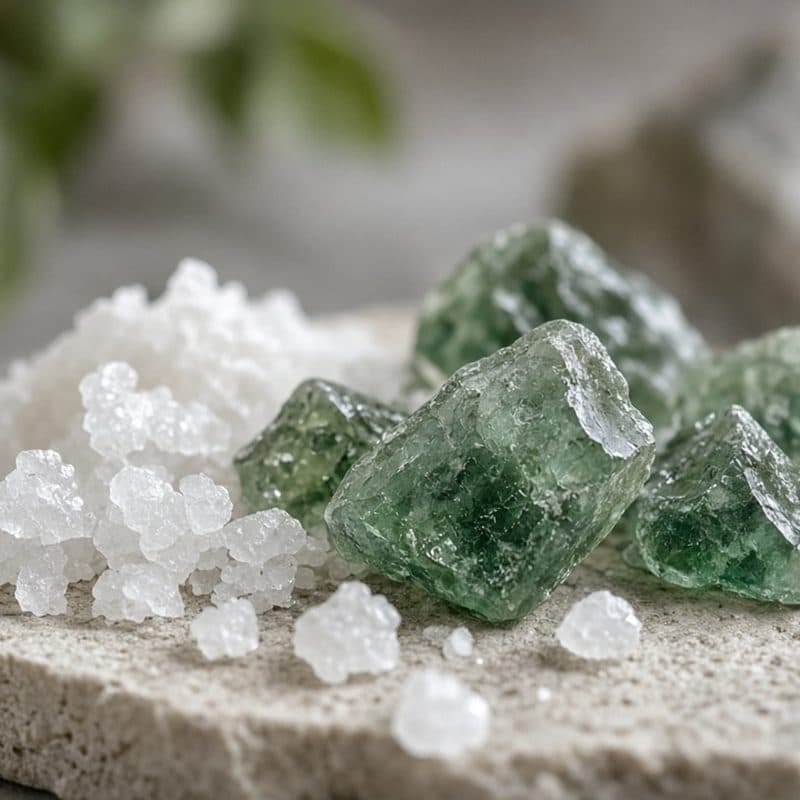
Combination guide
Can you take Magnesium and Glycine together?
Clear guide to benefits, risks, and synergy when combining Magnesium and Glycine.

Magnesium Glycinate — Relaxation, Sleep & Recovery
Muscle relaxation — check price on Amazon.
Magnesium Glycinate — Relaxation, Sleep & Rec…
Check price on AmazonTaking Glycine and Magnesium together unlocks super-synergy, especially in forms like magnesium glycinate where Glycine chemically binds to Magnesium, boosting its absorption by up to 80% compared to other forms. This duo calms the nervous system, improves sleep depth, relaxes muscles, and supports neurotransmitter balance without any competition or issues. Their proven chemical teamwork enhances bioavailability and effects, suggesting a rating of 5 out of 5.
The Combined Strategy
Pairing Glycine and Magnesium creates a dual-action powerhouse for daily wellness, targeting both brain calm and muscle recovery in one go. Glycine quiets racing thoughts and lowers core body temperature for faster sleep onset, while Magnesium eases tension in muscles and nerves for sustained relaxation. This combo fits perfectly into evening routines, covering short-term stress relief and long-term resilience against fatigue, making your body feel balanced and restored.
Body Compatibility
Your gut absorbs Glycine rapidly as a simple amino acid through dedicated transporters in the small intestine, sending it straight to the liver and brain. Magnesium travels alongside, but when chelated with Glycine, it skips common absorption roadblocks, entering the bloodstream with higher efficiency and less waste. These separate yet supportive pathways mean no digestive clashes—your body handles them smoothly, distributing both to cells without overload or competition.
How They Interact
Glycine works as an inhibitory neurotransmitter, dialing down brain excitability via glycine receptors and aiding serotonin conversion for mood stability. Magnesium powers enzymatic reactions that activate GABA, the main calming chemical, and blocks excess glutamate for nerve protection. Their magic happens in chelation: Glycine ferries Magnesium past gut barriers, amplifying its role in relaxation—mechanisms that dovetail perfectly for deeper synergy without overlap or conflict.
Disclaimer: Some links on this site are affiliate links. As an Amazon Associate, qualifying purchases may earn us a commission. This content is for informational purposes only and is not medical advice.