Combination guide
Can you take Lactobacillus and Fiber together?
Clear guide to benefits, risks, and synergy when combining Lactobacillus and Fiber.
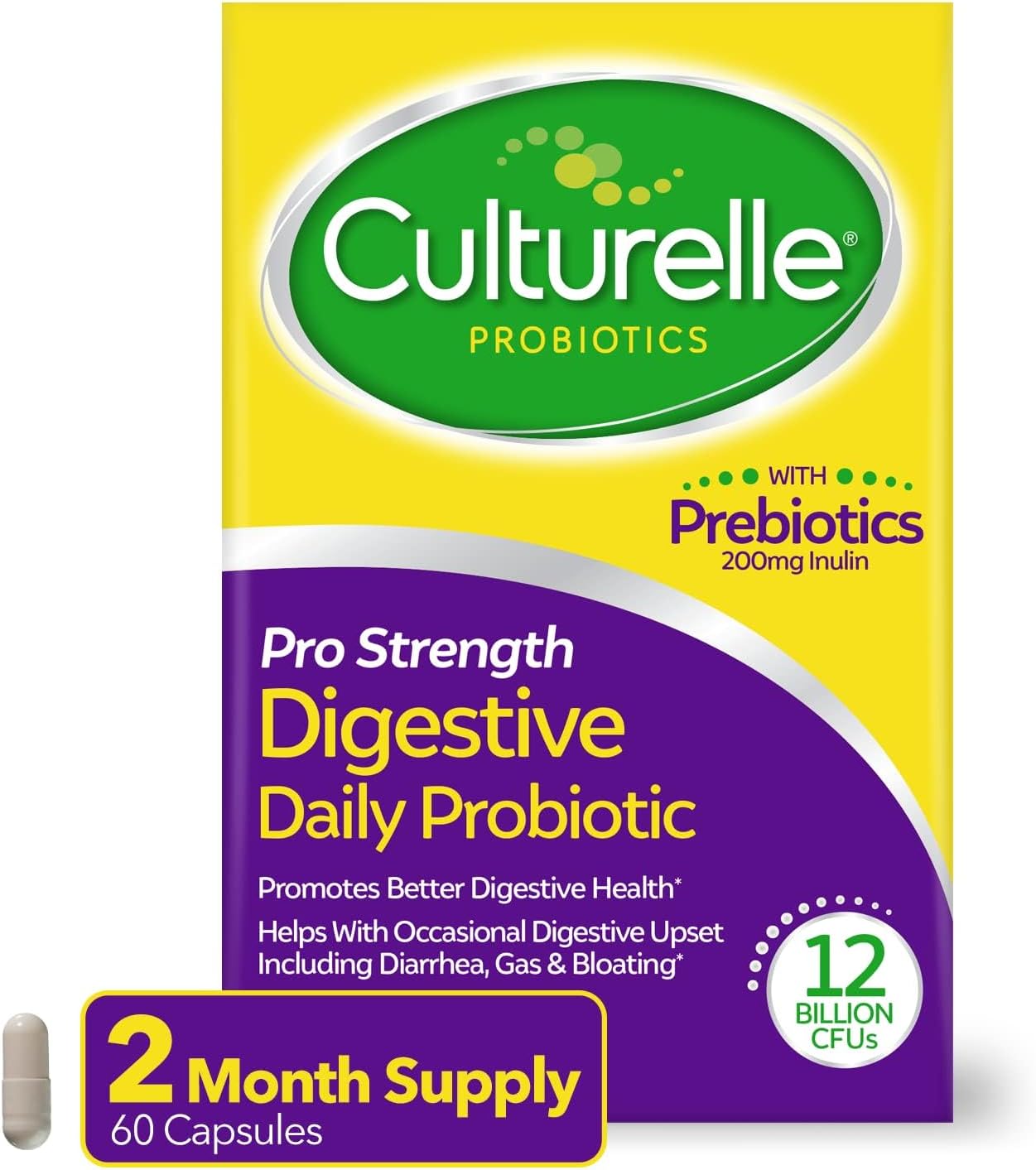
Culturelle Pro Strength Probiotics for Digestive Gut Health*, 12B CFU, 60ct | Daily Prebiotic Probiotic for Women & Men, Synbiotic, Lactobacillus Rhamnosus GG, No Refrigeration Needed, 2 Month Supply
Lactobacillus rhamnosus — check price on Amazon.
Culturelle Pro Strength Probiotics for Digest…
Check price on AmazonTaking Fiber and Lactobacillus together forms a synbiotic powerhouse, where fermentable fibers serve as food for the Lactobacillus bacteria, enhancing their survival through the harsh stomach acid, promoting better colonization in the colon, and amplifying production of beneficial short-chain fatty acids that support gut barrier integrity, reduce inflammation, and improve overall digestion. Research consistently shows this duo outperforms either supplement alone for microbiome diversity and bowel regularity, suggesting a rating of 5 out of 5.
The Combined Strategy
By combining Fiber and Lactobacillus, you create a comprehensive gut health strategy that tackles both structural and microbial aspects of digestion. Fiber sweeps through the intestines, adding bulk to stool for smoother movements and feeding beneficial bacteria as a prebiotic. Meanwhile, Lactobacillus actively populates the gut, crowding out harmful pathogens and producing acids that maintain a balanced pH. This dual action addresses immediate regularity needs while fostering long-term microbiome resilience, making daily wellness routines more effective and sustainable.
Body Compatibility
The body processes Fiber and Lactobacillus through distinct pathways that complement rather than compete. Fiber remains largely undigested, reaching the colon intact where it absorbs water and ferments slowly without entering the bloodstream. Lactobacillus, as live bacteria, withstands gastric juices and settles in the intestines, using the fiber as fuel to thrive. These separate journeys—Fiber's physical bulking in the gut lumen and Lactobacillus's microbial colonization—avoid any metabolic overlap or absorption conflicts, ensuring both perform optimally without interference.
How They Interact
Fiber and Lactobacillus interact synergistically at the microbial level, with fiber acting as a selective nutrient that fuels Lactobacillus growth. Lactobacillus ferments soluble fibers like inulin or psyllium into short-chain fatty acids, which nourish colon cells and strengthen the gut lining. This mutual support enhances Lactobacillus viability and efficacy, as studies show prebiotic fibers increase probiotic adhesion to gut walls. Their mechanisms align perfectly, with no antagonism, allowing simultaneous action for superior gut ecosystem health.
Disclaimer: Some links on this site are affiliate links. As an Amazon Associate, qualifying purchases may earn us a commission. This content is for informational purposes only and is not medical advice.