Combination guide
Can you take Fenugreek and Guggul together?
Clear guide to benefits, risks, and synergy when combining Fenugreek and Guggul.
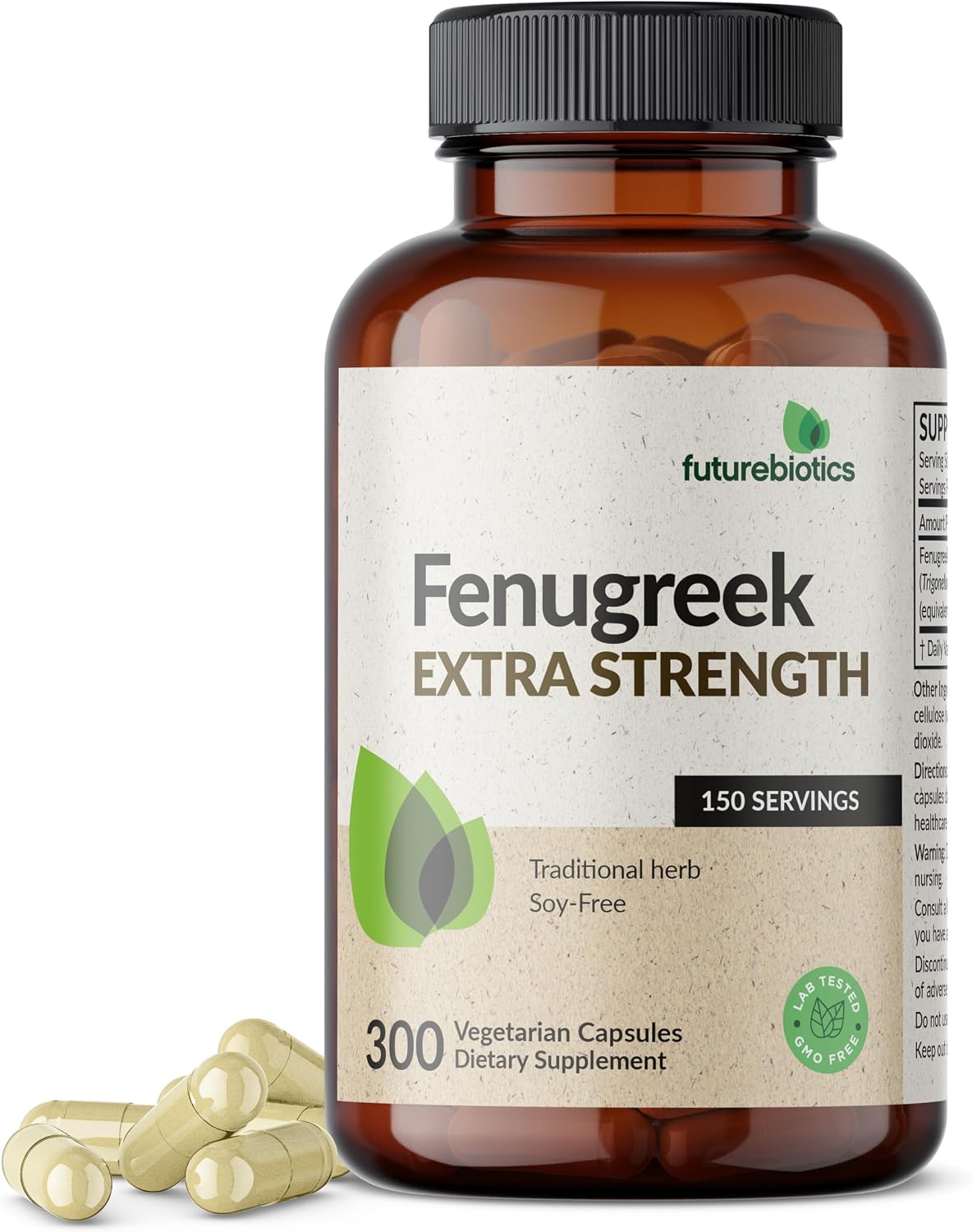
Futurebiotics Fenugreek Extra Strength, 300 Vegetarian Capsules | 10:1 Fenugreek Seed Extract, Supports Overall Health & Well-Being, Vegan, Non-GMO & Soy-Free
Fenugreek — check price on Amazon.
Futurebiotics Fenugreek Extra Strength, 300 V…
Check price on AmazonTaking Fenugreek and Guggul together provides a complementary boost to metabolic health by addressing blood sugar regulation from Fenugreek alongside Guggul's support for cholesterol and thyroid function. Their distinct yet aligned actions enhance overall fat metabolism and energy balance without interference. This high compatibility and shared wellness goals make them an effective pair, suggesting a rating of 4 out of 5.
The Combined Strategy
Combining Fenugreek and Guggul creates a comprehensive strategy for metabolic wellness that tackles multiple angles of weight management and vitality. Fenugreek steps in to stabilize blood sugar and curb appetite through its fiber-rich profile, preventing energy crashes and overeating. Guggul complements this by optimizing lipid levels and thyroid activity, promoting efficient fat burning and sustained metabolism. Together, they form a dual-action routine that supports long-term lifestyle changes for better body composition and hormonal balance.
Body Compatibility
Fenugreek begins its journey in the digestive system, where its mucilage and fibers form a gel-like substance that slows nutrient absorption and nourishes the gut lining. Guggul, conversely, dissolves in the intestines and enters the bloodstream, heading to the liver and thyroid glands for lipid modulation. These separate processing routes—gut-focused for Fenugreek and systemic for Guggul—prevent any overlap in absorption or enzymatic demands. This division ensures the body handles both smoothly, avoiding digestive overload or metabolic bottlenecks.
How They Interact
Fenugreek primarily influences glucose metabolism by boosting insulin sensitivity and slowing carb breakdown via its galactomannan fibers and 4-hydroxyisoleucine compound. Guggul operates through guggulsterones that activate thyroid receptors and block cholesterol synthesis in the liver. With Fenugreek focusing on peripheral insulin pathways and Guggul on hepatic and endocrine functions, their mechanisms run parallel without competition. This non-overlapping action allows them to amplify metabolic harmony rather than disrupt it.
Disclaimer: Some links on this site are affiliate links. As an Amazon Associate, qualifying purchases may earn us a commission. This content is for informational purposes only and is not medical advice.