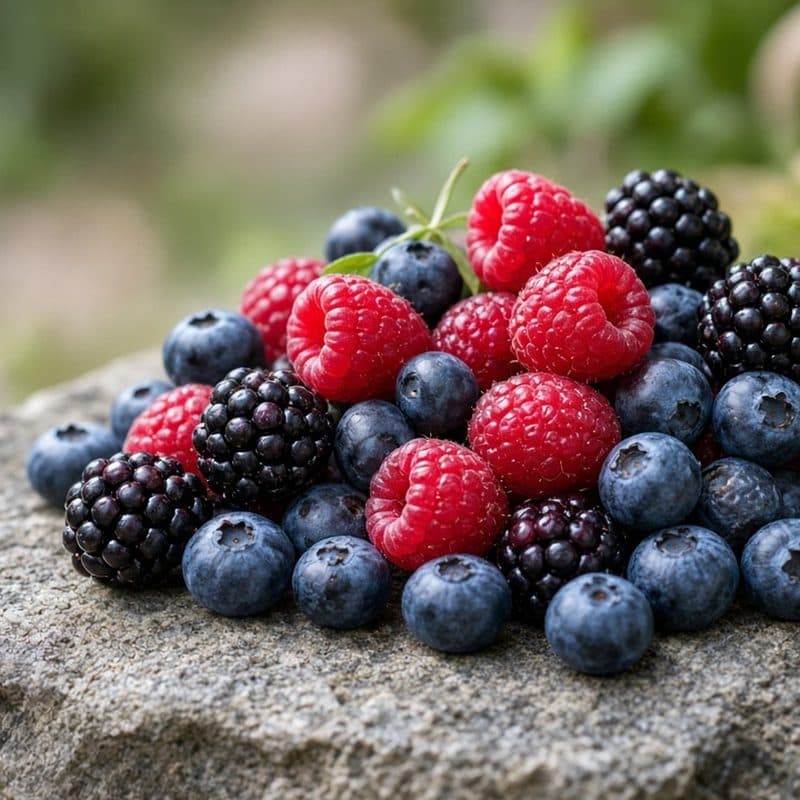
How this antioxidant-rich berry supports eye health and visual function
Vision improvement is a common health goal, whether addressing age-related changes, digital eye strain, or general eye wellness. While comprehensive eye care includes regular check-ups and lifestyle habits, certain natural compounds show promising benefits. Among these, bilberry stands out for its targeted support of visual function.
Why Bilberry Matters for Your Eyes
Bilberry (Vaccinium myrtillus), a European relative of the blueberry, contains powerful compounds called anthocyanins—the pigments giving the berry its deep purple color. These anthocyanins operate through several key mechanisms:
- Antioxidant Protection: They neutralize free radicals in retinal tissues, shielding delicate cells from oxidative stress caused by UV light and screen exposure.
- Enhanced Blood Flow: Anthocyanins improve microcirculation in the eyes, ensuring optimal oxygen and nutrient delivery to the retina.
- Rhodopsin Support: They aid the regeneration of rhodopsin (a light-sensitive pigment in rods), which sharpens low-light vision and adaptation to darkness.
- Anti-Inflammatory Action: Bilberry reduces inflammation in ocular tissues, potentially easing eye fatigue and dryness.
These actions translate to tangible benefits: reduced night blindness, less digital eye strain, better contrast sensitivity, and overall retinal protection. Many users report clearer vision and reduced "afterimage" effects following bright light exposure.
Using Bilberry Safely
Bilberry is typically consumed as:
- Standardized extracts (often 25-36% anthocyanins)
- Freeze-dried whole berries or powder
- Capsules or tablets (common dose: 80–120 mg twice daily)
Important precautions:
- Consult your doctor before use if you take blood thinners (warfarin, aspirin) or diabetes medications, as bilberry may enhance their effects.
- Discontinue use 2 weeks before scheduled surgery due to potential bleeding risk.
- Pregnant or breastfeeding individuals should avoid therapeutic doses due to limited safety data.
Mild side effects like digestive upset are rare. Opt for extracts standardized to anthocyanin content for consistent potency.
Synergistic Support
While bilberry is effective alone, it often works alongside other vision-supporting nutrients like lutein and zeaxanthin. These compounds concentrate in the macula (the retina's central zone), complementing bilberry’s circulation benefits with targeted blue-light filtration. No significant negative interactions exist between these compounds, making combined formulations a practical option for comprehensive eye support.