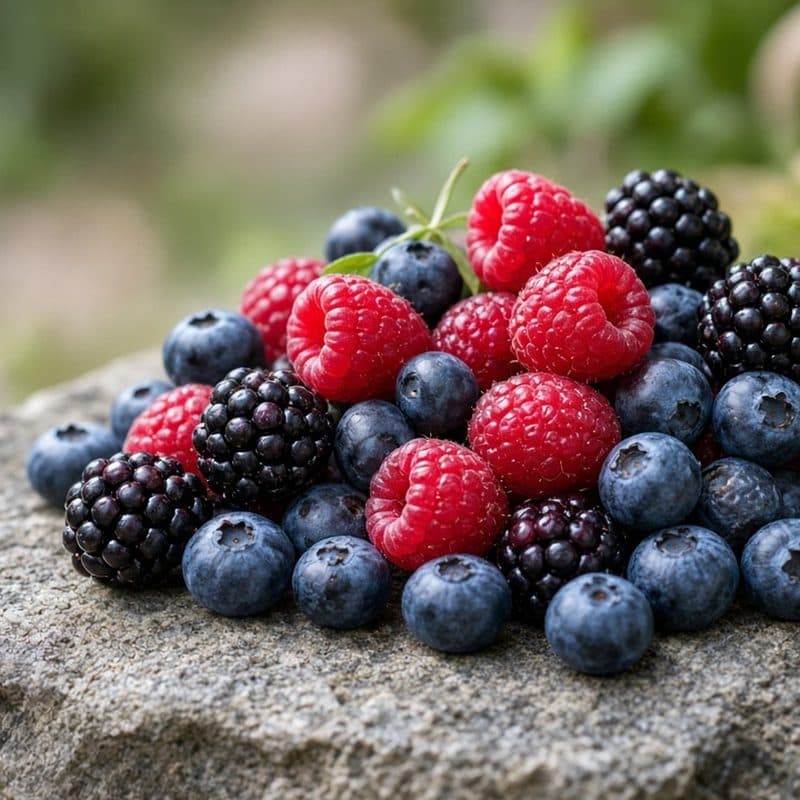
How this everyday superfood supports brain health and cognitive function at any age
Memory isn't just about recalling where you left your keys—it's the foundation of learning, decision-making, and personal identity. While genetics and lifestyle play crucial roles, emerging research reveals that certain natural compounds can actively support our brain's memory systems. Among nature's most promising cognitive allies? The humble blueberry.
Blueberries: Nature's Memory Tonic
These small berries pack a remarkable concentration of brain-boosting compounds, primarily:
- Anthocyanins – The pigments giving blueberries their deep color
- Flavonoids – Potent plant-based antioxidants
- Pterostilbene – A compound similar to resveratrol
How Blueberries Enhance Memory
Mechanism 1: Antioxidant Protection
Blueberries combat oxidative stress in the brain—a key factor in age-related memory decline. Their anthocyanins cross the blood-brain barrier to neutralize free radicals that damage neurons and impair communication between brain cells.
Mechanism 2: Reducing Inflammation
Chronic inflammation disrupts neural pathways essential for memory formation. Blueberries suppress inflammatory cytokines in brain tissue, creating a healthier environment for information processing and storage.
Mechanism 3: Enhancing Neuroplasticity
Compounds in blueberries stimulate brain-derived neurotrophic factor (BDNF)—a protein crucial for creating new neural connections. Higher BDNF levels correlate with improved learning capacity and memory retention.
Mechanism 4: Improving Blood Flow
Blueberries support vascular health, increasing blood flow to brain regions responsible for memory. Better circulation delivers more oxygen and nutrients while removing metabolic waste products.
Practical Ways to Incorporate Blueberries
- Eat 1/2 to 1 cup fresh or frozen blueberries daily
- Choose wild blueberries when possible—they contain higher antioxidant levels
- Pair with healthy fats (like walnuts or yogurt) to enhance nutrient absorption
- Opt for freeze-dried powder in smoothies during off-seasons
Important Considerations
Contraindications:
While generally safe, those taking blood-thinning medications (like warfarin) should consult their doctor—blueberries contain vitamin K which affects clotting. Rare berry allergies may also occur.
Synergy Tip:
Blueberries work exceptionally well with omega-3 fatty acids (found in fish and flaxseeds). Together, they reduce brain inflammation more effectively than either alone, creating a powerful memory-protective combination.
Important Note: While blueberries show promising cognitive benefits, they're not a substitute for medical treatment. Consult your healthcare provider before making dietary changes, especially if you have existing health conditions or take medications. This information represents general wellness guidance, not personalized medical advice.