
Combination guide
Can you take Vitamin C and Collagen Type 3 together?
Clear guide to benefits, risks, and synergy when combining Vitamin C and Collagen Type 3.
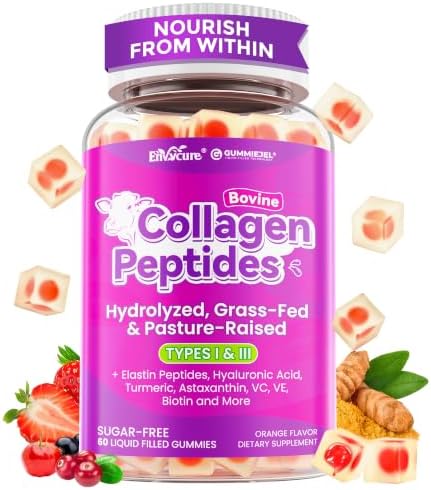
Collagen Peptides Gummies with Biotin & Glutathione
Peptides From Rice — check price on Amazon.
Collagen Peptides Gummies with Biotin & Gluta…
Check price on AmazonTaking Collagen Type 3 and Vitamin C together unlocks a powerful biochemical partnership, as Vitamin C acts as a vital cofactor in the enzymes that build and stabilize collagen fibers from the peptides provided by Type 3 collagen. This enhances skin firmness, joint flexibility, wound healing, and vascular health far beyond what either offers alone, with studies showing improved collagen deposition in tissues. The combo maximizes absorption and utilization without any downsides, suggesting a rating of 5 out of 5.
The Combined Strategy
Pairing Collagen Type 3 with Vitamin C forms a smart, dual-action wellness plan that targets tissue repair from multiple angles. Collagen Type 3 delivers essential amino acids like glycine and proline to rebuild skin, muscles, and organs, while Vitamin C supercharges the process by enabling the body to form strong, stable collagen strands. Together, they support long-term goals like smoother skin and resilient joints, creating a complete strategy for daily vitality that feels like giving your body the tools and the spark it needs.
Body Compatibility
Your digestive system handles Collagen Type 3 and Vitamin C smoothly without any clashes. Collagen peptides break down quickly in the stomach and small intestine into absorbable amino acids that enter the bloodstream for distribution to tissues. Vitamin C gets absorbed rapidly in the gut via specific transporters and circulates freely to cells, using separate pathways that avoid competition for uptake. This efficient journey ensures both reach their destinations fully intact, making the pair perfectly safe and bioavailable for everyday use.
How They Interact
Collagen Type 3 supplies the raw protein building blocks, while Vitamin C powers the enzymes that hydroxylate proline and lysine residues to create durable collagen structures. Without Vitamin C, these peptides can't form the triple-helix shape needed for strength in skin and connective tissues. Their mechanisms dovetail perfectly—collagen provides the materials, and Vitamin C directs the assembly—resulting in amplified repair and maintenance effects with no overlap or conflict.
Disclaimer: Some links on this site are affiliate links. As an Amazon Associate, qualifying purchases may earn us a commission. This content is for informational purposes only and is not medical advice.