
Combination guide
Can you take Vitamin B5 and Coenzyme B-Vitamins together?
Clear guide to benefits, risks, and synergy when combining Vitamin B5 and Coenzyme B-Vitamins.
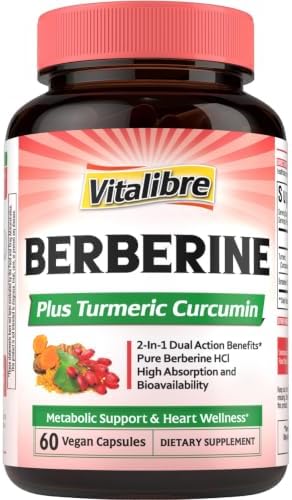
Turmeric Curcumin 95% with BioPerine — Joint Comfort
Bioperine — check price on Amazon.
Turmeric Curcumin 95% with BioPerine — Joint…
Check price on AmazonTaking Coenzyme B-Vitamins and Vitamin B5 together enhances overall metabolic efficiency, as the active coenzyme forms of B-vitamins like B2, B6, and B12 provide immediate cofactors for energy production and nerve health, while Vitamin B5 (pantothenic acid) forms Coenzyme A to support fatty acid metabolism and adrenal function in complementary pathways. This creates a high-synergy duo for sustained vitality without absorption conflicts or overload, suggesting a rating of 4 out of 5.
The Combined Strategy
By combining Coenzyme B-Vitamins and Vitamin B5, you build a comprehensive support system for daily energy demands and long-term resilience. Coenzyme B-Vitamins supply pre-activated forms that bypass conversion steps, fueling quick cellular energy and neurotransmitter activity right away. Meanwhile, Vitamin B5 steps in to produce Coenzyme A, essential for breaking down fats and carbs into usable fuel while bolstering stress hormone balance. This dual-action covers immediate performance needs alongside foundational metabolic health, perfect for busy routines or recovery from fatigue.
Body Compatibility
The body processes these supplements smoothly through distinct yet harmonious routes. Coenzyme B-Vitamins are absorbed in the upper small intestine via specific transporters for B12 and B6, entering the bloodstream rapidly for liver distribution. Vitamin B5 follows a separate passive diffusion path in the jejunum, converting to CoA intracellularly without competing for uptake sites. As water-soluble nutrients, any excess flushes out in urine, avoiding buildup and ensuring no metabolic bottlenecks or nutrient imbalances occur during simultaneous use.
How They Interact
Coenzyme B-Vitamins function as direct helpers in key reactions, like active B6 aiding amino acid metabolism and B12 supporting DNA synthesis and red blood cell formation. Vitamin B5, however, transforms into Coenzyme A to shuttle fatty acids into the mitochondria for oxidation. These roles dovetail in the energy production cycle—B-vitamins spark the reactions while B5 provides the carrier—without overlap or competition, allowing them to amplify each other's effectiveness in ATP generation and overall vitality.
Disclaimer: Some links on this site are affiliate links. As an Amazon Associate, qualifying purchases may earn us a commission. This content is for informational purposes only and is not medical advice.