Combination guide
Can you take Chlorella and Spirulina together?
Clear guide to benefits, risks, and synergy when combining Chlorella and Spirulina.
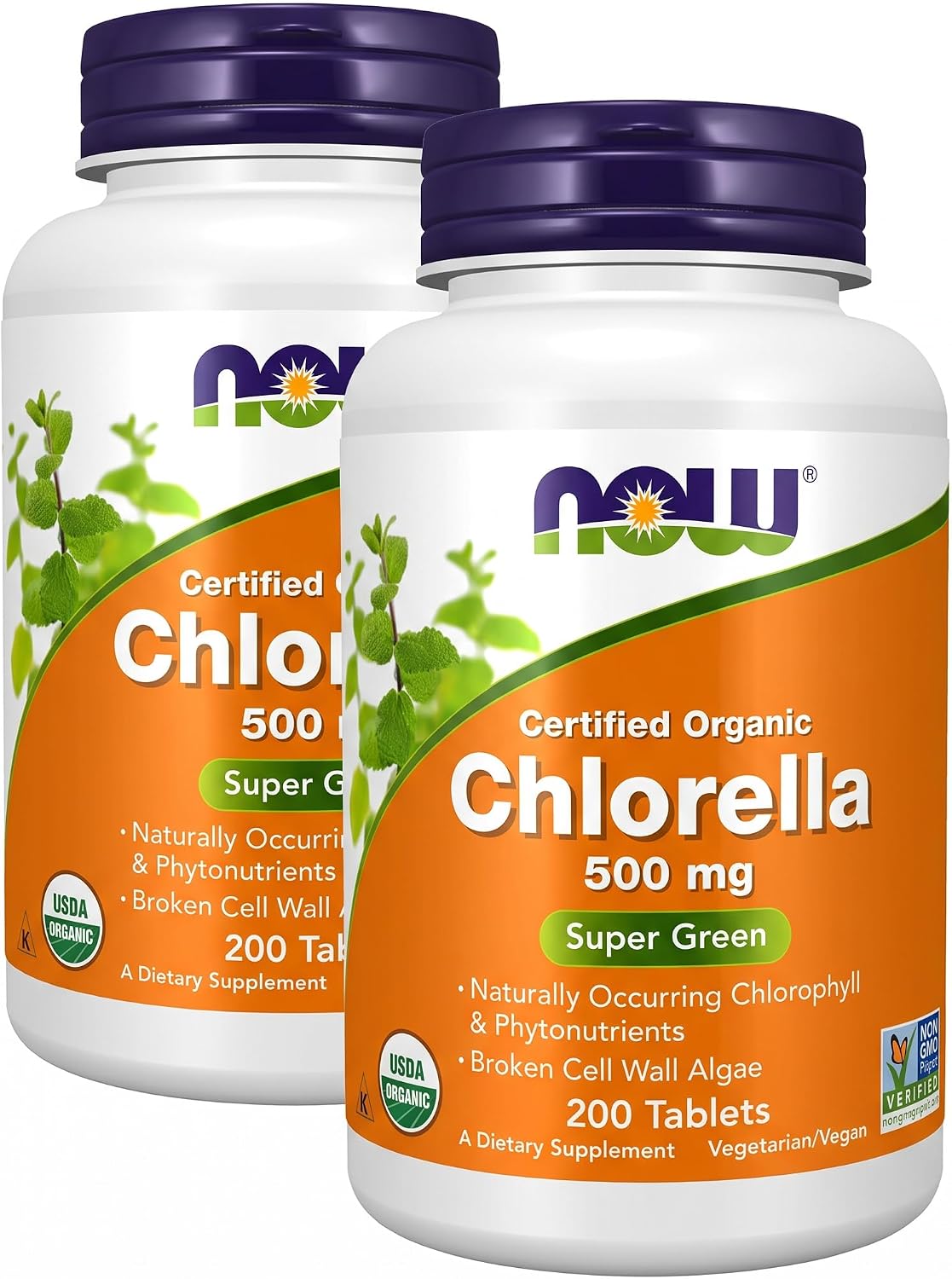
NOW Foods Supplements,Organic Chlorella 500 mg with Naturally Occurring Chlorophyll,Beta-Carotene,Mixed Carotenoids,Vitamin C,Iron and Protein,200 Tablets,(Pack of 2)
Chlorella — check price on Amazon.
NOW Foods Supplements,Organic Chlorella 500 m…
Check price on AmazonTaking Chlorella and Spirulina together forms a high-synergy superfood duo that amplifies nutritional density and detoxification. Chlorella's robust chlorophyll content binds heavy metals and toxins in the gut for elimination, while Spirulina's rich protein profile, phycocyanin, and B vitamins fuel energy production and immune function. Their complementary actions fill nutritional gaps without competing for absorption pathways, delivering enhanced vitality and recovery, suggesting a rating of 4 out of 5.
The Combined Strategy
By combining Chlorella and Spirulina, you build a multi-layered wellness routine that addresses both immediate toxin removal and long-term nutrient support. Chlorella sweeps the digestive tract clean of environmental pollutants and supports gut repair, creating a foundation for better absorption. Spirulina then steps in with complete proteins and antioxidants to rebuild energy stores and combat oxidative stress. This dual-action strategy turns daily supplementation into a holistic upgrade for sustained health and performance.
Body Compatibility
The body processes Chlorella and Spirulina through distinct yet harmonious pathways, starting with digestion in the stomach and small intestine. Chlorella's tough cell wall breaks down slowly, allowing its chlorophyll to linger in the gut and bind toxins before excretion, minimizing systemic load. Spirulina, with its softer structure, releases proteins and nutrients quickly into the bloodstream for rapid utilization by cells and muscles. These separate 'lanes' prevent metabolic overload, ensuring both are fully bioavailable without digestive competition or nutrient blocking.
How They Interact
Chlorella and Spirulina interact neutrally but complementarily at a biological level, with no overlapping mechanisms that could cause interference. Chlorella primarily acts as a chelator in the intestines, grabbing heavy metals via its chlorophyll and sporopollenin structure for safe removal. Spirulina, meanwhile, supports cellular energy through phycocyanin-driven antioxidant activity and amino acid delivery to enzymes. Their non-competitive roles allow simultaneous operation, where Chlorella clears space and Spirulina nourishes, enhancing overall efficacy without conflict.
Disclaimer: Some links on this site are affiliate links. As an Amazon Associate, qualifying purchases may earn us a commission. This content is for informational purposes only and is not medical advice.