Combination guide
Can you take Capric Acid and Monolaurin together?
Clear guide to benefits, risks, and synergy when combining Capric Acid and Monolaurin.
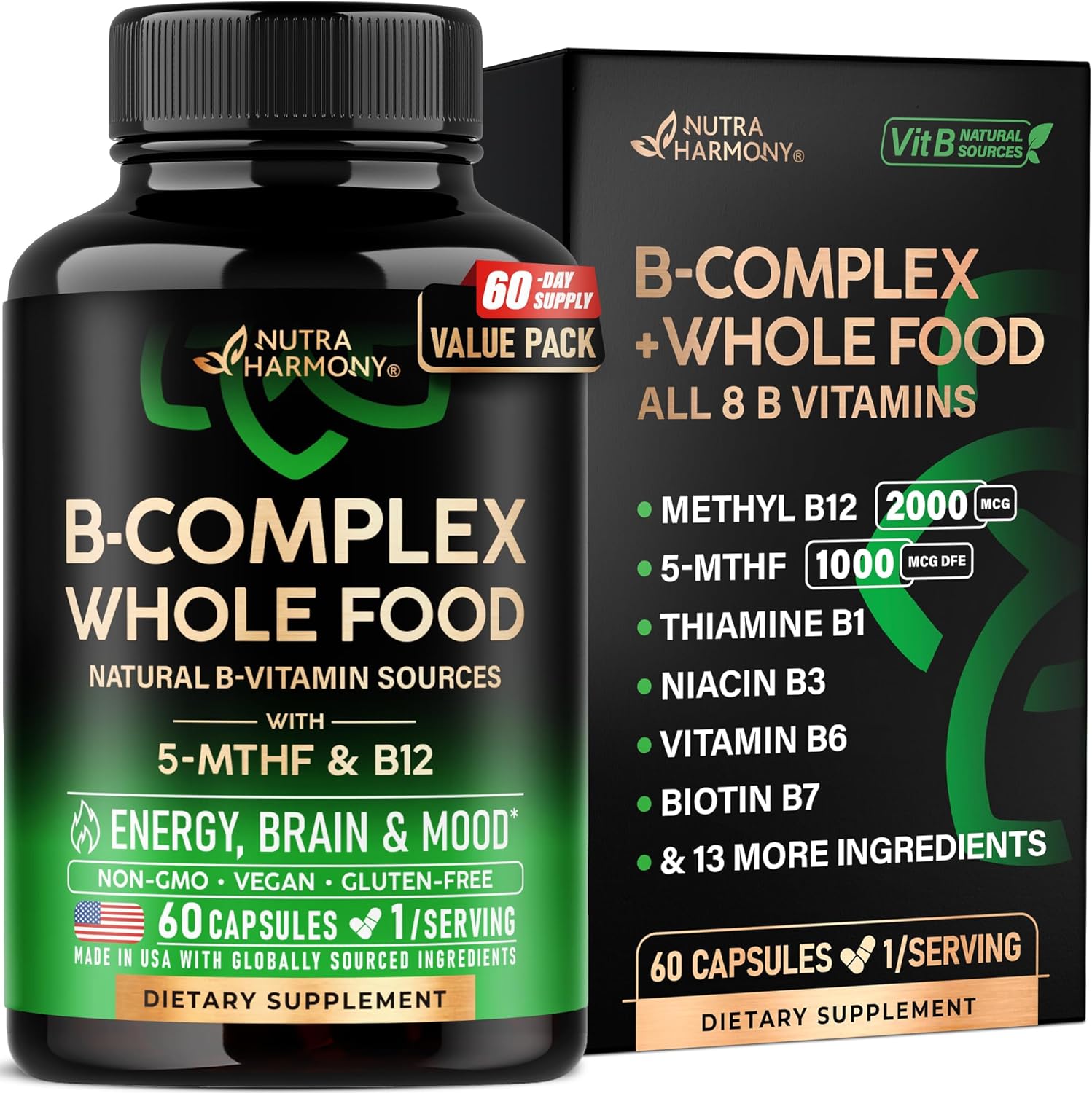
Vitamin B Complex - B1 | B2 | B3 | B5 | B6 | Biotin | B12
Vitamins — check price on Amazon.
Vitamin B Complex - B1 | B2 | B3 | B5 | B6 |…
Check price on AmazonTaking Capric Acid and Monolaurin together provides complementary antimicrobial powerhouses that target a wide range of pathogens through distinct membrane-disrupting mechanisms, enhancing gut health and immune support without absorption conflicts. Both medium-chain compounds digest quickly and efficiently, fueling energy while maintaining microbial balance. Their shared origins in coconut oil and non-overlapping actions amplify effectiveness, suggesting a rating of 4 out of 5.
The Combined Strategy
Combining Capric Acid and Monolaurin creates a dual-action strategy for robust microbial defense and sustained wellness. Capric Acid tackles fungal overgrowth like candida by destabilizing cell walls, while Monolaurin neutralizes viruses and tough bacteria. This partnership covers immediate pathogen threats and long-term gut integrity, forming a comprehensive routine that supports digestion, energy, and immunity without gaps.
Body Compatibility
Your digestive system processes Capric Acid and Monolaurin via the same efficient MCT pathway, absorbing them directly in the intestines without needing bile or pancreatic enzymes. They travel swiftly through the portal vein to the liver for ketone production and energy. Their similar metabolism avoids competition for transporters or enzymes, ensuring smooth handling even at higher doses with no buildup or overload.
How They Interact
Capric Acid integrates into microbial lipid membranes, increasing permeability and causing rapid cell lysis. Monolaurin mimics host lipids to dissolve pathogen envelopes from within. These non-competitive actions target invaders selectively, sparing human cells and beneficial bacteria, which allows them to amplify each other's killing power without interference or diminished efficacy.
Disclaimer: Some links on this site are affiliate links. As an Amazon Associate, qualifying purchases may earn us a commission. This content is for informational purposes only and is not medical advice.